What does 1 John 3:9 mean?
“Whosoever is born of God doth not commit sin; for his seed remaineth in him: and he cannot sin, because he is born of God.” — 1 John 3:9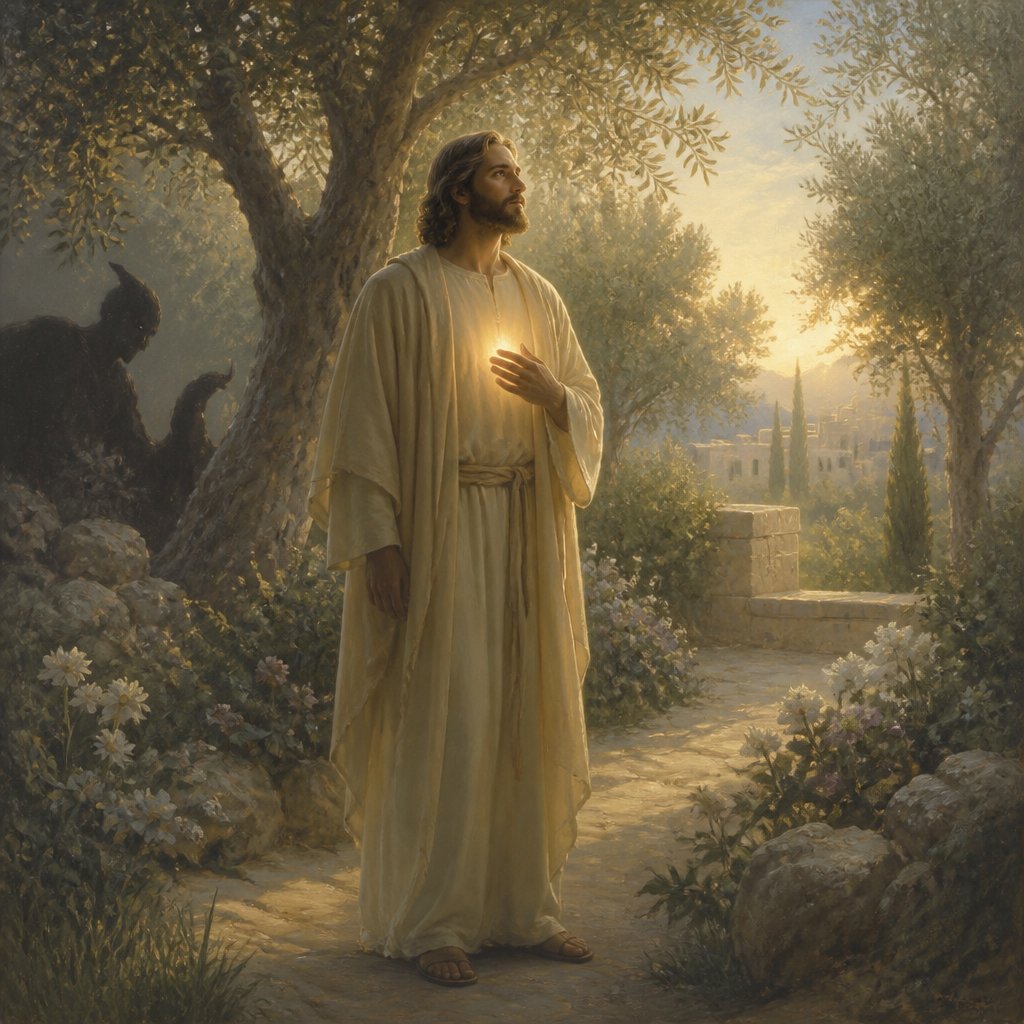
1 John 3:9 (KJV) "Whosoever is born of God doth not commit sin; for his seed remaineth in him: and he cannot sin, because he is born of God."
This verse from the first epistle of John, a book in the New Testament of the Bible, is a powerful declaration about the nature of those who are born again, or born of God. It speaks to the transformation that occurs in the life of a believer when they are born again through faith in Jesus Christ.
The verse begins with the statement "Whosoever is born of God doth not commit sin." This is a bold claim, and it is important to understand the context in which it is made. The apostle John is not saying that those who are born again will never sin or are incapable of sinning. Instead, he is emphasizing the new nature of the believer. The phrase "born of God" refers to being spiritually transformed through faith in Christ, and this new birth brings about a change in the believer's desires and behaviors.
The verse goes on to explain that the reason a person born of God does not commit sin is because "his seed remaineth in him." This seed is a reference to the Holy Spirit, who takes up residence in the heart of the believer at the moment of salvation. The presence of the Holy Spirit within the believer is what empowers them to live a life that is pleasing to God and to resist the temptation to sin.
The verse concludes with the assertion that the one born of God "cannot sin, because he is born of God." This statement does not mean that the believer is immune to sinning, but rather that their new nature, as a child of God, is incompatible with a lifestyle of sin. The Greek word used for "cannot" in this verse implies moral incapacity rather than a physical impossibility. In other words, the true child of God will not make a practice of sinning because it is fundamentally contrary to their new nature in Christ.
In this verse, John is contrasting the lives of those who are born of God with those who are not. He is highlighting the dramatic change that takes place in the heart and life of a believer when they are born again. This transformation is not something that can be achieved through human effort or willpower; it is the work of God in the life of the believer, through the power of the Holy Spirit.
This verse also touches on the theme of spiritual warfare. The apostle Paul writes in Romans 7 about the internal struggle between the desires of the flesh and the desires of the Spirit. This verse in 1 John echoes that struggle, underscoring the reality of the ongoing battle against sin in the life of the believer. The presence of the Holy Spirit within the believer provides the strength and empowerment needed to overcome sin, but the battle is still real and ongoing.
Symbolically, the concept of being born of God and having His seed remain within the believer speaks to the idea of spiritual lineage and inheritance. The believer is a child of God, born into His family through faith in Christ, and they bear the mark of their heavenly Father in their new nature and way of living.
In conclusion, 1 John 3:9 is a powerful declaration of the transformation that takes place in the life of a believer when they are born again. It emphasizes the new nature and empowerment that comes from being indwelt by the Holy Spirit, and it underscores the reality of the ongoing spiritual battle against sin. This verse serves as a reminder and encouragement to believers, pointing them to the source of their strength and the hope of their new identity in Christ.
Get our apps


Artwork for 1 John 3:9

1 John 3:9 - "Whosoever is born of God doth not commit sin; for his seed remaineth in him: and he cannot sin, because he is born of God."
"Whosoever is born of God doth not commit sin; for his seed remaineth in him: and he cannot sin, because he is born of God." - 1 John 3:9

John 9:1-3

3 John 1:9 - "I wrote unto the church: but Diotrephes, who loveth to have the preeminence among them, receiveth us not."

John 3:9 - "Nicodemus answered and said unto him, How can these things be?"

1 John 3:1-3

John 3:3

1 John 1:9

John 3:3-8

John 10:9

numbers 21:8-9 & John 3:14

John 9:1-41

1 John 3:4 - "Whosoever committeth sin transgresseth also the law: for sin is the transgression of the law."

1 John 3:13 - "Marvel not, my brethren, if the world hate you."

John 3:14

John 3:16

John 1:3

John 1:3

John 3:16

John 3:16

John 3:16

John 3-16

John 3:16

John 3:16
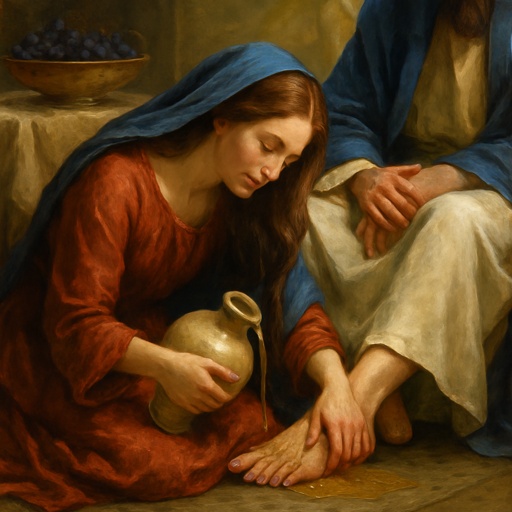
John 12:3
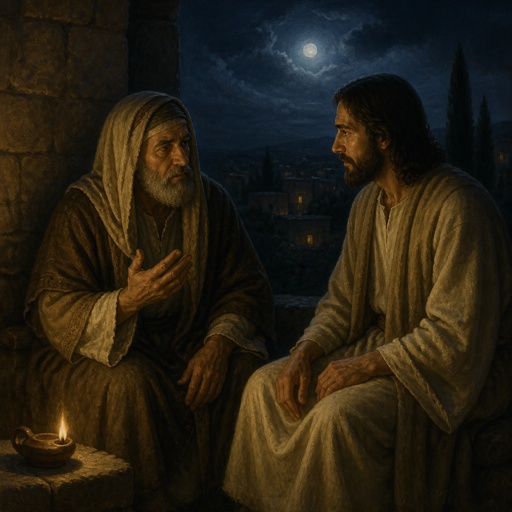
"Nicodemus answered and said unto him, How can these things be?" - John 3:9

1 John 3:3 - "And every man that hath this hope in him purifieth himself, even as he is pure."

1 John 3:6 - "Whosoever abideth in him sinneth not: whosoever sinneth hath not seen him, neither known him."

"Marvel not, my brethren, if the world hate you." - 1 John 3:13

1 John 3:20 - "For if our heart condemn us, God is greater than our heart, and knoweth all things."