The Heart's Devotion: A Warning from Solomon's Choices
“Of the nations concerning which the LORD said unto the children of Israel, Ye shall not go in to them, neither shall they come in unto you: for surely they will turn away your heart after their gods: Solomon clave unto these in love.” — 1 Kings 11:2
In 1 Kings 11:2, we find a poignant warning delivered through the unfolding narrative of Solomon’s life and reign. The verse states, "Of the nations concerning which the LORD said unto the children of Israel, Ye shall not go in to them, neither shall they come in unto you: for surely they will turn away your heart after their gods: Solomon clave unto these in love."
This caution from the Lord, aimed at His chosen people, holds a timeless truth that resonates with believers throughout generations—our choices in relationships can profoundly influence our devotion to God. Solomon, known for his unmatched wisdom and wealth, ultimately fell victim to his own desires. Despite his well-founded wisdom, he chose to cleave not to the ways of God, but rather to foreign women who led him astray into idolatry.
God’s command to Israel was clear: they were to remain separate from the influence of the nations around them, particularly those who worshipped false gods. This was not merely a preferential directive; it was a protective measure. The Lord knew that mingling with these nations would lead to spiritual dilution and a turning away from Him. The heart, as the scriptures often remind us, is the wellspring of life (Proverbs 4:23). A heart drawn away from the Lord can result in devastating consequences, as we see in Solomon’s story.
Solomon's decision to love these foreign women illustrates a critical concept: "He clave unto these in love." Love, in this context, suggests more than mere attraction; it signifies a deep connection and entangled devotion that blinds one to the possible repercussions. Solomon’s relationships with these women were not casual encounters; they involved a commitment that inevitably redirected his love away from God. Instead of leading his foreign wives to worship the one true God, Solomon succumbed to their influences, allowing the worship of idols, such as Ashtoreth and Molech, to take root in his kingdom.
As Christians today, we must consider whom or what we are cleaving to in our lives. Are we forming relationships, partnerships, or affiliations that draw us close to the heart of God, or are we engaging with those that would pull us away? This is not merely about romantic entanglements, but extends to friendships, business associations, and even cultural engagements. From Solomon, we learn that love can be a double-edged sword; it can inspire us toward great devotion or lead us into detriment.
The narrative of Solomon compels us to reflect on our priorities: where does our heart truly lie? Do we treasure our relationship with God above all else? Or do we find ourselves entangled in relationships and pursuits that divert our attention and affection from Him? Jesus admonishes us in Luke 10:27 to love the Lord our God with all our heart, soul, strength, and mind. This is not a suggestion but a command, emphasizing the totality of devotion that our creator desires.
Furthermore, we would do well to heed the communal nature of the warning delivered to Israel. Our choices affect not just ourselves, but those around us – families, communities, and churches. When Solomon allowed his heart to be swayed by the allure of foreign gods, it set a precedent that affected the entire nation of Israel, leading to division and eventual downfall.
As we navigate our relationships, may we be vigilant, discerning, and prayerful. Let us ask ourselves if we are inviting influences into our lives that could pose a threat to our fidelity to God. The Lord’s counsel in 1 Kings stands as a beacon for us: let love for Him remain paramount, guarding our hearts from distractions that lead to spiritual compromise. In the end, true fulfillment and joy stem from unwavering devotion to God, the only one worthy of our love.
Get our apps


Artwork for 1 Kings 11:2

1 Kings 11:2 - "Of the nations concerning which the LORD said unto the children of Israel, Ye shall not go in to them, neither shall they come in unto you: for surely they will turn away your heart after their gods: Solomon clave unto these in love."

"Of the nations concerning which the LORD said unto the children of Israel, Ye shall not go in to them, neither shall they come in unto you: for surely they will turn away your heart after their gods: Solomon clave unto these in love." - 1 Kings 11:2

1 Kings 11:11

1 Kings 11:11

1 Kings 11:11

1 Kings 11:11

1 Kings 11:13

1 Kings 11:5

1 Kings 11:13
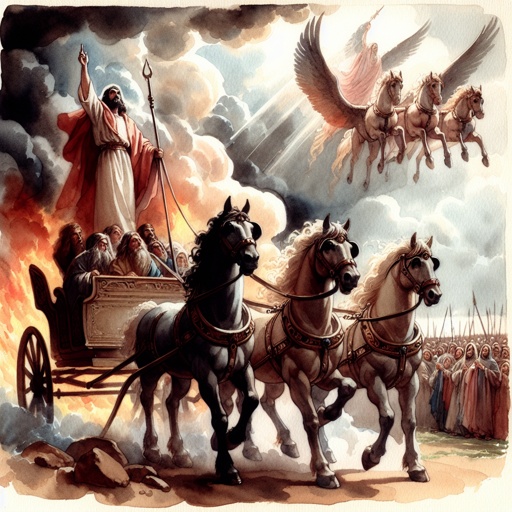
2 Kings 2:11

2 Kings 11:1 - "And when Athaliah the mother of Ahaziah saw that her son was dead, she arose and destroyed all the seed royal."
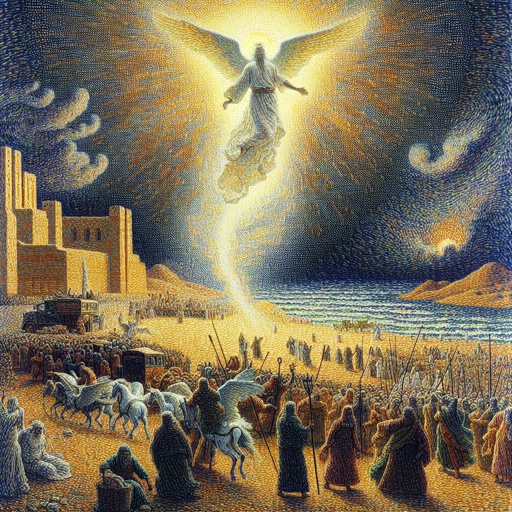
2 Kings 2:11

2 Kings 2:11

1 Kings 11:11

1 kings 11:11-13

1 Kings 11:11-13

1 Kings 11:29-32

1 Kings 11:11-13

1 Kings 11:1-5

2 Kings 15:11 - "And the rest of the acts of Zachariah, behold, they are written in the book of the chronicles of the kings of Israel."

1 Kings 11:30-31

1 Kings 11:30-31

1 Kings 11:30-31

1 Kings 2:11 - "And the days that David reigned over Israel were forty years: seven years reigned he in Hebron, and thirty and three years reigned he in Jerusalem."

1 Kings 12:11

1 Kings 12:11

1 Kings 12:11

1 Kings 12:11

1 Kings 12:11

2 Kings 7:11 - "And he called the porters; and they told it to the king's house within."