What does 1 Kings 11:2 mean?
“Of the nations concerning which the LORD said unto the children of Israel, Ye shall not go in to them, neither shall they come in unto you: for surely they will turn away your heart after their gods: Solomon clave unto these in love.” — 1 Kings 11:2
The verse 1 Kings 11:2 in the King James Version of the Bible reads, "Of the nations concerning which the LORD said unto the children of Israel, Ye shall not go in to them, neither shall they come in unto you: for surely they will turn away your heart after their gods: Solomon clave unto these in love."
This verse comes from the book of 1 Kings, which is part of the historical books of the Old Testament. It specifically refers to King Solomon, the son of King David, who succeeded his father as the ruler of Israel. Solomon is known for his great wisdom and wealth, and under his reign, Israel experienced a period of unprecedented prosperity and peace.
However, despite his wisdom and close relationship with God, Solomon made some critical errors that ultimately led to the downfall of his kingdom. This verse highlights one of his major failings: his propensity to form alliances with foreign nations and to marry their princesses, contrary to the commands of God. This was a violation of the covenant that God had made with the Israelites, prohibiting them from intermarrying with the pagan nations and worshiping their gods.
The verse begins by emphasizing that the LORD had specifically warned the children of Israel against forming alliances with the surrounding nations because of the potential for idolatry. This points to the overarching theme of the Israelites' faithfulness to God and the consequences of disobedience. Throughout the Bible, there is a consistent emphasis on the need for God's people to remain separate from the surrounding culture and to worship Him alone. Solomon's actions in forming alliances with foreign nations directly violated this principle, and it ultimately led to his downfall.
The verse then goes on to state that Solomon "clave unto these in love," referring to his love for foreign women and the gods they worshiped. This emphasizes Solomon's infatuation with the women of other nations, which led him to compromise his faith and ultimately turn away from God. It serves as a stark warning of the dangers of allowing worldly influences to infiltrate one's heart and lead them away from God.
From a contextual standpoint, this verse serves as a turning point in Solomon's life and reign. It sets the stage for the subsequent decline of his kingdom and the division of Israel, as his foreign wives and their gods ultimately led to his spiritual downfall and the judgment of God on the nation. This narrative serves as a cautionary tale for future generations, highlighting the importance of remaining faithful to God and avoiding the influences of the world.
Symbolically, this verse represents the struggle between faithfulness and compromise. Solomon's actions represent the constant battle that believers face in navigating the tension between their faith and the pull of the world. It serves as a reminder of the need for discernment and steadfast commitment to God's commands, even in the face of temptation and worldly allure.
In conclusion, 1 Kings 11:2 serves as a poignant reminder of the dangers of compromise and the consequences of turning away from God. It highlights the importance of remaining faithful to God's commands and serves as a cautionary tale for believers to guard their hearts and remain steadfast in their faith. Solomon's downfall serves as a sobering example of the perils of allowing worldly influences to lead one astray, and it ultimately points to the redemptive grace of God, who remains faithful to His people even in the face of their waywardness.
Get our apps


Artwork for 1 Kings 11:2

1 Kings 11:2 - "Of the nations concerning which the LORD said unto the children of Israel, Ye shall not go in to them, neither shall they come in unto you: for surely they will turn away your heart after their gods: Solomon clave unto these in love."

"Of the nations concerning which the LORD said unto the children of Israel, Ye shall not go in to them, neither shall they come in unto you: for surely they will turn away your heart after their gods: Solomon clave unto these in love." - 1 Kings 11:2

1 Kings 11:11

1 Kings 11:11

1 Kings 11:11

1 Kings 11:11

1 Kings 11:13

1 Kings 11:5

1 Kings 11:13
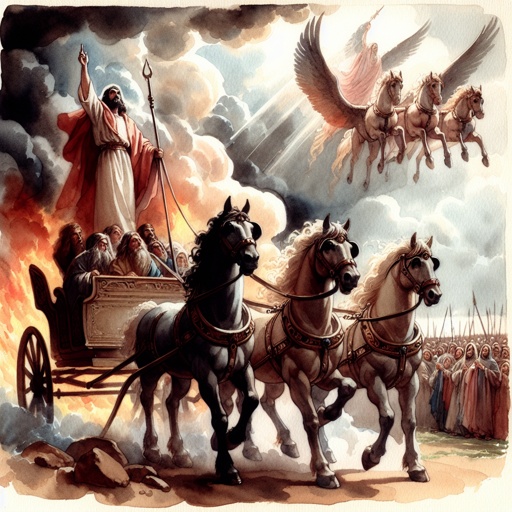
2 Kings 2:11

2 Kings 11:1 - "And when Athaliah the mother of Ahaziah saw that her son was dead, she arose and destroyed all the seed royal."
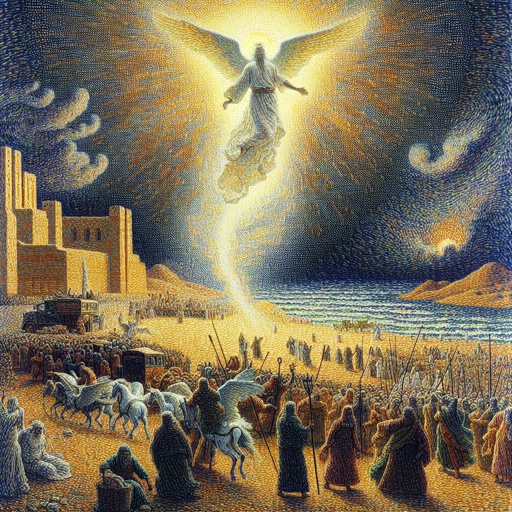
2 Kings 2:11

2 Kings 2:11

1 Kings 11:11

1 kings 11:11-13

1 Kings 11:11-13

1 Kings 11:29-32

1 Kings 11:11-13

1 Kings 11:1-5

2 Kings 15:11 - "And the rest of the acts of Zachariah, behold, they are written in the book of the chronicles of the kings of Israel."

1 Kings 11:30-31

1 Kings 11:30-31

1 Kings 11:30-31

1 Kings 2:11 - "And the days that David reigned over Israel were forty years: seven years reigned he in Hebron, and thirty and three years reigned he in Jerusalem."

1 Kings 12:11

1 Kings 12:11

1 Kings 12:11

1 Kings 12:11

1 Kings 12:11

2 Kings 7:11 - "And he called the porters; and they told it to the king's house within."