Walking in Strength: A Call to Faithfulness
“I go the way of all the earth: be thou strong therefore, and shew thyself a man; And keep the charge of the LORD thy God, to walk in his ways, to keep his statutes, and his commandments, and his judgments, and his testimonies, as it is written in the law of Moses, that thou mayest prosper in all that thou doest, and whithersoever thou turnest thyself:” — 1 Kings 2:2-3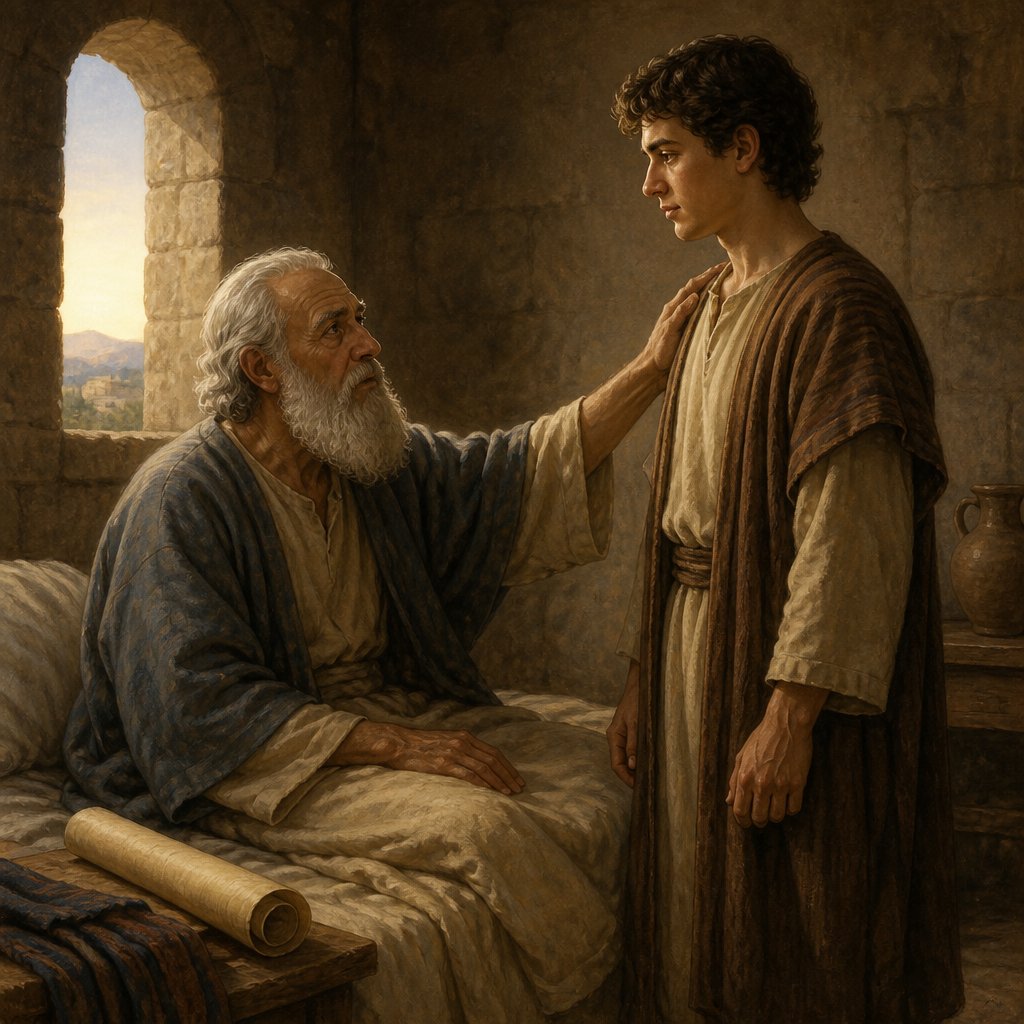
In 1 Kings 2:2-3, we encounter the poignant words of King David as he imparts his final charge to his son Solomon: "I am about to go the way of all the earth: be thou strong therefore, and shew thyself a man; And keep the charge of the Lord thy God, to walk in his ways, to keep his statutes, and his commandments, and his judgments, and his testimonies, as it is written in the law of Moses, that thou mayest prosper in all that thou doest, and whithersoever thou turnest thyself." These words resonate with us as a summons to embrace our identity as men and women of God, urging us to embody strength and faithfulness, especially in times of transition and challenge.
David's reminder that he is about to go the way of all the earth serves as a powerful reality check. It highlights the inevitability of our mortal journey and serves to ground us in our earthly existence. Each of us will eventually face our own 'way of all the earth', yet, as we contemplate our mortality, we are drawn to the critical legacy we leave behind. This moment of reflection encourages us not to squander our days but rather to strive towards fulfilling purposes greater than ourselves.
The first charge David gives Solomon, "be thou strong therefore, and shew thyself a man" stands at the heart of this passage. Strength, as outlined here, is not merely physical endurance but encompasses moral courage, integrity, and the resolve to uphold God's truth. In our world, the demand for authentic manhood and womanhood has never been greater. To be strong today requires standing firm in faith amidst a culture that often sidesteps moral obligations, defines truth subjectively, and undermines the very essence of godly living. It invites us to embrace the challenge to demonstrate our character through our actions and decisions.
David goes on to outline the nature of true strength: a commitment to keeping the charge of the Lord and walking in His ways. This is a powerful reminder that strength is not simply about personal fortitude but is intrinsically linked to our relationship with God. To "keep the charge of the Lord thy God" indicates an active, attentive adherence to His commandments, revealing that our paths to success are anchored in divine obedience. David consulted the law of Moses, and we too, ought to make His Word our standard; it is in Scriptures that we find wisdom, direction, and the blueprint for living.
"To walk in his ways, to keep his statutes, and his commandments, and his judgments, and his testimonies"—these phrases are profound in their implications. Each aspect calls us to a holistic lifestyle of devotion. Walking in His ways suggests a daily commitment, not merely a momentary decision; keeping His statutes requires a heart that delights in the commands of God, while adhering to His judgments and testimonies speaks to the integrity of our witness to others.
David encapsulates the promise tied to this obedience: "that thou mayest prosper in all that thou doest, and whithersoever thou turnest thyself." While we may associate prosperity merely with financial gain or success in worldly terms, David underscores a richer understanding of prosperity that includes peace, purpose, and the profound joy that accompanies living in alignment with God's will. This is an assurance that our endeavors, rooted in the soil of faithfulness, will bear fruit and fulfill the purpose for which we were created.
As we meditate on David's counsel to Solomon, let's embrace the challenge to 'show ourselves men and women' who uphold the values of our Lord. Let us commit to walking in His ways, living lives marked by His commandments, and rest assured that in this, we find not just prosperity, but the very essence of a life well-lived in the realm of the eternal.
Today, let us renew our commitment to live—not by the standards of the world, but by the glorious call of our Creator. For in doing so, we discover the true strength and purpose, and we shall surely prosper in all that we do.
Get our apps


Artwork for 1 Kings 2:2-3

1 Kings 2:2-3 - "I am about to go the way of all the earth. Be strong, and show yourself a man, and keep the charge of the Lord your God, walking in his ways and keeping his statutes, his commandments, his rules, and his testimonies, as it is written in the Law of Moses, that you may prosper in all that you do and wherever you turn."
"I am about to go the way of all the earth. Be strong, and show yourself a man, and keep the charge of the Lord your God, walking in his ways and keeping his statutes, his commandments, his rules, and his testimonies, as it is written in the Law of Moses, that you may prosper in all that you do and wherever you turn." - 1 Kings 2:2-3

1 Kings 2:2 - "I go the way of all the earth: be thou strong therefore, and shew thyself a man;"

1 Kings 3:2 - "Only the people sacrificed in high places, because there was no house built unto the name of the LORD, until those days."

2 Kings 3:15

2 Kings 3:15

2 Kings 3:15

2 Kings 19:2

2 Kings 19:2

2 Kings 3:1 - "Now Jehoram the son of Ahab began to reign over Israel in Samaria the eighteenth year of Jehoshaphat king of Judah, and reigned twelve years."

2 Kings 19:2

Acts 2:2-3

Acts 2:2-3

2 Kings 3:16-19
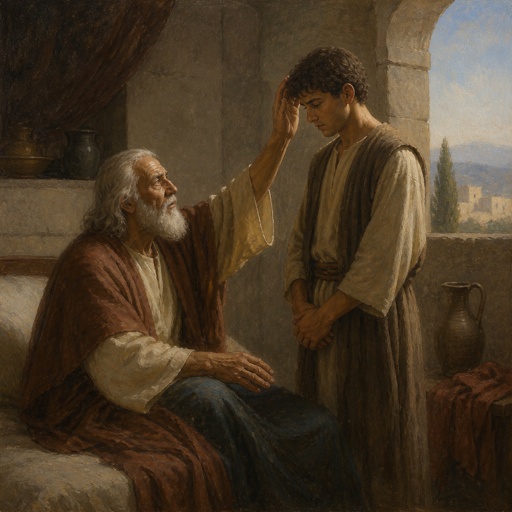
"I go the way of all the earth: be thou strong therefore, and shew thyself a man;" - 1 Kings 2:2

2 Kings 3:10 - "And the king of Israel said, Alas! that the LORD hath called these three kings together, to deliver them into the hand of Moab!"

2 Kings 3:23 - "And they said, This is blood: the kings are surely slain, and they have smitten one another: now therefore, Moab, to the spoil."

2 Kings 3:6 - "¶ And king Jehoram went out of Samaria the same time, and numbered all Israel."

2 Kings 3:16 - "And he said, Thus saith the LORD, Make this valley full of ditches."

2 Kings 3:5 - "But it came to pass, when Ahab was dead, that the king of Moab rebelled against the king of Israel."

2 Kings 3:3 - "Nevertheless he cleaved unto the sins of Jeroboam the son of Nebat, which made Israel to sin; he departed not therefrom."

2 Kings 1:3 - "But the angel of the LORD said to Elijah the Tishbite, Arise, go up to meet the messengers of the king of Samaria, and say unto them, Is it not because there is not a God in Israel, that ye go to enquire of Baal-zebub the god of Ekron?"

2 kings 5:3 Create a scene with a young servant girl talking earnestly with her mistress who is looking at her intently. the surroundings are rich in keeping with early biblical times of 2 kings

2 Kings 3:18 - "And this is but a light thing in the sight of the LORD: he will deliver the Moabites also into your hand."

2 Kings 25:3 - "And on the ninth day of the fourth month the famine prevailed in the city, and there was no bread for the people of the land."

2 Kings 3:2 - "And he wrought evil in the sight of the LORD; but not like his father, and like his mother: for he put away the image of Baal that his father had made."

1 Timothy 2:2 - "For kings, and for all that are in authority; that we may lead a quiet and peaceable life in all godliness and honesty."

2 Kings 1:1 - "Then Moab rebelled against Israel after the death of Ahab."

1 Kings 5:2 - "And Solomon sent to Hiram, saying,"

2 Kings 1:18 - "Now the rest of the acts of Ahaziah which he did, are they not written in the book of the chronicles of the kings of Israel?"