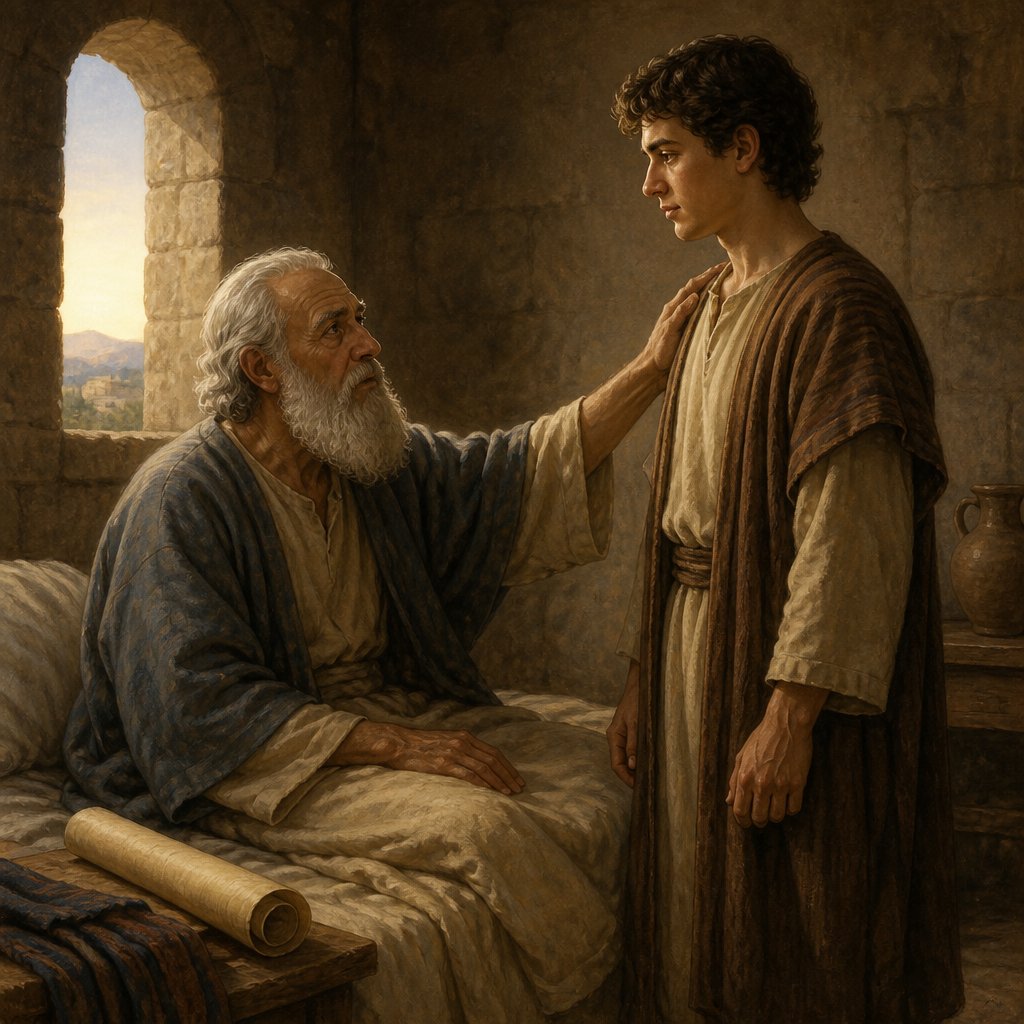
1 Kings 2:2-3 (KJV) - "I go the way of all the earth: be thou strong therefore, and shew thyself a man; And keep the charge of the Lord thy God, to walk in his ways, to keep his statutes, and his commandments, and his judgments, and his testimonies, as it is written in the law of Moses, that thou mayest prosper in all that thou doest, and whithersoever thou turnest thyself."
In 1 Kings 2:2-3, King David is speaking to his son Solomon, who is about to take over as the new king of Israel. This passage contains David's final instructions and exhortations to Solomon as he takes on the responsibility of leading the kingdom. It is a powerful and poignant moment as David prepares to pass the torch of leadership to his successor.
The verse begins with David acknowledging his own mortality by saying, "I go the way of all the earth." This is a reminder to Solomon that life is temporary and that everyone will eventually face death. This acknowledgment serves to convey the seriousness and weight of the charge that Solomon is about to take on. It also serves as a reminder that even the most powerful and successful leaders are subject to the same fate as everyone else, further highlighting the importance of walking in God's ways and keeping His commandments.
David then encourages Solomon to "be thou strong therefore, and shew thyself a man." This is a call for Solomon to be courageous, steadfast, and mature in his leadership. The language used here is reminiscent of the qualities of a strong and capable leader, emphasizing the importance of courage, integrity, and wisdom in the face of the challenges that come with leading a kingdom.
The verse then goes on to outline the specific responsibilities that Solomon must adhere to as the new king. He is charged with keeping the charge of the Lord his God, which includes walking in His ways, keeping His statutes, commandments, judgments, and testimonies as written in the law of Moses. This is a comprehensive call to obedience to God's laws and principles, emphasizing the importance of living a life that is aligned with God's will and purpose.
It is important to note that the word "charge" in this context refers to the responsibility and duty that Solomon has been given as the king. It is his task to uphold and honor the covenant relationship between God and His people, and to govern the nation with justice, righteousness, and faithfulness to God's commands.
The passage concludes with a promise of prosperity for Solomon if he follows these instructions, stating, "that thou mayest prosper in all that thou doest, and whithersoever thou turnest thyself." This serves as an incentive and encouragement for Solomon to remain steadfast and faithful in his obedience to God. It also highlights the connection between obedience to God's commands and the blessings that come from walking in His ways.
Overall, 1 Kings 2:2-3 carries a powerful message about leadership, obedience to God, and the importance of living a life that is aligned with His will. It serves as a reminder that even the most powerful leaders are subject to the authority and sovereignty of God, and that true prosperity and success come from honoring and obeying Him. The context of this passage within the larger narrative of the Bible emphasizes the timeless and universal significance of these principles, making it a source of wisdom and guidance for leaders and individuals alike.
Get our apps


Artwork for 1 Kings 2:2-3

1 Kings 2:2-3 - "I am about to go the way of all the earth. Be strong, and show yourself a man, and keep the charge of the Lord your God, walking in his ways and keeping his statutes, his commandments, his rules, and his testimonies, as it is written in the Law of Moses, that you may prosper in all that you do and wherever you turn."
"I am about to go the way of all the earth. Be strong, and show yourself a man, and keep the charge of the Lord your God, walking in his ways and keeping his statutes, his commandments, his rules, and his testimonies, as it is written in the Law of Moses, that you may prosper in all that you do and wherever you turn." - 1 Kings 2:2-3

1 Kings 2:2 - "I go the way of all the earth: be thou strong therefore, and shew thyself a man;"

1 Kings 3:2 - "Only the people sacrificed in high places, because there was no house built unto the name of the LORD, until those days."

2 Kings 3:15

2 Kings 3:15

2 Kings 3:15

2 Kings 19:2

2 Kings 19:2

2 Kings 3:1 - "Now Jehoram the son of Ahab began to reign over Israel in Samaria the eighteenth year of Jehoshaphat king of Judah, and reigned twelve years."

2 Kings 19:2

Acts 2:2-3

Acts 2:2-3

2 Kings 3:16-19
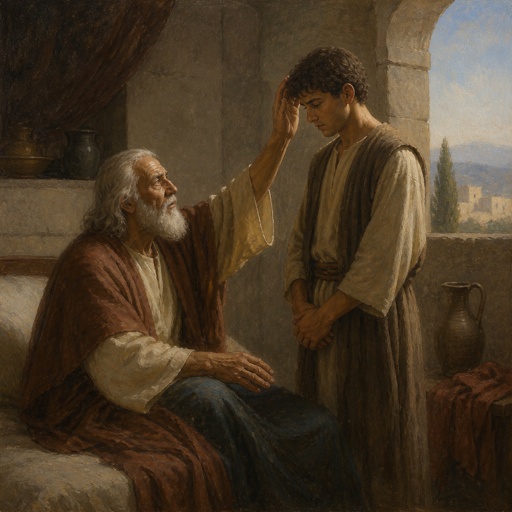
"I go the way of all the earth: be thou strong therefore, and shew thyself a man;" - 1 Kings 2:2

2 Kings 3:10 - "And the king of Israel said, Alas! that the LORD hath called these three kings together, to deliver them into the hand of Moab!"

2 Kings 3:23 - "And they said, This is blood: the kings are surely slain, and they have smitten one another: now therefore, Moab, to the spoil."

2 Kings 3:6 - "¶ And king Jehoram went out of Samaria the same time, and numbered all Israel."

2 Kings 3:16 - "And he said, Thus saith the LORD, Make this valley full of ditches."

2 Kings 3:5 - "But it came to pass, when Ahab was dead, that the king of Moab rebelled against the king of Israel."

2 Kings 3:3 - "Nevertheless he cleaved unto the sins of Jeroboam the son of Nebat, which made Israel to sin; he departed not therefrom."

2 Kings 1:3 - "But the angel of the LORD said to Elijah the Tishbite, Arise, go up to meet the messengers of the king of Samaria, and say unto them, Is it not because there is not a God in Israel, that ye go to enquire of Baal-zebub the god of Ekron?"
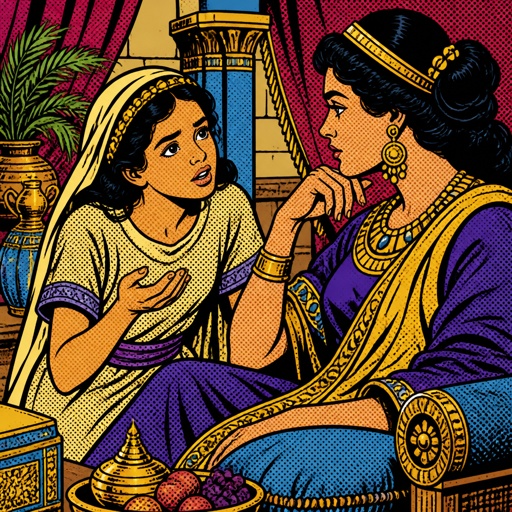
2 kings 5:3 Create a scene with a young servant girl talking earnestly with her mistress who is looking at her intently. the surroundings are rich in keeping with early biblical times of 2 kings

2 Kings 3:18 - "And this is but a light thing in the sight of the LORD: he will deliver the Moabites also into your hand."

2 Kings 25:3 - "And on the ninth day of the fourth month the famine prevailed in the city, and there was no bread for the people of the land."

2 Kings 3:2 - "And he wrought evil in the sight of the LORD; but not like his father, and like his mother: for he put away the image of Baal that his father had made."

1 Timothy 2:2 - "For kings, and for all that are in authority; that we may lead a quiet and peaceable life in all godliness and honesty."

2 Kings 1:1 - "Then Moab rebelled against Israel after the death of Ahab."

1 Kings 5:2 - "And Solomon sent to Hiram, saying,"

2 Kings 1:18 - "Now the rest of the acts of Ahaziah which he did, are they not written in the book of the chronicles of the kings of Israel?"