The Consequence of Broken Promises: Lessons from Shimei
“And the king sent and called for Shimei, and said unto him, Did I not make thee to swear by the LORD, and protested unto thee, saying, Know for a certain, on the day thou goest out, and walkest abroad any whither, that thou shalt surely die? and thou saidst unto me, The word that I have heard is good.” — 1 Kings 2:42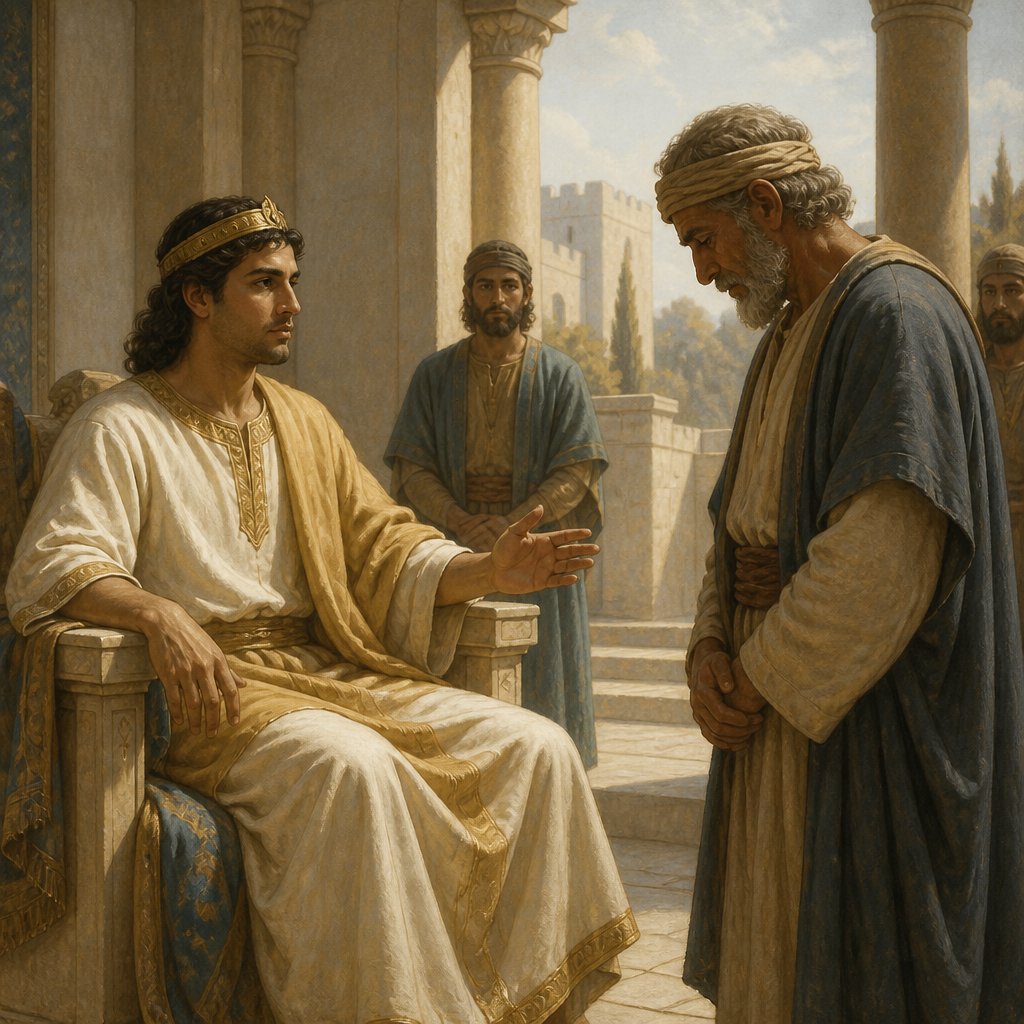
In 1 Kings 2:42, we encounter a poignant moment in the narrative of King Solomon’s rise to power. The verse states, "And the king sent and called for Shimei, and said unto him, Did I not make thee to swear by the LORD, and protested unto thee, saying, Know for a certain, on the day thou goest out, and walkest abroad any whither, that thou shalt surely die? and thou saidst unto me, The word that I have heard is good."
This verse encapsulates the essence of oaths, the weight of words, and the gravity of disobedience. As we explore this moment, we are reminded not only of the character of David's reign and Solomon's wisdom but also of the larger implications of promise-keeping in our relationship with God and others.
Shimei was a servant of King David who had previously cursed David when he was fleeing from Absalom. Later, once David became king again, Shimei sought forgiveness and pledged his loyalty, which included an oath given before the Lord. Solomon, upon ascending the throne, had to deal with Shimei’s past actions and made it clear that Shimei's survival hinged upon obedience to this oath: he must not leave Jerusalem. Through Solomon’s directive, we catch a glimpse into the serious matter of integrity and the expectations of loyalty before God.
Shimei’s story serves as a powerful reminder of the significance of our commitments. In the New Testament, we are instructed in James 5:12 to "swear not, neither by heaven, neither by the earth, neither by any other oath: but let your yea be yea; and your nay, nay; lest ye fall into condemnation." Both passages reflect that our words—especially solemn promises—carry weight. When we pledge allegiance or loyalty, accountability follows. God's seriousness towards Shimei's oath teaches us that our promises, particularly to Him, are not to be taken lightly.
The phrase "Know for a certain, on the day thou goest out… thou shalt surely die" beckons us to consider not just the letter of the law, but the spirit behind it. When God commands us to obey, it is not simply about avoiding punishment; it is about recognizing His authority and surrendering to His will. Just like Shimei, when we choose to depart from the path of obedience, we expose ourselves to consequences we may not have anticipated.
Solomon’s inquiry to Shimei, "Did I not make thee to swear by the LORD?" underlines the covenantal aspect of their relationship. Fulfilling one’s commitments is a reflection of one’s integrity and, ultimately, a testament to one’s fear of the Lord. As believers, our integrity reflects our relationship with God. We are called to be faithful, trustworthy, and true in all our dealings. Each time we affirm our commitments, whether in relationships, work, or before God, we must remember that these promises bind us in a sacred trust.
Shimei’s refusal to abide by Solomon’s decree leads to tragic consequences, illustrating that disobedience can often lead to one's downfall. We learn that the freedom to choose also comes with the responsibility of our choices. When we walk outside the boundaries set for our own protection, we expose ourselves to harm.
In conclusion, the vignette of Shimei serves as a cautionary tale about the value of keeping our word and the importance of obeying God's directives. As believers, we should cultivate a heart that honors commitments made to God and others. As we reflect on our own lives, let us ask God to help us to live with integrity, to value our promises, and to consider the weight of our words. May we strive to be people of our word, showing the world around us the faithfulness of God through our actions.
Get our apps


Artwork for 1 Kings 2:42

1 Kings 2:42 - "And the king sent and called for Shimei, and said unto him, Did I not make thee to swear by the LORD, and protested unto thee, saying, Know for a certain, on the day thou goest out, and walkest abroad any whither, that thou shalt surely die? and thou saidst unto me, The word that I have heard is good."
"And the king sent and called for Shimei, and said unto him, Did I not make thee to swear by the LORD, and protested unto thee, saying, Know for a certain, on the day thou goest out, and walkest abroad any whither, that thou shalt surely die? and thou saidst unto me, The word that I have heard is good." - 1 Kings 2:42

1 Kings 11:42 - "And the time that Solomon reigned in Jerusalem over all Israel was forty years."

Genesis 42:1-2

1 Kings 1:42 - "And while he yet spake, behold, Jonathan the son of Abiathar the priest came: and Adonijah said unto him, Come in; for thou art a valiant man, and bringest good tidings."

1 Kings 7:42 - "And four hundred pomegranates for the two networks, even two rows of pomegranates for one network, to cover the two bowls of the chapiters that were upon the pillars;"
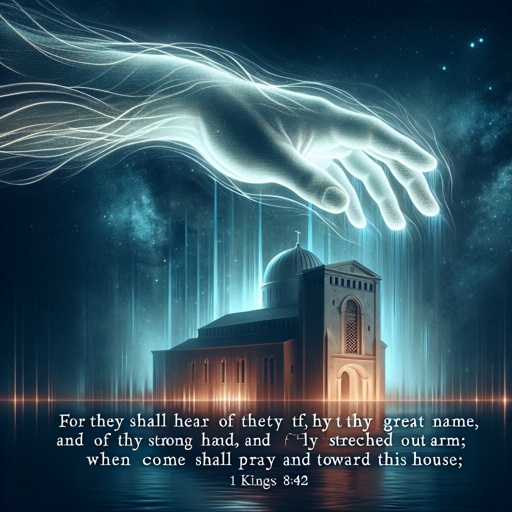
1 Kings 8:42 - "(For they shall hear of thy great name, and of thy strong hand, and of thy stretched out arm;) when he shall come and pray toward this house;"

1 Kings 22:42 - "Jehoshaphat was thirty and five years old when he began to reign; and he reigned twenty and five years in Jerusalem. And his mother's name was Azubah the daughter of Shilhi."

"And the time that Solomon reigned in Jerusalem over all Israel was forty years." - 1 Kings 11:42

1 Kings 18:42 - "So Ahab went up to eat and to drink. And Elijah went up to the top of Carmel; and he cast himself down upon the earth, and put his face between his knees,"

2 Kings 4:42 - "¶ And there came a man from Baal-shalisha, and brought the man of God bread of the firstfruits, twenty loaves of barley, and full ears of corn in the husk thereof. And he said, Give unto the people, that they may eat."

2 Kings 19:2

2 Kings 19:2

1 Chronicles 2:42 - "¶ Now the sons of Caleb the brother of Jerahmeel were, Mesha his firstborn, which was the father of Ziph; and the sons of Mareshah the father of Hebron."

2 Kings 19:2

1 Kings 2:18 - "And Bath-sheba said, Well; I will speak for thee unto the king."

Joshua 10:42 - "And all these kings and their land did Joshua take at one time, because the LORD God of Israel fought for Israel."

Psalm 42:1

Acts 2:41-42

Acts 2:41-42

Acts 2:41-42

Acts 2:41-42

Acts 2:41-42

Acts 2:41-42

Acts 2:41-42

Acts 2:41-42

Acts 2:41-42

Acts 2:41-42

Acts 2:41-42

Acts 2:41-42