What does 1 Kings 2:42 mean?
“And the king sent and called for Shimei, and said unto him, Did I not make thee to swear by the LORD, and protested unto thee, saying, Know for a certain, on the day thou goest out, and walkest abroad any whither, that thou shalt surely die? and thou saidst unto me, The word that I have heard is good.” — 1 Kings 2:42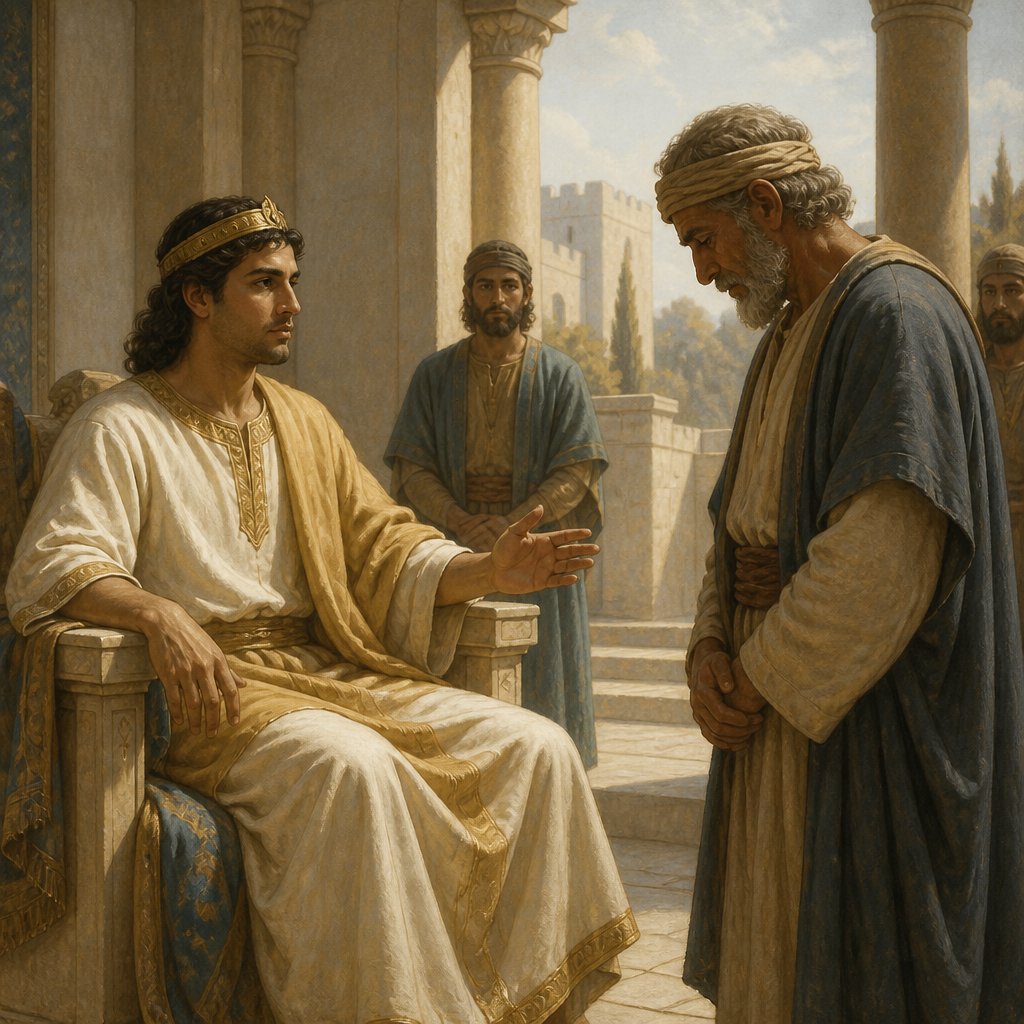
The verse 1 Kings 2:42 from the King James Version of the Bible reads: "And the king sent and called for Shimei, and said unto him, Did I not make thee to swear by the Lord, and protested unto thee, saying, Know for a certain, on the day thou goest out, and walkest abroad any whither, that thou shalt surely die? and thou saidst unto me, The word that I have heard is good."
This verse is part of the larger narrative of King Solomon dealing with the aftermath of his father David's reign. In this particular instance, King Solomon is addressing Shimei, a man who had previously cursed David when he was fleeing from his rebellious son Absalom. Shimei had promised not to leave Jerusalem, but he broke this promise by leaving to retrieve some escaped slaves.
In this verse, we see King Solomon confronting Shimei about breaking his oath and defying the command of the king. King Solomon reminds Shimei that he had made a solemn oath to the Lord to remain in Jerusalem, and Shimei had agreed to this. However, Shimei had disobeyed and left the city, putting himself at risk of death, as per the oath.
This verse reflects themes of obedience, integrity, and the consequences of breaking promises. King Solomon, as a ruler, is concerned about maintaining order and obedience among his subjects. He is holding Shimei accountable for his actions and reinforcing the importance of keeping one's word, especially when it is sworn before the Lord. The consequences of breaking an oath are serious, and King Solomon is making it clear that disobedience will not be tolerated in his kingdom.
The context of this verse is also significant. King Solomon is establishing his authority as the new king of Israel, and he is taking steps to solidify his rule. By addressing Shimei's disobedience and holding him accountable for his actions, King Solomon is sending a message to his kingdom that he expects obedience and loyalty from his subjects. This sets the tone for his reign and establishes the standards of conduct that he will uphold as king.
Symbolically, this verse can be seen as a representation of the importance of keeping one's word and the consequences of disobedience. Shimei's actions and subsequent punishment serve as a warning to others about the seriousness of breaking oaths and defying the authority of the king. It also highlights the concept of divine justice, as Shimei's oath was made before the Lord, and his disobedience brings about the consequences he was warned of.
In a broader sense, this verse can also be interpreted as a reflection of the biblical theme of obedience to God's commands. The importance of keeping one's word and being faithful to promises is a recurring theme throughout the Bible. King Solomon's insistence on upholding oaths and holding individuals accountable for their actions aligns with the biblical emphasis on honesty, integrity, and the consequences of disobedience.
In conclusion, 1 Kings 2:42 is a verse that carries significant meaning within the larger narrative of King Solomon's reign. It addresses themes of obedience, integrity, and the consequences of breaking promises, while also serving as a symbolic representation of divine justice and the biblical emphasis on faithfulness to oaths. The verse is a reminder of the importance of keeping one's word and the seriousness of disobedience, both in the context of King Solomon's kingdom and in the broader biblical teachings on morality and obedience.
Get our apps


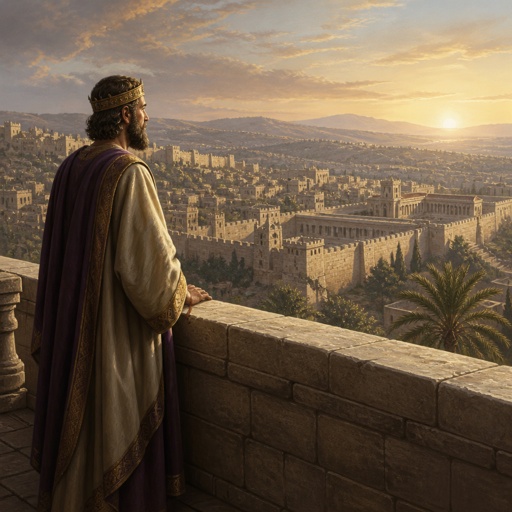
Artwork for 1 Kings 2:42

1 Kings 2:42 - "And the king sent and called for Shimei, and said unto him, Did I not make thee to swear by the LORD, and protested unto thee, saying, Know for a certain, on the day thou goest out, and walkest abroad any whither, that thou shalt surely die? and thou saidst unto me, The word that I have heard is good."
"And the king sent and called for Shimei, and said unto him, Did I not make thee to swear by the LORD, and protested unto thee, saying, Know for a certain, on the day thou goest out, and walkest abroad any whither, that thou shalt surely die? and thou saidst unto me, The word that I have heard is good." - 1 Kings 2:42

1 Kings 11:42 - "And the time that Solomon reigned in Jerusalem over all Israel was forty years."

Genesis 42:1-2

1 Kings 1:42 - "And while he yet spake, behold, Jonathan the son of Abiathar the priest came: and Adonijah said unto him, Come in; for thou art a valiant man, and bringest good tidings."
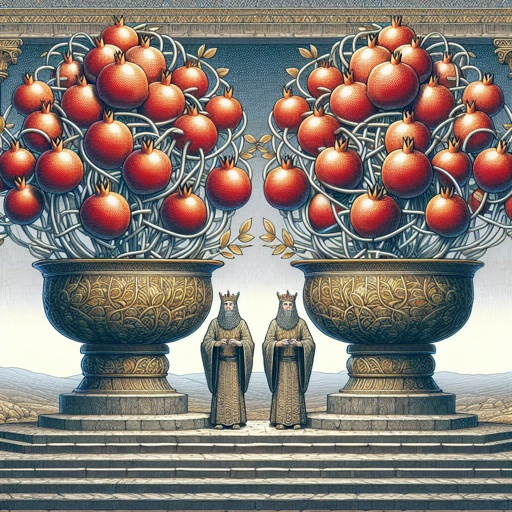
1 Kings 7:42 - "And four hundred pomegranates for the two networks, even two rows of pomegranates for one network, to cover the two bowls of the chapiters that were upon the pillars;"
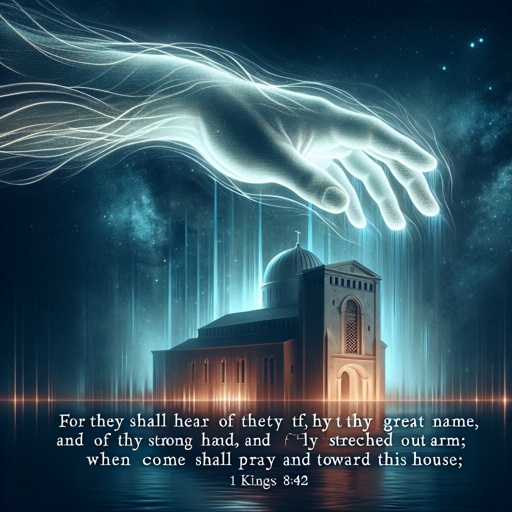
1 Kings 8:42 - "(For they shall hear of thy great name, and of thy strong hand, and of thy stretched out arm;) when he shall come and pray toward this house;"

1 Kings 22:42 - "Jehoshaphat was thirty and five years old when he began to reign; and he reigned twenty and five years in Jerusalem. And his mother's name was Azubah the daughter of Shilhi."
"And the time that Solomon reigned in Jerusalem over all Israel was forty years." - 1 Kings 11:42

1 Kings 18:42 - "So Ahab went up to eat and to drink. And Elijah went up to the top of Carmel; and he cast himself down upon the earth, and put his face between his knees,"

2 Kings 4:42 - "¶ And there came a man from Baal-shalisha, and brought the man of God bread of the firstfruits, twenty loaves of barley, and full ears of corn in the husk thereof. And he said, Give unto the people, that they may eat."

2 Kings 19:2

2 Kings 19:2

1 Chronicles 2:42 - "¶ Now the sons of Caleb the brother of Jerahmeel were, Mesha his firstborn, which was the father of Ziph; and the sons of Mareshah the father of Hebron."

2 Kings 19:2

1 Kings 2:18 - "And Bath-sheba said, Well; I will speak for thee unto the king."

Joshua 10:42 - "And all these kings and their land did Joshua take at one time, because the LORD God of Israel fought for Israel."

Psalm 42:1

Acts 2:41-42

Acts 2:41-42

Acts 2:41-42

Acts 2:41-42

Acts 2:41-42

Acts 2:41-42

Acts 2:41-42

Acts 2:41-42

Acts 2:41-42

Acts 2:41-42

Acts 2:41-42

Acts 2:41-42