Defining Honor: A Heart that Respects the Anointed
“The LORD forbid that I should stretch forth mine hand against the LORD’s anointed: but, I pray thee, take thou now the spear that is at his bolster, and the cruse of water, and let us go.” — 1 Samuel 26:11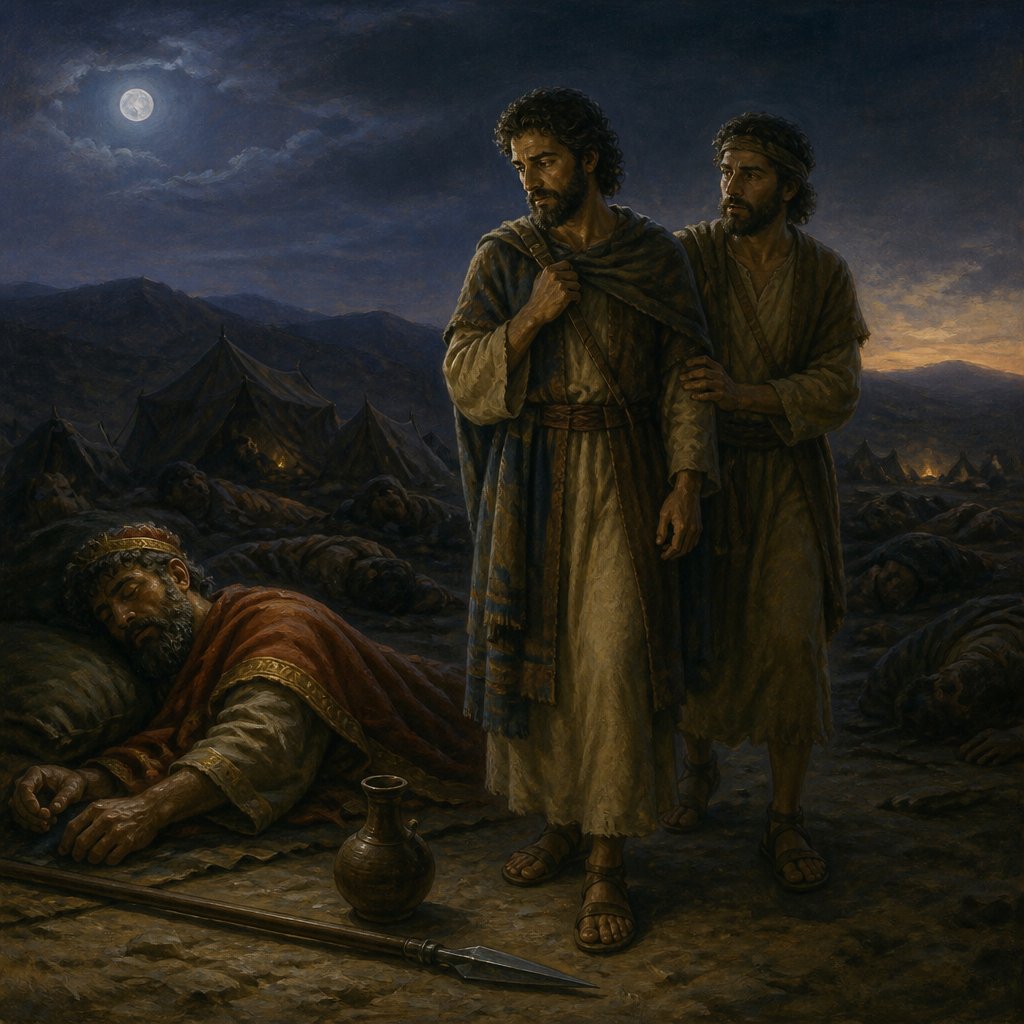
In the life of David, a young shepherd and future king of Israel, we find profound lessons about honor, respect, and divine appointment. The passage in 1 Samuel 26:11 reads, "The LORD forbid that I should stretch forth mine hand against the LORD'S anointed: but, I pray thee, take thou now the spear that is at his bolster, and the cruse of water, and let us go." This verse not only encapsulates David's heart towards Saul but also poses a challenge to our own attitudes toward authority and God’s chosen leaders in our lives.
The overarching narrative of David's life presents a man of integrity caught in a human drama filled with jealousy, betrayal, and moral complexities. Saul, once a victorious king and ally to David, had succumbed to the insatiable grip of jealousy and fear, seeking David's life. In the wilderness of Ziph, David had an opportunity to take the life of Saul, to eliminate his adversary and secure his own future as king. However, in a moment that defined his character, David chose restraint—a deep respect for God’s selection of Saul.
When David speaks of the "LORD'S anointed," he is acutely aware of the divine authority that Saul carries despite Saul's failings. This moment emphasizes David's belief in God’s sovereignty; he understood that it is God who appoints leaders, and it is not for him to usurp that authority. David recognized that even when a leader falters, we are called to honor the position they hold because it is appointed by God. This reality prompts a moment of reflection for us—how do we view the leaders in our lives, whether they are in the church, community, or workplace? Do we view them through the lens of respect and honor, or do we allow our disagreements and discontent to color our perceptions?
David’s awareness of God’s hand in Saul's position is a humbling reminder that our understanding of leadership should align more closely with how God operates. God’s ways are not our ways, and often, He places individuals in authority for reasons we may not immediately comprehend. We must therefore ask ourselves, in times of frustration with leaders—how can we honor the gift of their anointing and contribute to a spirit of peace and grace?
The second part of the verse illustrates David's practical wisdom in choosing to take only the spear and cruse of water, rather than the life of Saul. This action signifies a desire to demonstrate respect for Saul's life while also seizing the moment to make a point about God’s protection over him. It is a strategic move that reveals a heart saturated with compassion and foresight. For God has not called us to engage in conflict but to seek peace and to trust in His divine timing and justice.
In our pursuit of living a life characterized by godliness, we must learn from David’s example. There are moments when we may feel justified in our wrath or counterarguments; however, as followers of Christ, we are called to a higher standard modeled by love and reverence. David’s refusal to harm Saul but rather to plead with his close companion to take tokens of evidence back to Saul poses themes of reconciliation and mercy that we must be brave enough to extend to our leaders and those around us.
Ultimately, the lesson of 1 Samuel 26:11 beckons us to reflect on our hearts. Are our actions motivated by respect for God’s chosen ones? Do we approach our relationships—both with peers and authority figures—with humility and a readiness to honor? In practicing such recognition, we align ourselves not only with the teachings of Christ but also ensure our conduct reflects the heart of God, who honors the anointed and extends grace, for His glory and our growth.
Get our apps


Artwork for 1 Samuel 26:11
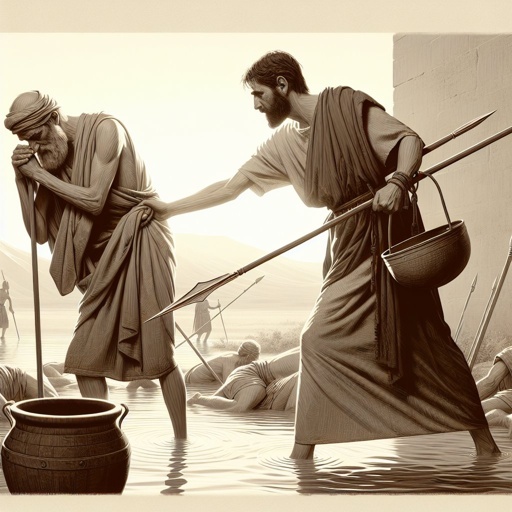
1 Samuel 26:11 - "The LORD forbid that I should stretch forth mine hand against the LORD'S anointed: but, I pray thee, take thou now the spear that is at his bolster, and the cruse of water, and let us go."
"The LORD forbid that I should stretch forth mine hand against the LORD'S anointed: but, I pray thee, take thou now the spear that is at his bolster, and the cruse of water, and let us go." - 1 Samuel 26:11

1 Samuel 2:26 - "And the child Samuel grew on, and was in favour both with the LORD, and also with men."

2 Samuel 11:26 - "¶ And when the wife of Uriah heard that Uriah her husband was dead, she mourned for her husband."

1 Samuel 15:26 (KJVA) 26 And Samuel said unto Saul, I will not return with thee: for thou hast rejected the word of the LORD, and the LORD hath rejected thee from being king over Israel.

1 Samuel 26:4 - "David therefore sent out spies, and understood that Saul was come in very deed."
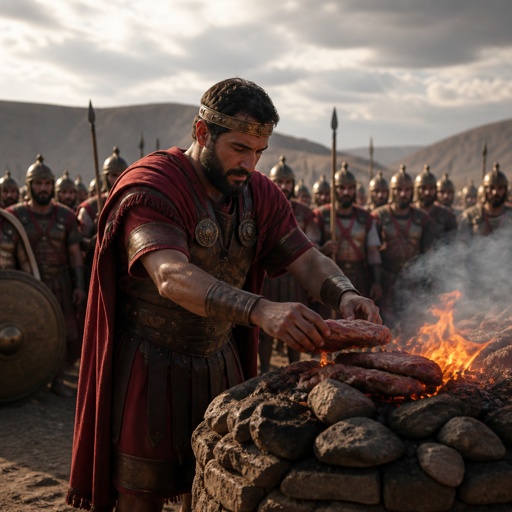
1 Samuel 13:11

1 Corinthians 11:26-29

1 Corinthians 11:26-29

1 Samuel 11:14 - "Then said Samuel to the people, Come, and let us go to Gilgal, and renew the kingdom there."

1 Samuel 26:1 - "And the Ziphites came unto Saul to Gibeah, saying, Doth not David hide himself in the hill of Hachilah, which is before Jeshimon?"

1 Samuel 15:26 - "And Samuel said unto Saul, I will not return with thee: for thou hast rejected the word of the LORD, and the LORD hath rejected thee from being king over Israel."

1 Samuel 9:26 - "And they arose early: and it came to pass about the spring of the day, that Samuel called Saul to the top of the house, saying, Up, that I may send thee away. And Saul arose, and they went out both of them, he and Samuel, abroad."

"And the child Samuel grew on, and was in favour both with the LORD, and also with men." - 1 Samuel 2:26

1 Samuel 22:11-13

1 Samuel 10:26 - "¶ And Saul also went home to Gibeah; and there went with him a band of men, whose hearts God had touched."

1 Samuel 28:11 - "Then said the woman, Whom shall I bring up unto thee? And he said, Bring me up Samuel."

1 Samuel 26:22 - "And David answered and said, Behold the king's spear! and let one of the young men come over and fetch it."

1 Samuel 3:11 - "¶ And the LORD said to Samuel, Behold, I will do a thing in Israel, at which both the ears of every one that heareth it shall tingle."

1 Samuel 1:26 - "And she said, Oh my lord, as thy soul liveth, my lord, I am the woman that stood by thee here, praying unto the LORD."

1 Samuel 12:11 - "And the LORD sent Jerubbaal, and Bedan, and Jephthah, and Samuel, and delivered you out of the hand of your enemies on every side, and ye dwelled safe."

1 Samuel 11:12 - "¶ And the people said unto Samuel, Who is he that said, Shall Saul reign over us? bring the men, that we may put them to death."

1 Samuel 18:26 - "And when his servants told David these words, it pleased David well to be the king's son in law: and the days were not expired."

1 Samuel 26:13 - "¶ Then David went over to the other side, and stood on the top of an hill afar off; a great space being between them:"

1 Samuel 26:9 - "And David said to Abishai, Destroy him not: for who can stretch forth his hand against the LORD'S anointed, and be guiltless?"

1 Samuel 31:11 - "¶ And when the inhabitants of Jabesh-gilead heard of that which the Philistines had done to Saul;"

1 Samuel 20:26 - "Nevertheless Saul spake not any thing that day: for he thought, Something hath befallen him, he is not clean; surely he is not clean."

1 Samuel 26:2 - "Then Saul arose, and went down to the wilderness of Ziph, having three thousand chosen men of Israel with him, to seek David in the wilderness of Ziph."

1 Samuel 26:3 - "And Saul pitched in the hill of Hachilah, which is before Jeshimon, by the way. But David abode in the wilderness, and he saw that Saul came after him into the wilderness."

1 Chronicles 26:11 - "Hilkiah the second, Tebaliah the third, Zechariah the fourth: all the sons and brethren of Hosah were thirteen."