The Sovereignty of God: A Shield Against Our Fears
“Therefore thus saith the LORD concerning the king of Assyria, He shall not come into this city, nor shoot an arrow there, nor come before it with shield, nor cast a bank against it.” — 2 Kings 19:32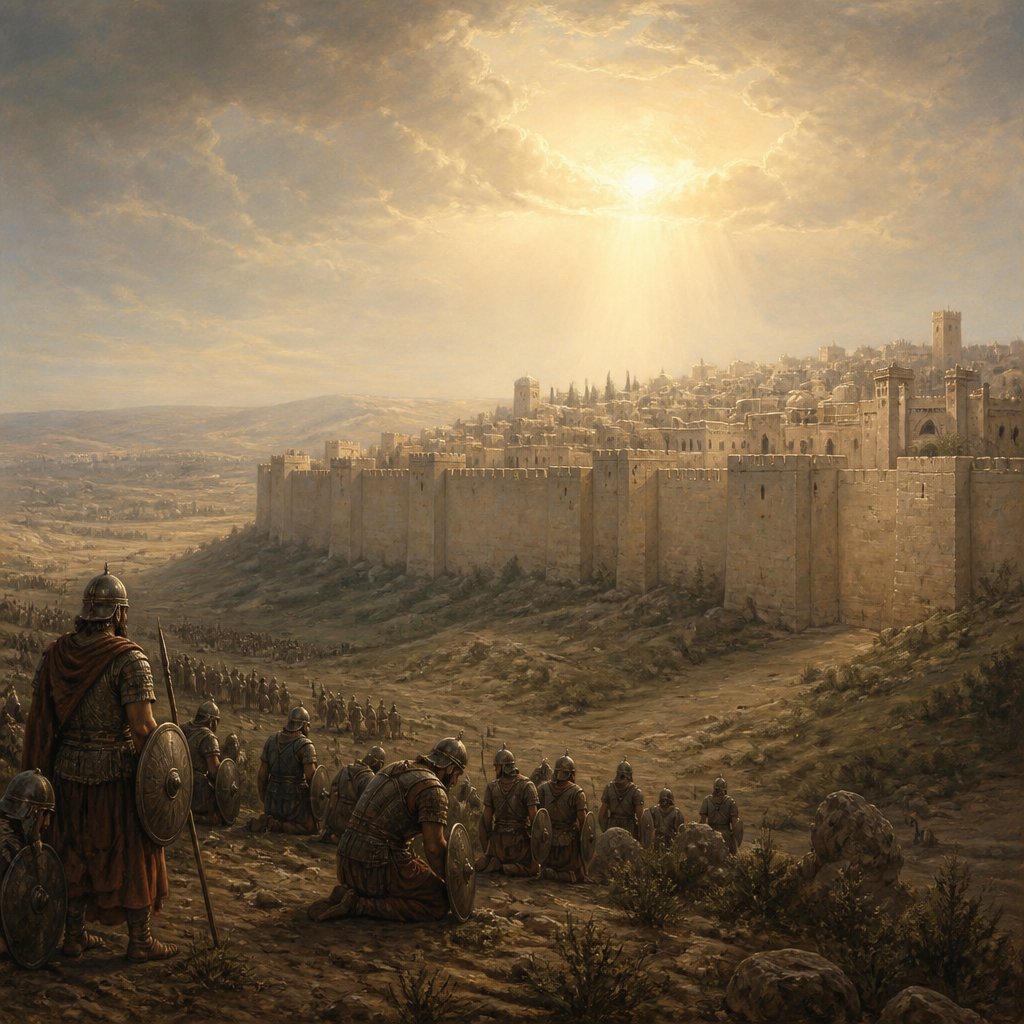
In the midst of trials and tribulations, it's easy to feel overwhelmed, much like the people of Jerusalem during the reign of King Hezekiah. Faced with the impending threat of Sennacherib, the king of Assyria, the inhabitants of Jerusalem were gripped by fear and uncertainty. Yet, it is in this setting that we receive a powerful message from the Lord, found in 2 Kings 19:32: "Therefore thus saith the LORD concerning the king of Assyria, He shall not come into this city, nor shoot an arrow there, nor come before it with shield, nor cast a bank against it."
This declaration from God is rich with significance and depths of divine assurance. It not only encapsulates God’s sovereignty over nations and powers but also serves as a comforting reminder of His protective nature towards His people. As we delve into the implications of this verse, we can find not just reassurance but also a framework for understanding our own challenges and fears.
First and foremost, let's focus on the context. Sennacherib was a powerful king, known for his ruthless conquests and military strategies. His threat against Jerusalem was very real, as he had already defeated numerous cities and nations. The terror that ensued was palpable; the morale of the citizens might have been at its lowest. Yet, into this scene of despair, God's voice cuts through.
When God declares, "He shall not come into this city," it reflects His absolute power over the circumstances. It emphasizes the point that, no matter how formidable the enemy may seem, God has the final say. This is the essence of what it means to trust in the Lord: believing in His might and His promise that He will defend us against trials.
Furthermore, God specifically mentions the tactics of the Assyrians. By stating, "nor shoot an arrow there, nor come before it with shield, nor cast a bank against it," He clarifies that not only would Sennacherib fail to enter the city, but that even the attempts of war—through arrows, shields, or siege—would completely be thwarted. Each of these elements symbolizes the various ways we feel attacked or pressured in our lives.
Perhaps we have our own ‘Assyrians’, be they financial struggles, health issues, relational discord, or any number of pressures that threaten to invade our peace. From this passage, we learn that God sees our battles, and, just as He did for Jerusalem, He prepares a way and provides assurance that these struggles do not have ultimate power over us.
In our spiritual arsenal, we often overlook the significance of God's Word in strengthening our faith and fortifying our spirit against the arrows of doubt and fear. The Lord’s promises serve as a shield, offering us peace in the storm. When we arm ourselves with Scripture, meditating on the promises of God, we find courage that withstands the onslaught of negative thoughts and fears.
Moreover, it is noteworthy that God’s promise was not just for the leaders but for the entire city—everyone who put their trust in Him would be protected. This communal aspect is vital for us as believers. We must support one another, reminding each other of God’s promises and His faithful protection, just as He encouraged the people of Jerusalem through Hezekiah's leadership.
As we reflect on this passage, let us acknowledge the various fears that seek to infiltrate our lives. May we remember that God is our refuge and strength, a very present help in trouble (Psalm 46:1). Let us stand firm in the knowledge that the same God who declared victory over the Assyrians is still in control today, declaring victory over our fears, trials, and worries.
In conclusion, the call to trust in the sovereignty of God is clear. Through His Word, we find a promise that is not just for the past but is alive and applicable today. As we navigate through life’s challenges, may we look to Him, holding to the assurance that He is our defender and our fortress. Let us silence the doubts with our faith, declaring, as He did, that our troubles shall not prevail against us.
Get our apps


Artwork for 2 Kings 19:32

2 Kings 19:32 - "Therefore thus saith the LORD concerning the king of Assyria, He shall not come into this city, nor shoot an arrow there, nor come before it with shield, nor cast a bank against it."
"Therefore thus saith the LORD concerning the king of Assyria, He shall not come into this city, nor shoot an arrow there, nor come before it with shield, nor cast a bank against it." - 2 Kings 19:32

2 Kings 19:2

2 Kings 19:2

2 Chronicles 32:32 - "Now the rest of the acts of Hezekiah, and his goodness, behold, they are written in the vision of Isaiah the prophet, the son of Amoz, and in the book of the kings of Judah and Israel."

2 Kings 19:2

2 Kings 19:17 - "Of a truth, LORD, the kings of Assyria have destroyed the nations and their lands,"

2 Kings 4:32 - "And when Elisha was come into the house, behold, the child was dead, and laid upon his bed."

2 Kings 12:19 - "¶ And the rest of the acts of Joash, and all that he did, are they not written in the book of the chronicles of the kings of Judah?"

2 Kings 3:16-19

2 Chronicles 32:19 - "And they spake against the God of Jerusalem, as against the gods of the people of the earth, which were the work of the hands of man."

2 Kings 15:32 - "¶ In the second year of Pekah the son of Remaliah king of Israel began Jotham the son of Uzziah king of Judah to reign."

2 Kings 23:32 - "And he did that which was evil in the sight of the LORD, according to all that his fathers had done."

2 Kings 16:19 - "¶ Now the rest of the acts of Ahaz which he did, are they not written in the book of the chronicles of the kings of Judah?"

2 Kings 19:5 - "So the servants of king Hezekiah came to Isaiah."

2 Kings 10:32 - "¶ In those days the LORD began to cut Israel short: and Hazael smote them in all the coasts of Israel;"

2 Kings 19:36 - "So Sennacherib king of Assyria departed, and went and returned, and dwelt at Nineveh."

2 Kings 19:13 - "Where is the king of Hamath, and the king of Arpad, and the king of the city of Sepharvaim, of Hena, and Ivah?"

2 Kings 17:32 - "So they feared the LORD, and made unto themselves of the lowest of them priests of the high places, which sacrificed for them in the houses of the high places."

2 Kings 9:32 - "And he lifted up his face to the window, and said, Who is on my side? who? And there looked out to him two or three eunuchs."

2 Kings 19:11 - "Behold, thou hast heard what the kings of Assyria have done to all lands, by destroying them utterly: and shalt thou be delivered?"

Genesis 19-32

2 Kings 19:2 - "And he sent Eliakim, which was over the household, and Shebna the scribe, and the elders of the priests, covered with sackcloth, to Isaiah the prophet the son of Amoz."

2 Samuel 19:32 - "Now Barzillai was a very aged man, even fourscore years old: and he had provided the king of sustenance while he lay at Mahanaim; for he was a very great man."

2 Kings 19:34 - "For I will defend this city, to save it, for mine own sake, and for my servant David's sake."

"Of a truth, LORD, the kings of Assyria have destroyed the nations and their lands," - 2 Kings 19:17

2 Kings 24:19 - "And he did that which was evil in the sight of the LORD, according to all that Jehoiakim had done."

2 Kings 17:19 - "Also Judah kept not the commandments of the LORD their God, but walked in the statutes of Israel which they made."

2 Kings 19:33 - "By the way that he came, by the same shall he return, and shall not come into this city, saith the LORD."

"So the servants of king Hezekiah came to Isaiah." - 2 Kings 19:5