The Cost of Pleasing Men: A Reflection on Acts 12:3
“And because he saw it pleased the Jews, he proceeded further to take Peter also. ( Then were the days of unleavened bread.)” — Acts 12:3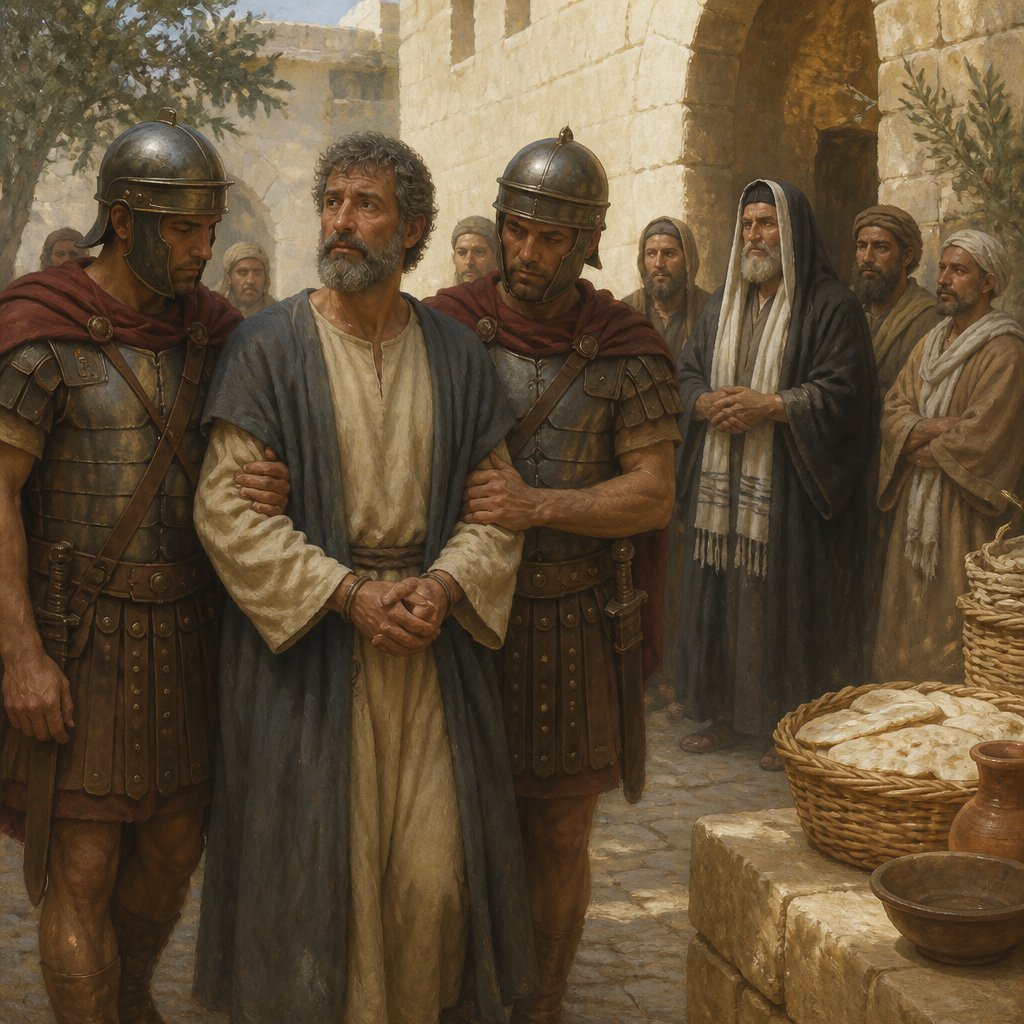
In Acts 12:3, we read, "And because he saw it pleased the Jews, he proceeded further to take Peter also. (Then were the days of unleavened bread.)" This verse, while seemingly simple, embodies a profound truth about the choices we make and their implications on our spiritual journeys. Herod's decision to arrest Peter, driven by the desire to please the Jewish leaders, serves as both a warning and an invitation to reflect on where our loyalties lie.
When we observe the political maneuvering of Herod, it becomes clear that he was a man preoccupied with public approval. The text tells us that after executing James, the brother of John, he continued his campaign against the followers of Christ because he observed that it pleased the Jews. Here, we see a leader prioritizing the whims of the crowd over what is right and just. In his pursuit to maintain power and popularity, Herod solidified his reputation even at the cost of innocent lives.
This scenario prompts us to consider how often we, too, are tempted to please those around us. The desire for acceptance can lead to choices that conflict with our faith and convictions. Are we like Herod, making decisions based on the fear of man rather than seeking the approval of God? The New Testament calls us to a different standard, reinforcing that our allegiance must ultimately lie with Christ.
Paul, in Galatians 1:10, illuminates this quandary beautifully when he writes, "For do I now persuade men, or God? or do I seek to please men? for if I yet pleased men, I should not be the servant of Christ." These words remind us of the daily struggles in the Christian walk. It is a tightrope walk between staying true to our faith and failing into the temptation to compromise for the sake of human approval.
Looking further into Acts 12, we can see the larger context of Herod’s selfish motives. His actions were not isolated incidents; they were part of a systemic effort to silence the burgeoning movement of believers. Thus, the arrest of Peter was not simply a personal vendetta but a direct assault on the church. In pleasing the Jews, Herod inadvertently positioned himself against the very purposes of God. The intentions behind our actions can drastically alter their outcomes. When we seek to please others over God, we dismantle the work He is doing in and through us.
Moreover, we notice that the timing of Peter's arrest, during the days of unleavened bread, carries significance. This period was a time of deep reflection and remembrance of God’s deliverance. It reminds us to examine our own lives and be cautious about the influence we allow into our hearts during such times. Unleavened bread symbolizes purity, untainted by influence, just as we are called to live lives unsullied by the pressures of the world.
Herod's actions resulted in a plot against the very foundation of the early church, but God intervened as we move further into the chapter. Peter is miraculously freed, which illustrates both the power of prayer and the faithfulness of God amidst tyranny. This narrative teaches us that while we might face trials, God is never absent. He is ready to assist those who remain steadfast in their faith, irrespective of the pleas of men.
As we meditate on Acts 12:3, let us reflect on our hearts. Who are we trying to please? Are we aligning our actions with God's will or swaying to the tides of public opinion? Remember, pleasing men can lead us down a path of spiritual compromise. Instead, let us strive for a heart that seeks to honor God above all, fully aware that true peace and joy are found not in the fleeting approval of men, but in the steadfast love and acceptance of Christ.
Get our apps


Artwork for Acts 12:3

Acts 12:3 - "And because he saw it pleased the Jews, he proceeded further to take Peter also. (Then were the days of unleavened bread.)"
"And because he saw it pleased the Jews, he proceeded further to take Peter also. (Then were the days of unleavened bread.)" - Acts 12:3

Acts 18:12

Acts 28:12

Acts 18:12
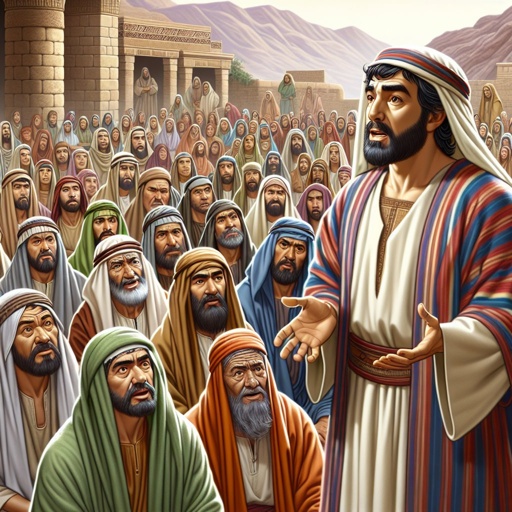
Acts 3:12 - "¶ And when Peter saw it, he answered unto the people, Ye men of Israel, why marvel ye at this? or why look ye so earnestly on us, as though by our own power or holiness we had made this man to walk?"

Acts 3:16

Acts 3:16

Acts 3:16

Acts 3:16

Acts 3:6-7

Acts 3:6-7

Acts 3:6-7

Acts 3:6-7

Acts 3:6-7

Acts 4:8-12

acts 20:7-12

Acts 12:24 - "¶ But the word of God grew and multiplied."

Acts 2;2-3

acts 3 11

Acts 2:3

Acts 3:3 - "Who seeing Peter and John about to go into the temple asked an alms."

Acts 12:2 - "And he killed James the brother of John with the sword."

Acts 28:12 - "And landing at Syracuse, we tarried there three days."

Acts 2:2-3

Acts 2:2-3

Acts 12:22 - "And the people gave a shout, saying, It is the voice of a god, and not of a man."

Acts 20:12 - "And they brought the young man alive, and were not a little comforted."

Acts 12:13 - "And as Peter knocked at the door of the gate, a damsel came to hearken, named Rhoda."

Acts 14:12 - "And they called Barnabas, Jupiter; and Paul, Mercurius, because he was the chief speaker."