Sent Out with Purpose: The Power of Prayer and Fasting
"And when they had fasted and prayed, and laid their hands on them, they sent them away." - Acts 13:3
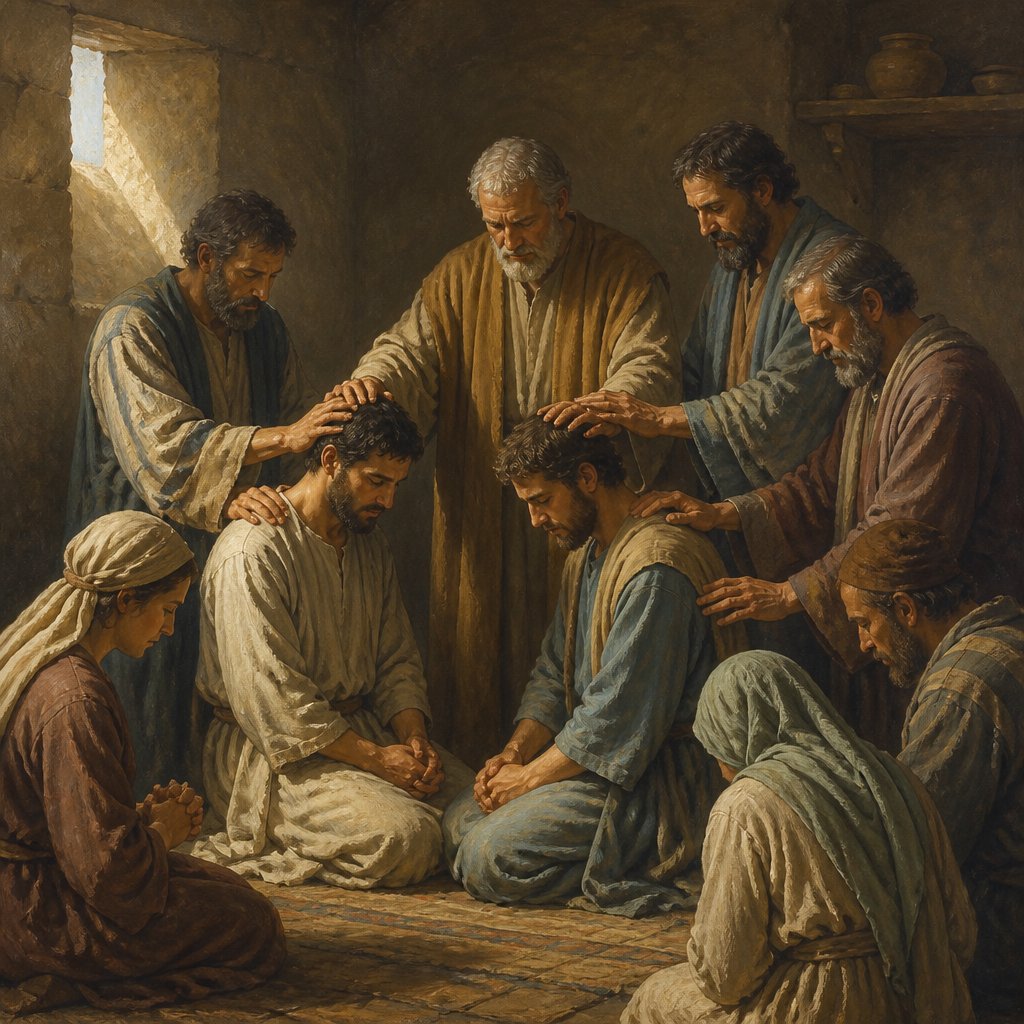
Acts 13:3 states, "And when they had fasted and prayed, and laid their hands on them, they sent them away." This passage encapsulates a pivotal moment in the early church—a moment filled with divine significance, communal discernment, and fervent spirituality. It invites us to reflect deeply on the practices of fasting and praying, and the implications of being sent out in service to God.
In the context of Acts 13, the church at Antioch was gathered for worship, creating an atmosphere filled with anticipation and openness to the Holy Spirit. This gathering wasn't merely a social or religious occasion; it was a sacred space, ripe for guidance and revelation. The leaders of this church recognized their dependence on God for direction and wisdom. Fasting and prayer became their tools for seeking the face of God, demonstrating a commitment to spiritual matters over mundane concerns.
Fasting, in this verse, is particularly significant. It is not merely abstaining from food; it is an intentional act of humility, of setting aside physical sustenance to focus entirely on the spiritual. Throughout scripture, fasting is an expression of earnestness in seeking God. It signifies prioritizing God's presence above all else, acknowledging that man does not live by bread alone, but by every word that proceeds from the mouth of God (Matthew 4:4, KJV). In a culture that prizes self-sufficiency and instant gratification, fasting calls us back to a posture of dependence, reminding us that our true strength comes from God.
Prayer, intertwined with fasting in this passage, signifies an intimate conversation with God. It is more than just a checklist of requests; prayer establishes a rhythm of listening and responding to God's heart. In the busy world we inhabit, there is a tendency to rush through our prayers, but the believers at Antioch teach us that earnest prayer requires time. It invites God into our decisions, aligning our hearts and minds with His will. When we pray sincerely, we create space for the Holy Spirit to guide and lead us.
Additionally, the laying on of hands represents commissioning—a solemn and sacred act that symbolizes impartation and blessing. By laying hands on those who were to be sent, the church publicly affirmed their call. This act united the community, acknowledging that the individuals were not going out alone; they were sent with the full support and blessing of the church.
The act of sending them away speaks volumes about discernment in leadership and the collective mission of the church. Following the fast and prayer, the Holy Spirit spoke clearly, directing the church to set apart Paul and Barnabas for the work they were called to do. As followers of Christ, we are all called to communicate openly with God and seek His will, particularly when it comes to significant decisions in our lives.
Now, consider the implications for us today. Are we spending time in prayer and fasting to discern God's will in our lives? Are we actively seeking the Holy Spirit's guidance before making decisions? These spiritual disciplines should be core practices for every believer, not just reserved for leaders and missionaries. We must cultivate a deep yearning to hear from God, to seek His heart just as the church at Antioch did.
Furthermore, we can ask ourselves: who are we sending out, and how are we preparing them for their God-given missions? Are we nurturing those God has placed around us, equipping them with prayer, encouragement, and, when the time comes, our blessings? The church plays a critical role in calling forth leaders and missionaries, and this does not happen passively. It requires intentionality, investment, and, above all, prayer.
As we meditate on Acts 13:3, let us be inspired to deepen our commitment to fasting, prayer, and community. May we recognize the holiness of being sent and the empowering nature of fasting and prayer in our everyday lives. In embracing these practices, we find ourselves within the divine narrative God is weaving—a narrative that invites us to partnership in His kingdom work.
Want to reflect more on Acts 13:3?
Continue your spiritual journey with Bible Chat — an AI-powered tool for exploring God's Word through conversation. Ask questions, discover connections, and deepen your understanding.
Get Our Apps


Acts 13:3 Artwork

Acts 13:3 - "And when they had fasted and prayed, and laid their hands on them, they sent them away."
"And when they had fasted and prayed, and laid their hands on them, they sent them away." - Acts 13:3

Acts 3:13 - "The God of Abraham, and of Isaac, and of Jacob, the God of our fathers, hath glorified his Son Jesus; whom ye delivered up, and denied him in the presence of Pilate, when he was determined to let him go."

Acts 13:43

Acts 3:16

Acts 3:16

Acts 3:16

Acts 3:16

Acts 3:6-7

Acts 3:6-7

Acts 3:6-7

Acts 3:6-7

Acts 3:6-7

Acts 2;2-3

acts 3 11

Acts 2:3

Acts 13:30 - "But God raised him from the dead:"

Acts 13:49 - "And the word of the Lord was published throughout all the region."

Acts 13:52 - "And the disciples were filled with joy, and with the Holy Ghost."

Acts 3:3 - "Who seeing Peter and John about to go into the temple asked an alms."

Acts 13:37 - "But he, whom God raised again, saw no corruption."

Acts 2:13 - "Others mocking said, These men are full of new wine."

Acts 2:2-3

Acts 2:2-3

Acts 13:13 - "Now when Paul and his company loosed from Paphos, they came to Perga in Pamphylia: and John departing from them returned to Jerusalem."

Acts 23:13 - "And they were more than forty which had made this conspiracy."

Acts 18:13 - "Saying, This fellow persuadeth men to worship God contrary to the law."

Acts 24:13 - "Neither can they prove the things whereof they now accuse me."

Acts 13:18 - "And about the time of forty years suffered he their manners in the wilderness."

Acts 13:40 - "Beware therefore, lest that come upon you, which is spoken of in the prophets;"