The Power of Cultural Sensitivity in Ministry
"Him would Paul have to go forth with him; and took and circumcised him because of the Jews which were in those quarters: for they knew all that his father was a Greek." - Acts 16:3
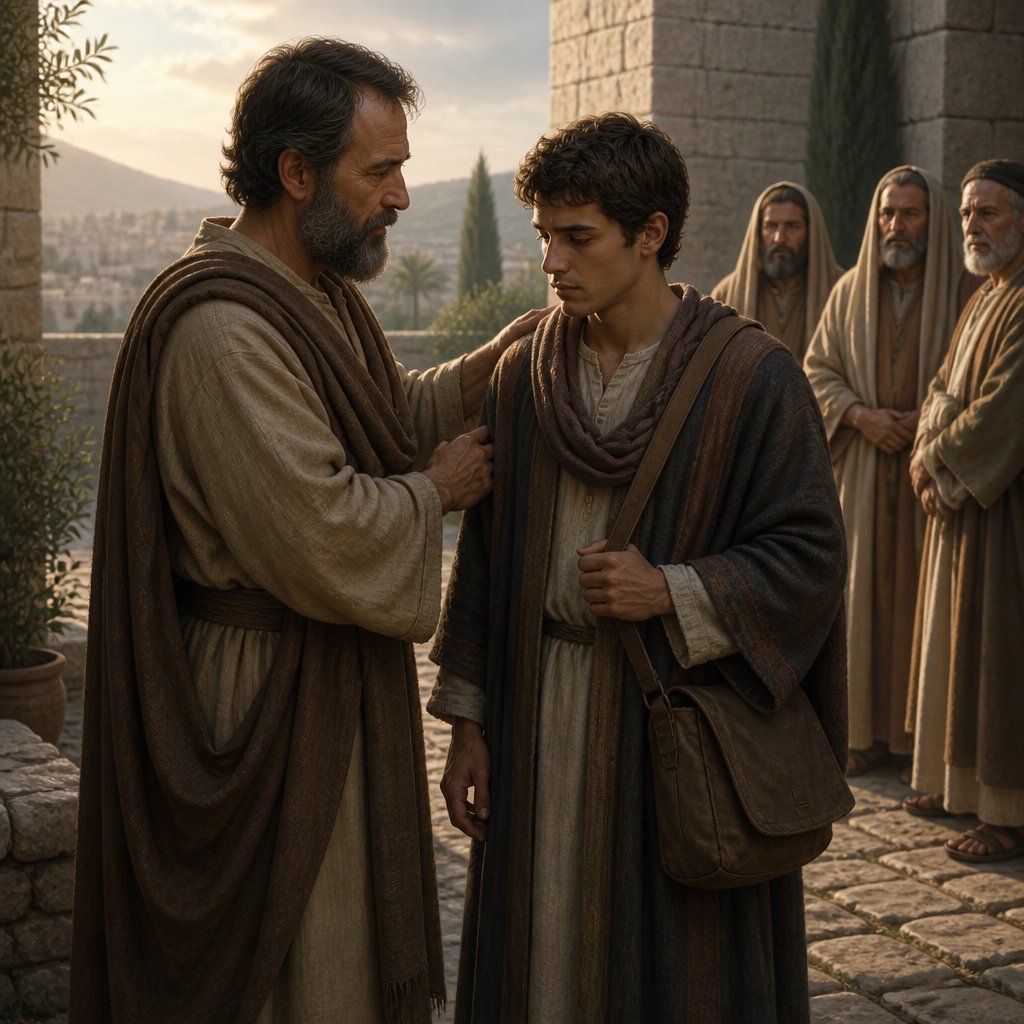
Acts 16:3 states, "Him would Paul have to go forth with him; and took and circumcised him because of the Jews which were in those quarters: for they knew all that his father was a Greek." This verse, while seemingly a historical footnote, holds profound implications for how we approach ministry and evangelism in our diverse world today.
To fully appreciate the significance of this moment in the life of the Apostle Paul, we must understand the cultural landscape in which he operated. Timothy, whom Paul decides to take along on his missionary journey, was a young man of mixed heritage—his mother was a Jew, and his father was a Greek. In Jewish culture, being a Jew was defined by one’s mother’s lineage. Consequently, Timothy could be seen as Jewish in a cultural context but uncircumcised, which would raise eyebrows among the Jewish people Paul sought to reach.
Paul, recognizing the importance of Timothy's acceptance in the communities they would minister to, made the decision to circumcise him, not because he believed that circumcision held any saving power but to avoid unnecessary barriers in sharing the Gospel. This act of cultural sensitivity underscores Paul’s commitment to context-sensitive ministry. Paul willingly circumcised Timothy not out of obligation, but to allow Timothy to enter Jewish communities without prejudice and stigma. This brings us to a crucial understanding: there are times when we must adapt ourselves for the sake of the Gospel, as long as it does not compromise our core beliefs.
In a world filled with diversity in culture, belief, and practices, this passage challenges today’s Christians to evaluate how we approach those outside of our faith. Are we willing to adapt our methods and practices for the sake of those we wish to reach? Paul’s willingness to have Timothy circumcised speaks volumes about his dedication. It was not about legalism but love; it was about removing barriers in achieving the goal of evangelism.
As believers, we too are called to adopt a mindset of humility and flexibility in our outreach efforts. The Gospel does not change; however, our methods of communicating it can and should. The church today is often called to engage with a world that is increasingly pluralistic, where understanding and respecting different backgrounds can be vital in conveying the love of Christ. It involves a selflessness, a desire to bridge the gaps between cultures, and sometimes a willingness to undergo personal sacrifices.
Moreover, we should reflect on the influence that our actions and decisions have on those who may be watching us. Timothy’s circumcision was a demonstration of Paul’s sensitivity to the cultural context. As Christians, our lives are constantly under scrutiny. Are we living in such a way that reflects the heart of Christ? As Paul reminded the Corinthians, "For though I be free from all men, yet have I made myself servant unto all, that I might gain the more" (1 Corinthians 9:19).
This devotion reveals an essential aspect of our Christian journey—understanding that the message of Christ transcends cultures, but the delivery of that message can be tailored for different audiences. It teaches us to consider what we might sacrifice for the sake of furthering the Kingdom.
In practical terms, this may involve learning about different cultures, understanding the values and beliefs of those we wish to reach, or even relinquishing some of our own preferences in favor of creating space for others in the faith community. Circumcision for Timothy may sound extreme to us now, but examine it as a heart posture. Are we ready to put in the hard work of understanding and loving those who seem different from us? Are we willing to take practical steps to build bridges rather than walls?
As we reflect on Paul’s decision, let us pray for the wisdom, humility, and love to ensure that our lives and words resonate with grace and truth. May we always remember that our mission is not just to preach the Gospel, but to embody it in the way we relate to the world around us.
Want to reflect more on Acts 16:3?
Continue your spiritual journey with Bible Chat — an AI-powered tool for exploring God's Word through conversation. Ask questions, discover connections, and deepen your understanding.
Get Our Apps


Acts 16:3 Artwork

Acts 16:3 - "Him would Paul have to go forth with him; and took and circumcised him because of the Jews which were in those quarters: for they knew all that his father was a Greek."
"Him would Paul have to go forth with him; and took and circumcised him because of the Jews which were in those quarters: for they knew all that his father was a Greek." - Acts 16:3

Acts 3:16

Acts 3:16

Acts 3:16

Acts 3:16

Acts 3:16 - "And his name through faith in his name hath made this man strong, whom ye see and know: yea, the faith which is by him hath given him this perfect soundness in the presence of you all."

Acts 16 v18

Acts 16 v26

Acts 16:17
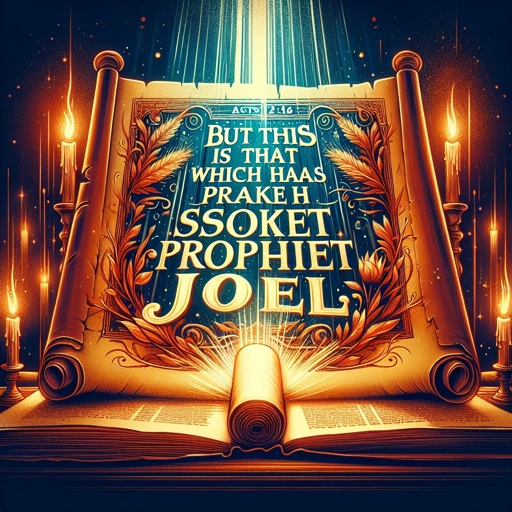
Acts 2:16 - "But this is that which was spoken by the prophet Joel;"

Acts 16:8 - "And they passing by Mysia came down to Troas."

Acts 3:6-7

Acts 3:6-7

Acts 3:6-7

Acts 3:6-7

Acts 3:6-7

acts 3 11

Acts 2;2-3

Acts 18:16 - "And he drave them from the judgment seat."

Acts 2:3

Acts 3:3 - "Who seeing Peter and John about to go into the temple asked an alms."

Acts 10:16 - "This was done thrice: and the vessel was received up again into heaven."

Acts 16:2 - "Which was well reported of by the brethren that were at Lystra and Iconium."

Acts 16:5 - "And so were the churches established in the faith, and increased in number daily."

Acts 16:16 - "¶ And it came to pass, as we went to prayer, a certain damsel possessed with a spirit of divination met us, which brought her masters much gain by soothsaying:"

Acts 2:2-3

Acts 2:2-3

"But this is that which was spoken by the prophet Joel;" - Acts 2:16

Acts 14:16 - "Who in times past suffered all nations to walk in their own ways."