Ignorance and Forgiveness: A Call to Understanding
“And now, brethren, I wot that through ignorance ye did it, as did also your rulers.” — Acts 3:17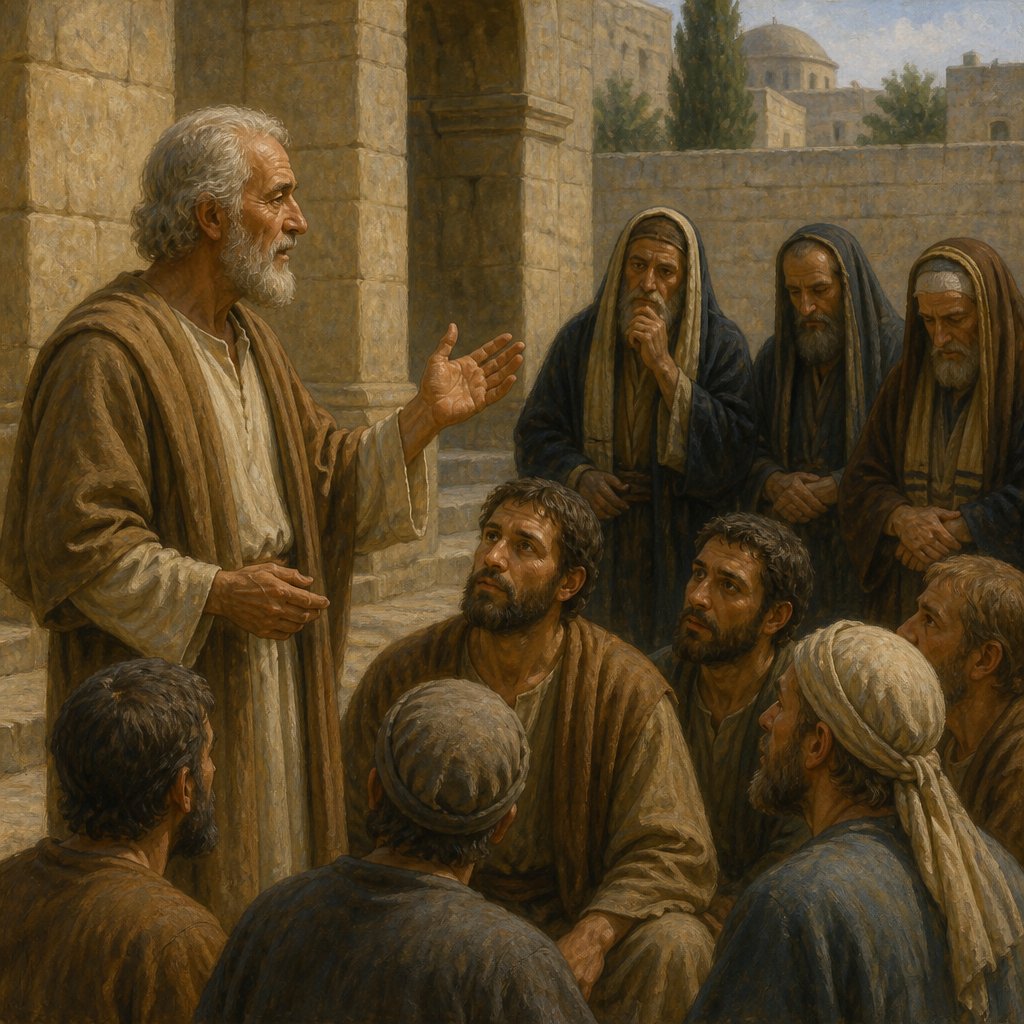
**Scripture Reference: Acts 3:17 (KJV)**
"And now, brethren, I wot that through ignorance ye did it, as did also your rulers."
In this verse, Peter speaks to the gathered people after the miraculous healing of a lame man at the Beautiful Gate of the Temple. His use of the word "ignorance" provides a profound insight into the nature of human sinfulness and the grace that follows it. It’s key to understand the context of this passage, as it not only illustrates the early Church's ministry but also reveals critical truths about the character of God and our own fallibility.
### The Darkness of Ignorance
Peter addressed the crowd with a sense of fraternity, calling them "brethren," as he acknowledged their shared identity, even amidst their failures. His admission that their actions were committed in ignorance offers a discernment that many of us can find relatable. At times, we may act without full comprehension of the consequences, driven by misunderstandings, cultural conditioning, or sheer blind spots.
**Ignorance**—it is a heavy word. It implies a lack of knowledge and a failure to understand the reality of the situation. The people Peter addressed had been complicit in the crucifixion of Jesus, yet he petitions them to view their actions through the lens of their ignorance. We too, often stumble through life, making decisions based on partial truths or misguided beliefs. Such ignorance can lead to significant harm—not just to ourselves, but to others around us.
### Navigating Through Ignorance
However, while ignorance may explain our actions, it does not absolve us of responsibility. Understanding the duality of our nature is pivotal; we are capable of sin and yet, we are called to seek the truth. This calls for humility—an acknowledgment of our limited sight and the earnest desire to see clearly. We live in a world overflowing with information yet palpable confusion; with so many voices clamoring for our attention, discerning the truth can become a daunting task.
Yet, amidst this chaos, there is a promise rooted in God's nature. Peter’s address serves as a reminder that our ignorance is met with God’s grace. In the person of Jesus, God extends forgiveness not based on our understanding but rooted in His love and mercy.
### Moving from Ignorance to Understanding
What does it mean for us to transition from ignorance to understanding? First, we must cultivate a heart that longs for wisdom. James 1:5 tells us, "If any of you lack wisdom, let him ask of God, that giveth to all men liberally, and upbraideth not; and it shall be given him." This promise is an invitation to actively seek God’s wisdom through prayer, scripture, and fellowship with mature believers.
Moreover, we should embark on a journey of self-examination, recognizing where our views, attitudes, or actions might be influenced by ignorance. Ephesians 4:18 warns us against having our understanding darkened, leading to spiritual alienation. Embracing the light of Christ involves not only repentance but also a transformation of our minds.
### The Call of Grace
Peter didn’t leave the people in despair after acknowledging their ignorance; he moved them toward hope. He implored them to turn toward God in repentance so that their sins might be blotted out (Acts 3:19). This is a beautiful echo of our own need for grace. When we recognize our ignorance, it should draw us nearer to the heart of God rather than push us away.
In conclusion, Acts 3:17 serves as both a reminder of our shortcomings and the incredible mercy of our God. In recognizing our ignorance, may we seek depth of knowledge that leads to deeper faith, amen. Let us turn our hearts towards the Father in repentance and seek understanding through His Word, allowing His grace to transform us into instruments of His peace and love in a world desperate for His light.
Get our apps


Artwork for Acts 3:17

Acts 3:17 - "And now, brethren, I wot that through ignorance ye did it, as did also your rulers."
"And now, brethren, I wot that through ignorance ye did it, as did also your rulers." - Acts 3:17

Acts 17:3 - "Opening and alleging, that Christ must needs have suffered, and risen again from the dead; and that this Jesus, whom I preach unto you, is Christ." respectful, symbolic bible verse art

Acts 2:17

Acts 2:17

Acts 2:17

Acts 16:17

Acts 14:17

Acts 17:15

Acts 17:27

Acts 17:2-3 - "As was his custom, Paul went into the synagogue, and on three Sabbath days he reasoned with them from the Scriptures, explaining and proving that the Messiah had to suffer and rise from the dead. "This Jesus I am proclaiming to you is the Messiah," he said."

Acts 17:17 - "Therefore disputed he in the synagogue with the Jews, and with the devout persons, and in the market daily with them that met with him."

Acts 3:16

Acts 3:16

Acts 3:16

Acts 3:16

Acts 17:33 - "So Paul departed from among them."

Acts 8:17 - "Then laid they their hands on them, and they received the Holy Ghost."

Acts 3:6-7

Acts 3:6-7

Acts 3:6-7

Acts 3:6-7

Acts 3:6-7

Acts 17:8 - "And they troubled the people and the rulers of the city, when they heard these things."

Acts 1:17 - "For he was numbered with us, and had obtained part of this ministry."

create an image to show Acts 2:17

Depict the events of Acts 19:14-17

Acts 2;2-3

acts 3 11

Acts 20:17 - "¶ And from Miletus he sent to Ephesus, and called the elders of the church."