The Hidden Beauty of Providence
“In which time Moses was born, and was exceeding fair, and nourished up in his father’s house three months:” — Acts 7:20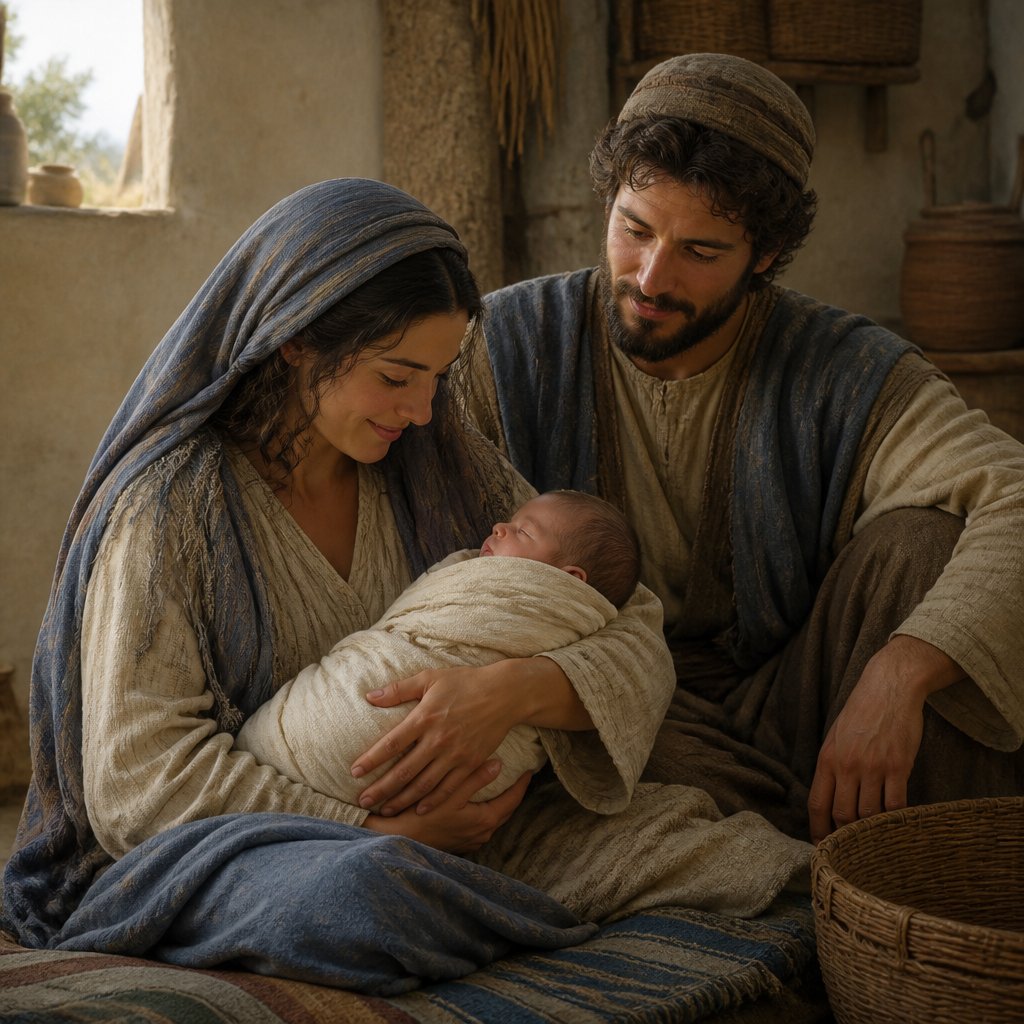
In Acts 7:20, the Word of God states, "In which time Moses was born, and was exceeding fair, and nourished up in his father's house three months." This seemingly simple statement about Moses’ early life conveys profound truths that are essential for our understanding of God’s providential hand at work in our lives and the lives of those He has chosen for His purposes.
Moses, from the very outset of his life, was marked for greatness, chosen to be the deliverer of Israel from bondage. Yet, the circumstances surrounding his birth were fraught with peril. The Israelites were under heavy oppression in Egypt, and Pharaoh had decreed that all male Hebrew children were to be killed at birth. Moses' mother, Jochebed, faced an agonizing decision as she saw that her son was "exceeding fair"—a reflection not only of his physical beauty but potentially a hint of the beauty of God’s plan unfolding in him.
The description of Moses as "exceeding fair" captures more than mere physical attractiveness. It symbolizes a divine purpose and indicates God’s favor. God often calls individuals who possess certain attributes—whether they be physical, intellectual, or characterally pertaining—to fulfill His will. However, more importantly, this verse highlights God’s providence. Moses being nourished in his father’s house for three months indicates a divine nurturing. The three months could represent a time of preparation, where Moses was instilled with values and faith by his family before he faced the uncertainties of life in Pharaoh’s court.
This gives us insight into the significance of family influence during the formative years of our lives. Just as God prepared Moses through his family, so too does He prepare us through our relationships. Whether through our parents, mentors, or spiritual leaders, God uses those around us to instill foundational truths and values that will shape our destinies. We must cherish these relationships and be conscious of our roles within our families—striving to nurture the next generations in faith, kindness, and the truth of God’s Word.
Consider also the context in which Moses was born. He came into a world filled with danger and uncertainty. The attention of Pharaoh was focused on exterminating babies like him. Yet, God orchestrated a means of protection through the faith and bravery of his mother. Whenever life poses threats and fears, we must remember that there is a greater plan at work. God misdirects the evil intentions of the world. The very agency set to dislocate God’s plans can, ironically, become the stage for His miraculous deliverance. Jochebed's act of faith—placing her child into the Nile River in a basket—was an act of desperation met with divine providence. God didn’t just shield Moses from death; He molded his future as a deliverer right from the womb, even when circumstances appeared grim.
As believers, we can find solace in the knowledge that our lives, like Moses’, are woven into God’s tapestry of redemption. When faced with trials, we can be assured that God is at work behind the scenes—often unrecognized but always present. Just as Moses’ beauty was not only to attract attention but to fulfill a divine purpose, so our lives are crafted uniquely for the plans God intends for us.
Moreover, the nurturing that Moses received even for those first three months laid the groundwork for his eventual confrontation with Pharaoh. The teachings, love, and faith he received in that short time played an essential role in equipping him for his mission. As we reflect upon Acts 7:20, let us ask ourselves: What truths and values are we instilling in those around us? Are we nurturing faith in ourselves and others, understanding that each moment is significant in God’s greater design?
In conclusion, let us commit to recognizing God's presence in our lives and in the lives of others, especially in earthly circumstances that feel dire. May we, like Jochebed, act in faith—believing that God will use even the smallest acts of obedience to bring about His purpose in the world. Truly, each moment of nurturing and protection is an integral part of God’s providence, leading to outcomes that glorify Him and fulfill His divine plan.
Get our apps


Artwork for Acts 7:20

Acts 7:20 - "In which time Moses was born, and was exceeding fair, and nourished up in his father's house three months:"
"In which time Moses was born, and was exceeding fair, and nourished up in his father's house three months:" - Acts 7:20

acts 20:7-12

Acts 20:7 - "And upon the first day of the week, when the disciples came together to break bread, Paul preached unto them, ready to depart on the morrow; and continued his speech until midnight."

Acts 20:11

Acts 9:1-20

Acts 9:1-20

Acts 3:6-7

Acts 3:6-7

Acts 20:5 - "These going before tarried for us at Troas."

Acts 3:6-7

Acts 3:6-7

Acts 3:6-7

Acts 19:20 - "So mightily grew the word of God and prevailed."

Acts 20:33 - "I have coveted no man's silver, or gold, or apparel."

Acts 20:12 - "And they brought the young man alive, and were not a little comforted."

Acts 14:7 - "And there they preached the gospel."

Acts 20:17 - "¶ And from Miletus he sent to Ephesus, and called the elders of the church."

Acts 20:20 - "And how I kept back nothing that was profitable unto you, but have shewed you, and have taught you publickly, and from house to house,"

Acts 9:20 - "And straightway he preached Christ in the synagogues, that he is the Son of God."

Acts 5:20 - "Go, stand and speak in the temple to the people all the words of this life."

Acts 20:37 - "And they all wept sore, and fell on Paul's neck, and kissed him,"

Acts 20:8 - "And there were many lights in the upper chamber, where they were gathered together."

Acts 20:27 - "For I have not shunned to declare unto you all the counsel of God."

Acts 18:20 - "When they desired him to tarry longer time with them, he consented not;"

2 Kings 20:20 - "¶ And the rest of the acts of Hezekiah, and all his might, and how he made a pool, and a conduit, and brought water into the city, are they not written in the book of the chronicles of the kings of Judah?"

Acts 4:20 - "For we cannot but speak the things which we have seen and heard."

Acts 7:47 - "But Solomon built him an house."

Acts 3:20 - "And he shall send Jesus Christ, which before was preached unto you:"

Acts 20:14 - "And when he met with us at Assos, we took him in, and came to Mitylene."