Standing Alone: The Weight of Personal Responsibility
“The fathers shall not be put to death for the children, neither shall the children be put to death for the fathers: every man shall be put to death for his own sin.” — Deuteronomy 24:16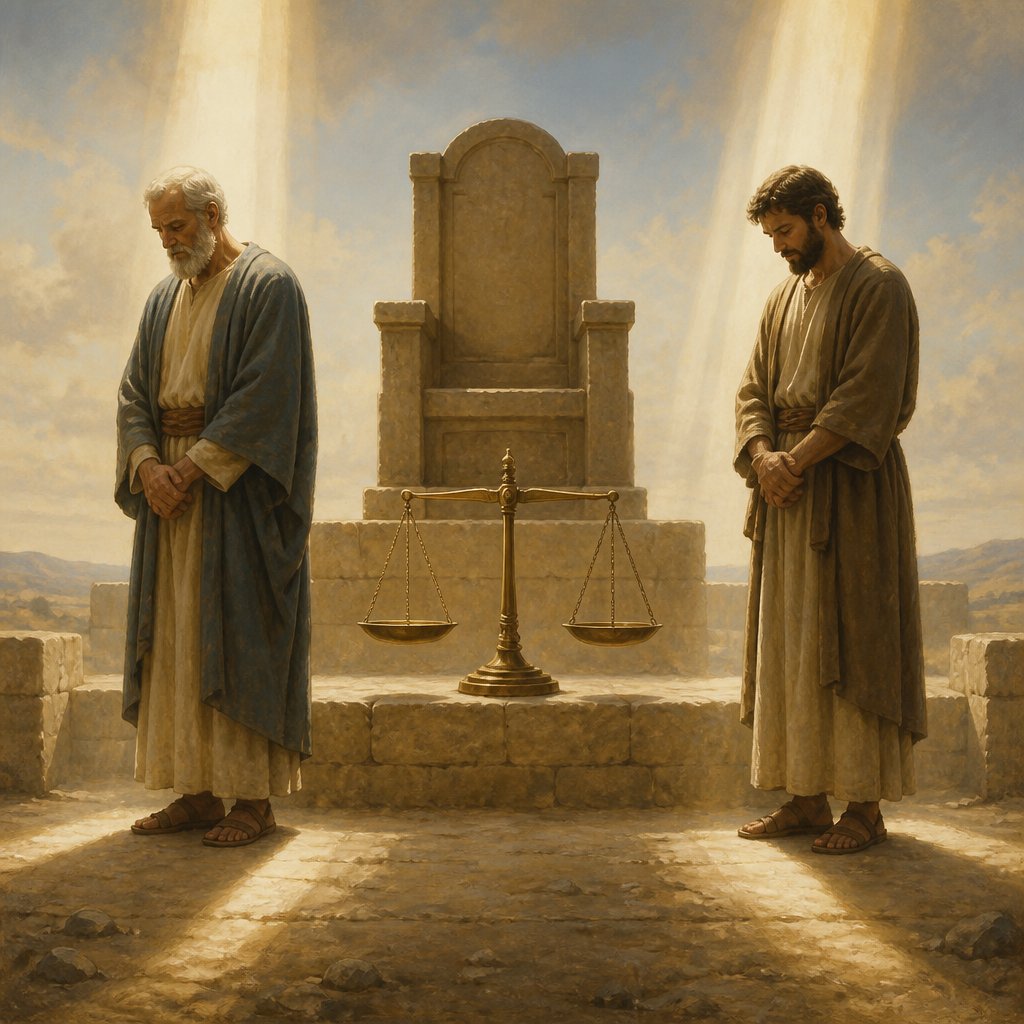
In a world where accountability often feels diluted and blame is shifted with ease, the profound principle articulated in Deuteronomy 24:16 stands powerful and clear: "The fathers shall not be put to death for the children, neither shall the children be put to death for the fathers: every man shall be put to death for his own sin." This verse brings to light one of the foundational truths of scriptural justice—that each individual is responsible for their own actions before God.
The context of this law lies in ancient Israelite society, where family lineage played a significant role, often blurring the lines of personal responsibility. Instead of holding entire families accountable for the sins of one, God established a clear, just standard: each person's guilt or innocence is assessed individually. The weight of such a decree reveals God's deep understanding of humanity and His desire for just governance within the community. Each person is significant in their own right, fully accountable for what they choose to do or not do.
As we apply this verse to modern life, we notice that it eases the burden of collective punishment. More importantly, it calls us to examine how we live our lives, stressing the importance of personal integrity over familial legacy. In an age where individuals may find themselves facing consequences due to the actions of family members, this scripture serves as a solemn reminder that while we may be influenced by our family backgrounds, we are each ultimately held accountable for our own choices.
This biblical principle resonates through the corridors of our morality and spirituality, urging us to consider how we lead our lives in relation to our family and society. We often find ourselves inadvertently carrying the weight of our ancestors' decisions, culture, or community values. Yet, Deuteronomy 24:16 liberates us from the shackles of shared guilt, illuminating that our relationship with God is built not on legacy or lineage but rather on our individual choices and the intent of our hearts.
The implications of this truth are significant. It compels us to cultivate a personal relationship with God, one that is not predicated on parental faith or tradition, but based on our sincere convictions and actions. Consider the reflection of the prodigal son in Luke 15, where the son, despite his father's honorable standing, chooses a path of recklessness, ultimately facing the consequences of his choices regardless of his father's previous lifestyle. The son's return to his father exemplifies personal repentance and accountability, reminding us that our journeys with God must each be navigated individually.
In a broader sense, this principle shapes how we view justice and mercy in our communities. We understand that injustice arises when we overlook the individual in favor of the collective, often leading to unnecessary suffering. As believers, we are called to seek justice, love mercy, and walk humbly with our God (Micah 6:8), recognizing that our responses should always reflect a commitment to truth and righteousness, both personally and within our communities.
Moreover, this verse beckons us to humility and compassion in our judgments of others. Just as each person stands before God for their choices, so too must we extend grace and support to those around us who struggle under the weight of their decisions. Each of us is on a unique journey of redemption, and we ought to encourage one another to seek God's forgiveness and restoration without being quick to condemn based on someone else's past or familial faults.
As you reflect on Deuteronomy 24:16 today, consider the freedom it offers you: the opportunity to own your walk with God without the burden of assumed guilt from those who came before you. Embrace this beautifully liberating truth that we are all accountable for our own sins, and allow it to drive you closer to a more authentic and personal faith journey, one rooted in righteousness and sincere commitment to God's will.
Get our apps


Artwork for Deuteronomy 24:16

Deuteronomy 24:16 - "The fathers shall not be put to death for the children, neither shall the children be put to death for the fathers: every man shall be put to death for his own sin."
"The fathers shall not be put to death for the children, neither shall the children be put to death for the fathers: every man shall be put to death for his own sin." - Deuteronomy 24:16

Deuteronomy 20:16

Deuteronomy 20:16

Deuteronomy 20:16

Deuteronomy 24:12 - "And if the man be poor, thou shalt not sleep with his pledge:"

Deuteronomy 4:24 - "For the LORD thy God is a consuming fire, even a jealous God."

Deuteronomy 14:16 - "The little owl, and the great owl, and the swan,"

Deuteronomy 12:24 - "Thou shalt not eat it; thou shalt pour it upon the earth as water."

Exodus 24:16

Genesis 24-16

Deuteronomy 1:24 - "And they turned and went up into the mountain, and came unto the valley of Eshcol, and searched it out."

Deuteronomy 10:16 - "Circumcise therefore the foreskin of your heart, and be no more stiffnecked."

Deuteronomy 9:24 - "Ye have been rebellious against the LORD from the day that I knew you."

Deuteronomy 27:24 - "Cursed be he that smiteth his neighbour secretly. And all the people shall say, Amen."

Deuteronomy 28:16 - "Cursed shalt thou be in the city, and cursed shalt thou be in the field."
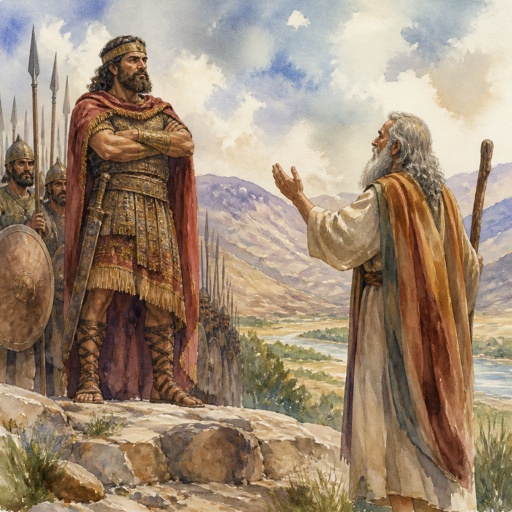
Sihon king of heshbon and Moses in Deuteronomy 2:24-37

Deuteronomy 24:17 - "¶ Thou shalt not pervert the judgment of the stranger, nor of the fatherless; nor take a widow's raiment to pledge:"

Deuteronomy 24:6 - "¶ No man shall take the nether or the upper millstone to pledge: for he taketh a man's life to pledge."

Deuteronomy 24:2 - "And when she is departed out of his house, she may go and be another man's wife."

1 Chronicles 24:16 - "The nineteenth to Pethahiah, the twentieth to Jehezekel,"

Deuteronomy 32:16 - "They provoked him to jealousy with strange gods, with abominations provoked they him to anger."

Deuteronomy 24:21 - "When thou gatherest the grapes of thy vineyard, thou shalt not glean it afterward: it shall be for the stranger, for the fatherless, and for the widow."

Deuteronomy 24:22 - "And thou shalt remember that thou wast a bondman in the land of Egypt: therefore I command thee to do this thing."

Deuteronomy 31:24 - "¶ And it came to pass, when Moses had made an end of writing the words of this law in a book, until they were finished,"

Matthew 24:16 - "Then let them which be in Judaea flee into the mountains:"

Luke 24:16 - "But their eyes were holden that they should not know him."

Deuteronomy 6:16 - "¶ Ye shall not tempt the LORD your God, as ye tempted him in Massah."

Proverbs 16:24 - "Pleasant words are as an honeycomb, sweet to the soul, and health to the bones."

Deuteronomy 19:16 - "¶ If a false witness rise up against any man to testify against him that which is wrong;"