What does Deuteronomy 24:16 mean?
“The fathers shall not be put to death for the children, neither shall the children be put to death for the fathers: every man shall be put to death for his own sin.” — Deuteronomy 24:16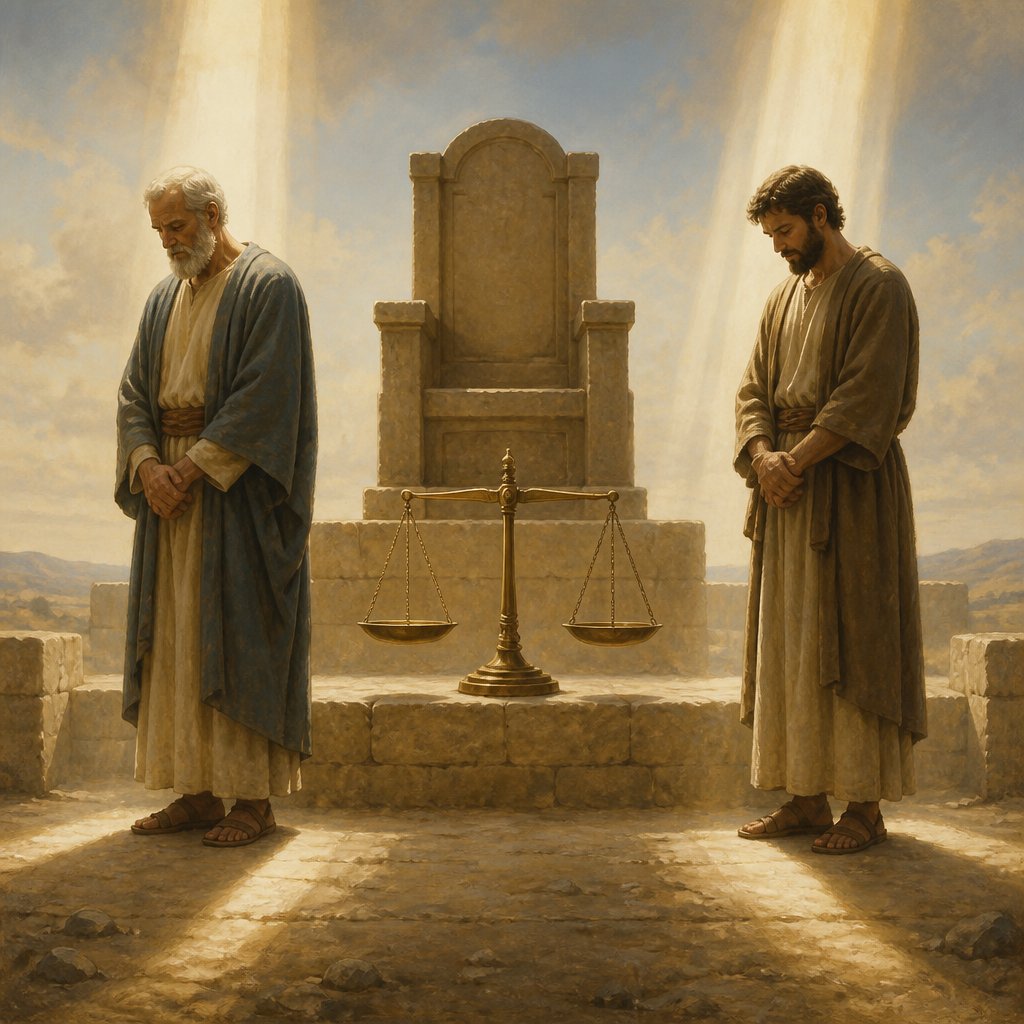
Deuteronomy 24:16 from the King James Version (KJV) of the Bible states, “The fathers shall not be put to death for the children, neither shall the children be put to death for the fathers: every man shall be put to death for his own sin.” This verse is part of the Laws of Justice and Mercy found in the book of Deuteronomy, which is the fifth book of the Hebrew Bible and the Christian Old Testament. These laws were given by God to Moses in the wilderness as the people of Israel were preparing to enter the Promised Land.
The verse itself is a principle of justice that teaches individual responsibility for one’s own actions. It asserts that no one should be punished for the actions of another, and that each person is accountable for their own behavior. This concept of personal responsibility is foundational to the moral and legal framework of the Bible.
The context of this verse is significant in understanding its meaning. In ancient times, it was not uncommon for entire families or even entire tribes to be punished for the actions of one member. This verse challenges that prevailing notion and establishes a new standard of justice that values the individual. It reflects the divine wisdom and fairness of God, who judges each person according to their own deeds rather than imposing a collective punishment.
One of the key themes of Deuteronomy 24:16 is justice. The verse emphasizes the importance of fair and equitable treatment for all individuals, regardless of their familial or social connections. It stands in opposition to unjust practices such as blood feuds or vendettas, which were common in the ancient world. By declaring that each person is to be held accountable for their own actions, the verse promotes the idea of a just and righteous society.
Furthermore, this verse also highlights the concept of mercy. While it underscores personal accountability, it also implies that individuals should be granted the opportunity for redemption and forgiveness. The principle of individual responsibility does not preclude the possibility of repentance and reconciliation. This aligns with the overarching message of the Bible, which is one of grace and redemption.
Symbolically, Deuteronomy 24:16 foreshadows the ultimate act of justice and mercy through the sacrifice of Jesus Christ. In Christian theology, Jesus is seen as the atoning sacrifice for the sins of humanity, taking upon himself the punishment that was rightfully ours. This verse, therefore, points to the redemptive work of Christ and the individual’s need for forgiveness and salvation.
In addition to its moral and theological implications, Deuteronomy 24:16 can also be applied in a broader societal context. It has direct relevance to contemporary issues of justice and accountability, particularly in the legal and judicial systems. The verse serves as a reminder that the core principles of justice and mercy are timeless and universal, and should be upheld in all aspects of human relations.
In conclusion, Deuteronomy 24:16 from the King James Version of the Bible encapsulates profound ethical and theological truths that have far-reaching implications. It establishes the principle of individual responsibility, promotes a vision of justice and mercy, and points to the redemptive work of Jesus Christ. This verse continues to serve as a timeless guide for moral and legal conduct, challenging individuals and societies to uphold the values of fairness, accountability, and grace.
Get our apps


Artwork for Deuteronomy 24:16

Deuteronomy 24:16 - "The fathers shall not be put to death for the children, neither shall the children be put to death for the fathers: every man shall be put to death for his own sin."
"The fathers shall not be put to death for the children, neither shall the children be put to death for the fathers: every man shall be put to death for his own sin." - Deuteronomy 24:16

Deuteronomy 20:16

Deuteronomy 20:16

Deuteronomy 20:16

Deuteronomy 24:12 - "And if the man be poor, thou shalt not sleep with his pledge:"

Deuteronomy 4:24 - "For the LORD thy God is a consuming fire, even a jealous God."

Deuteronomy 14:16 - "The little owl, and the great owl, and the swan,"

Deuteronomy 12:24 - "Thou shalt not eat it; thou shalt pour it upon the earth as water."

Exodus 24:16

Genesis 24-16

Deuteronomy 1:24 - "And they turned and went up into the mountain, and came unto the valley of Eshcol, and searched it out."

Deuteronomy 10:16 - "Circumcise therefore the foreskin of your heart, and be no more stiffnecked."

Deuteronomy 9:24 - "Ye have been rebellious against the LORD from the day that I knew you."

Deuteronomy 27:24 - "Cursed be he that smiteth his neighbour secretly. And all the people shall say, Amen."

Deuteronomy 28:16 - "Cursed shalt thou be in the city, and cursed shalt thou be in the field."
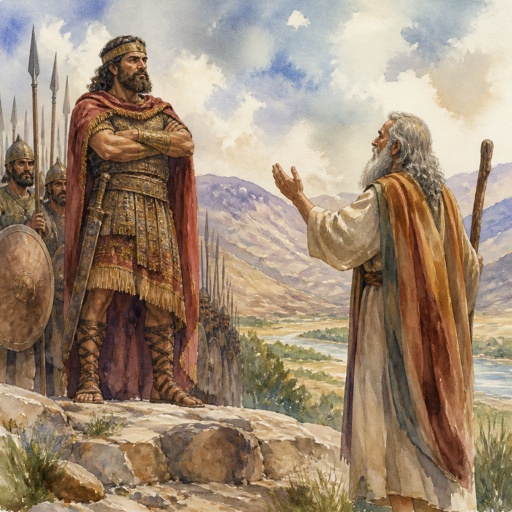
Sihon king of heshbon and Moses in Deuteronomy 2:24-37

Deuteronomy 24:17 - "¶ Thou shalt not pervert the judgment of the stranger, nor of the fatherless; nor take a widow's raiment to pledge:"

Deuteronomy 24:6 - "¶ No man shall take the nether or the upper millstone to pledge: for he taketh a man's life to pledge."

Deuteronomy 24:2 - "And when she is departed out of his house, she may go and be another man's wife."

1 Chronicles 24:16 - "The nineteenth to Pethahiah, the twentieth to Jehezekel,"

Deuteronomy 32:16 - "They provoked him to jealousy with strange gods, with abominations provoked they him to anger."

Deuteronomy 24:21 - "When thou gatherest the grapes of thy vineyard, thou shalt not glean it afterward: it shall be for the stranger, for the fatherless, and for the widow."

Deuteronomy 24:22 - "And thou shalt remember that thou wast a bondman in the land of Egypt: therefore I command thee to do this thing."

Deuteronomy 31:24 - "¶ And it came to pass, when Moses had made an end of writing the words of this law in a book, until they were finished,"

Matthew 24:16 - "Then let them which be in Judaea flee into the mountains:"

Luke 24:16 - "But their eyes were holden that they should not know him."

Deuteronomy 6:16 - "¶ Ye shall not tempt the LORD your God, as ye tempted him in Massah."

Proverbs 16:24 - "Pleasant words are as an honeycomb, sweet to the soul, and health to the bones."

Deuteronomy 19:16 - "¶ If a false witness rise up against any man to testify against him that which is wrong;"