Delivered from the Furnace: A Reflection on Divine Redemption
“But the LORD hath taken you, and brought you forth out of the iron furnace, even out of Egypt, to be unto him a people of inheritance, as ye are this day.” — Deuteronomy 4:20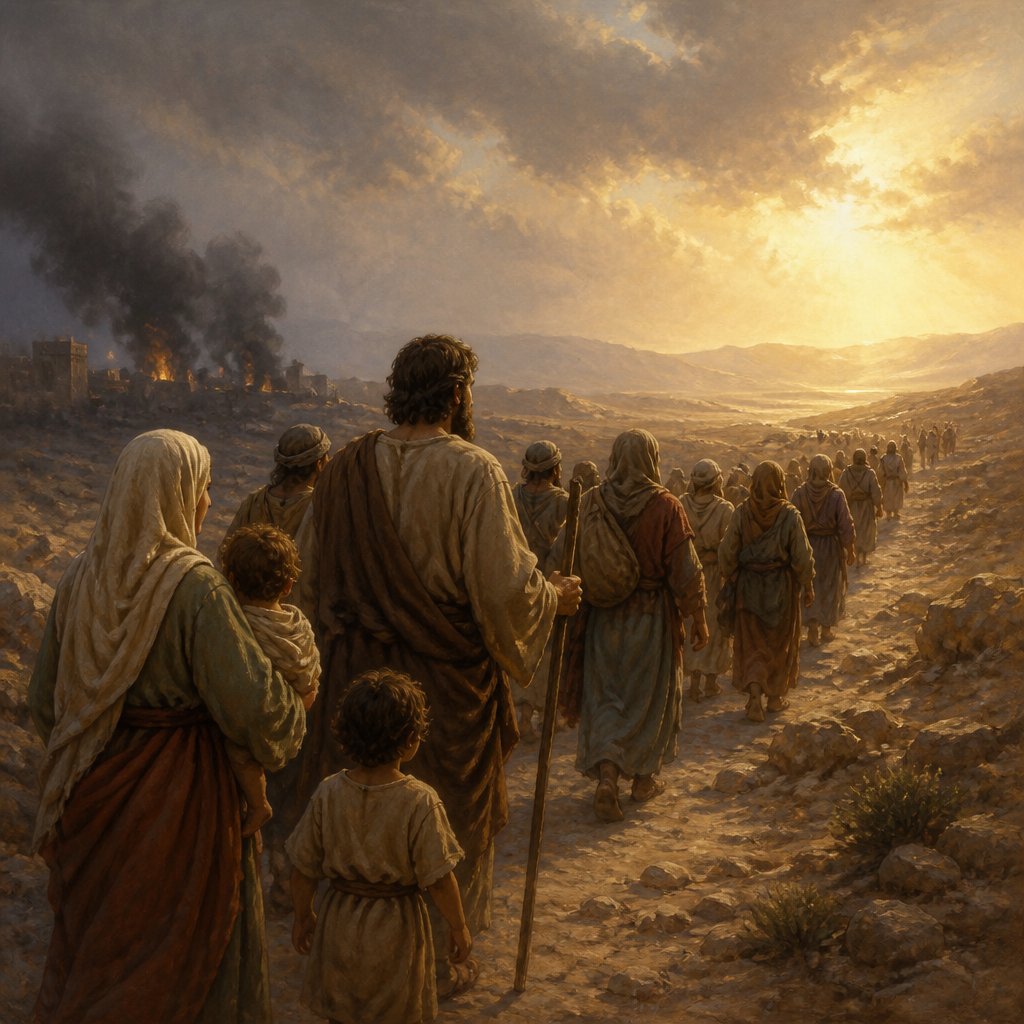
Deuteronomy 4:20 declares, "But the LORD hath taken you, and brought you forth out of the iron furnace, even out of Egypt, to be unto him a people of inheritance, as ye are this day." This powerful verse encapsulates God's redemptive work in the life of Israel and offers profound insights for our own lives today.
As we delve into the context of this verse, we recognize that it was spoken by Moses to the Israelites, who had endured four centuries of bondage in Egypt. The term "iron furnace" vividly depicts their suffering and enslavement—harsh, oppressive, and unforgiving. Iron, a material known for its strength, metaphorically emphasizes the severity of their trials. Yet, despite the intensity of their suffering, the narrative shifts to a moment of triumph; God did not abandon His people in their despair.
God’s act of delivering Israel out of Egypt signifies not only liberation from physical chains but also a deeper spiritual awakening. In essence, the Israelites were liberated for a purpose: to be a chosen people, set apart for God. This notion of an inheritance binds the community of faith together across ages. As believers today, we also share in that inheritance through Christ, who guides us out of our own metaphorical furnaces—furnaces of sin, despair, and isolation.
The phrase “to be unto him a people of inheritance” is rich with implications. Firstly, it identifies the covenantal relationship God desires with humanity. God is not merely a deliverer; He yearns for a connection based on love, respect, and dedication. Just as Israel was called to be His people, we are equally called to reflect His nature and character in our lives. This connection results in a life of purpose, where believers are charged with the compelling mission to exhibit God’s glory to the world.
The imagery of inheritance further implies value, belonging, and promise. When God claims us as His people, He endows us with an identity that speaks of His love and faithfulness. In Romans 8:17, it is affirmed that as heirs with Christ, we are destined for greatness in the Kingdom of God. This inheritance is not necessarily monetary; rather, it encompasses the richness of spiritual life, eternal hope, and communal unity in Christ.
Reflecting on our own journeys, it is vital to consider what "the iron furnace" represents in our lives. Each of us carries stories of trials and tribulations—whether they stem from addiction, mental health struggles, loss, or relational strife. Like the Israelites, we may feel that the weight of our circumstances holds us captive. Yet, God’s invitation continues to echo: He wishes to bring us forth from our personal Egypts. Just as He heard the cries of His people in Exodus, He hears ours today, moving us from despair to deliverance.
This transition is essential for understanding the holistic nature of salvation. It beckons us not only to acknowledge our past sufferings but also to engage actively in the transformative work God seeks to accomplish within us. Are we willing to exit the furnace? When we let go of our old identities formed in pain and emerge as those who bear the mark of God’s grace, we enter a life infused with hope, promise, and purpose.
As we meditate on Deuteronomy 4:20, let us pause and celebrate the transformative power of God’s love. In gratitude, we can respond to His invitation with obedience, allowing Him to guide us into the fullness of our identity as His cherished inheritance. Let us be a people who, like Israel, rise from the ashes of our past and step forward into the roles God has prepared for us as lights in a dark world.
Today, reflect on God’s deliverance in your own life. Identify the areas where you need to be freed from your personal iron furnace. Trust in the promise that He desires not only to liberate but also to transform you into a vessel for His purpose.
Get our apps


Artwork for Deuteronomy 4:20

Deuteronomy 4:20 - "But the LORD hath taken you, and brought you forth out of the iron furnace, even out of Egypt, to be unto him a people of inheritance, as ye are this day."
"But the LORD hath taken you, and brought you forth out of the iron furnace, even out of Egypt, to be unto him a people of inheritance, as ye are this day." - Deuteronomy 4:20

Deuteronomy 20:4 - "For the LORD your God is he that goeth with you, to fight for you against your enemies, to save you."

Deuteronomy 20:16

Deuteronomy 20:16

Deuteronomy 20:16
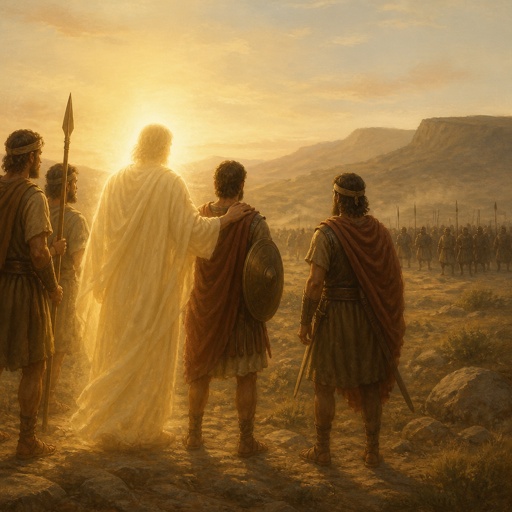
"For the LORD your God is he that goeth with you, to fight for you against your enemies, to save you." - Deuteronomy 20:4

Create a picture of Deuteronomy 11:20

Deuteronomy 22:20 - "But if this thing be true, and the tokens of virginity be not found for the damsel:"

Deuteronomy 14:20 - "But of all clean fowls ye may eat."

Deuteronomy 5:20 - "Neither shalt thou bear false witness against thy neighbour."

Deuteronomy 26:4-10

Deuteronomy 20:12 - "And if it will make no peace with thee, but will make war against thee, then thou shalt besiege it:"

Deuteronomy 26:4-10

Deuteronomy 20:10 - "¶ When thou comest nigh unto a city to fight against it, then proclaim peace unto it."

Deuteronomy 4:4 - "But ye that did cleave unto the LORD your God are alive every one of you this day."

Deuteronomy 11:20 - "And thou shalt write them upon the door posts of thine house, and upon thy gates:"

Deuteronomy 20:20 - "Only the trees which thou knowest that they be not trees for meat, thou shalt destroy and cut them down; and thou shalt build bulwarks against the city that maketh war with thee, until it be subdued."

Deuteronomy 20:2 - "And it shall be, when ye are come nigh unto the battle, that the priest shall approach and speak unto the people,"

Deuteronomy 9:20 - "And the LORD was very angry with Aaron to have destroyed him: and I prayed for Aaron also the same time."

Deuteronomy 2:20 - "(That also was accounted a land of giants: giants dwelt therein in old time; and the Ammonites call them Zamzummims;"

Deuteronomy 34:1-4 – Moses views the Promised Land from Mount Nebo.

Deuteronomy 34:1-4 – Moses views the Promised Land from Mount Nebo.

Deuteronomy 34:1-4 – Moses views the Promised Land from Mount Nebo.

1 Corinthians 4:20

1 Corinthians 4:20

Deuteronomy 19:20 - "And those which remain shall hear, and fear, and shall henceforth commit no more any such evil among you."

Deuteronomy 33:20 - "¶ And of Gad he said, Blessed be he that enlargeth Gad: he dwelleth as a lion, and teareth the arm with the crown of the head."

"But of all clean fowls ye may eat." - Deuteronomy 14:20

"But if this thing be true, and the tokens of virginity be not found for the damsel:" - Deuteronomy 22:20