What does Deuteronomy 4:20 mean?
“But the LORD hath taken you, and brought you forth out of the iron furnace, even out of Egypt, to be unto him a people of inheritance, as ye are this day.” — Deuteronomy 4:20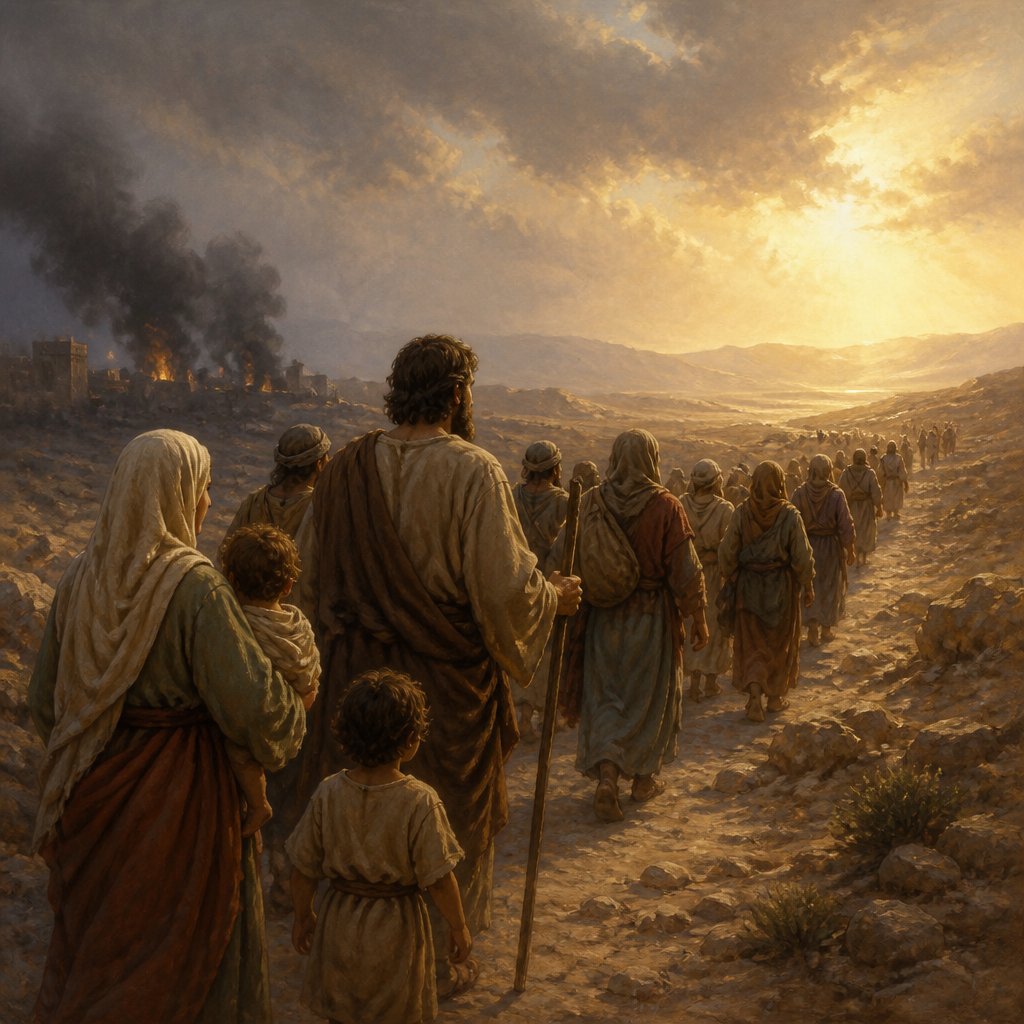
Deuteronomy 4:20 (KJV) states, "But the Lord hath taken you, and brought you forth out of the iron furnace, even out of Egypt, to be unto him a people of inheritance, as ye are this day." This verse holds great significance in the context of the Old Testament and the history of the Israelites.
To fully understand the meaning behind this verse, it is important to consider it within the broader context of the book of Deuteronomy. This book is essentially a series of speeches given by the prophet Moses to the Israelites as they prepare to enter the Promised Land. In these speeches, Moses reminds the Israelites of their history, the laws given to them by God, and the covenant they have made with Him.
In verse 20, Moses is reminding the Israelites of the difficult journey they have undergone. He refers to their time in Egypt as an "iron furnace," alluding to the harsh and oppressive conditions they faced as slaves under the rule of the Pharaoh. The imagery of the iron furnace serves as a powerful metaphor for the suffering and hardship the Israelites endured during their time in Egypt.
However, the verse also speaks to the deliverance and redemption that God has provided for the Israelites. It emphasizes that it was the Lord who "hath taken you, and brought you forth out of the iron furnace." This highlights the divine intervention and miraculous power of God in rescuing His people from their oppressive circumstances. The imagery of being brought out of the iron furnace serves as a symbol of liberation and freedom from bondage.
Furthermore, the verse underscores the purpose behind God's deliverance of the Israelites. They were not just saved for the sake of it, but rather, to fulfill a greater destiny. God brought them out of Egypt "to be unto him a people of inheritance." This signifies that the Israelites were chosen by God to be His own special possession, a people set apart for His purposes. They were to inherit God's promises and blessings, and to live according to His commandments and statutes.
The verse concludes by affirming the present reality of the Israelites as God's chosen people. Moses declares, "as ye are this day," emphasizing the ongoing relationship between God and the Israelites. This serves as a reminder to the Israelites of their identity and calling as God's people, and their responsibility to remain faithful to Him.
The themes present in this verse are profound and impactful. It speaks to the themes of redemption, liberation, and God's faithfulness. It conveys the idea that God is a deliverer who rescues His people from bondage and oppression, and leads them into a new and promised future. It also emphasizes the concept of divine election and the special relationship between God and His chosen people.
Moreover, the verse holds symbolic significance within the broader biblical narrative. The imagery of the iron furnace and the exodus from Egypt are recurring motifs throughout the Old Testament, representing the idea of God's deliverance and the establishment of a covenant with His people. The Israelites' journey from bondage to freedom becomes a powerful symbol of spiritual liberation and the fulfillment of God's promises.
In conclusion, Deuteronomy 4:20 (KJV) is a verse rich in meaning and symbolism, highlighting the themes of deliverance, divine election, and the covenant relationship between God and His people. It serves as a powerful testament to the faithfulness of God and His unending love for His chosen ones. This verse continues to resonate with believers today, reminding them of God's redemptive work and His calling for them to live as His people of inheritance.
Get our apps


Artwork for Deuteronomy 4:20

Deuteronomy 4:20 - "But the LORD hath taken you, and brought you forth out of the iron furnace, even out of Egypt, to be unto him a people of inheritance, as ye are this day."
"But the LORD hath taken you, and brought you forth out of the iron furnace, even out of Egypt, to be unto him a people of inheritance, as ye are this day." - Deuteronomy 4:20

Deuteronomy 20:4 - "For the LORD your God is he that goeth with you, to fight for you against your enemies, to save you."

Deuteronomy 20:16

Deuteronomy 20:16

Deuteronomy 20:16
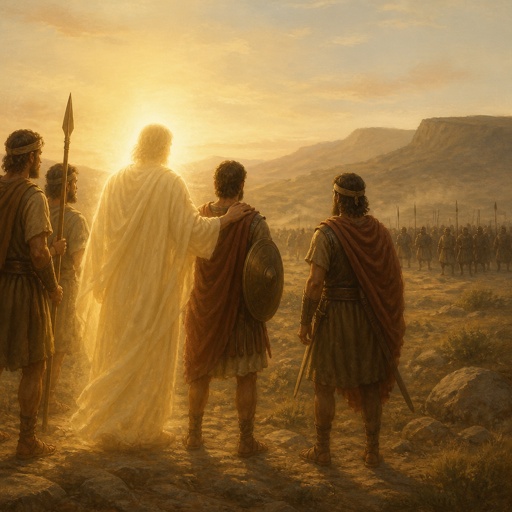
"For the LORD your God is he that goeth with you, to fight for you against your enemies, to save you." - Deuteronomy 20:4

Create a picture of Deuteronomy 11:20

Deuteronomy 22:20 - "But if this thing be true, and the tokens of virginity be not found for the damsel:"

Deuteronomy 14:20 - "But of all clean fowls ye may eat."

Deuteronomy 5:20 - "Neither shalt thou bear false witness against thy neighbour."

Deuteronomy 26:4-10

Deuteronomy 20:12 - "And if it will make no peace with thee, but will make war against thee, then thou shalt besiege it:"

Deuteronomy 26:4-10

Deuteronomy 20:10 - "¶ When thou comest nigh unto a city to fight against it, then proclaim peace unto it."

Deuteronomy 4:4 - "But ye that did cleave unto the LORD your God are alive every one of you this day."

Deuteronomy 11:20 - "And thou shalt write them upon the door posts of thine house, and upon thy gates:"

Deuteronomy 20:20 - "Only the trees which thou knowest that they be not trees for meat, thou shalt destroy and cut them down; and thou shalt build bulwarks against the city that maketh war with thee, until it be subdued."

Deuteronomy 20:2 - "And it shall be, when ye are come nigh unto the battle, that the priest shall approach and speak unto the people,"

Deuteronomy 9:20 - "And the LORD was very angry with Aaron to have destroyed him: and I prayed for Aaron also the same time."

Deuteronomy 2:20 - "(That also was accounted a land of giants: giants dwelt therein in old time; and the Ammonites call them Zamzummims;"

Deuteronomy 34:1-4 – Moses views the Promised Land from Mount Nebo.

Deuteronomy 34:1-4 – Moses views the Promised Land from Mount Nebo.

Deuteronomy 34:1-4 – Moses views the Promised Land from Mount Nebo.

1 Corinthians 4:20

1 Corinthians 4:20

Deuteronomy 19:20 - "And those which remain shall hear, and fear, and shall henceforth commit no more any such evil among you."

Deuteronomy 33:20 - "¶ And of Gad he said, Blessed be he that enlargeth Gad: he dwelleth as a lion, and teareth the arm with the crown of the head."

"But of all clean fowls ye may eat." - Deuteronomy 14:20

"But if this thing be true, and the tokens of virginity be not found for the damsel:" - Deuteronomy 22:20