Honoring Our Parents: A Divine Commandment with Lasting Impact
“Honour thy father and thy mother, as the LORD thy God hath commanded thee; that thy days may be prolonged, and that it may go well with thee, in the land which the LORD thy God giveth thee.” — Deuteronomy 5:16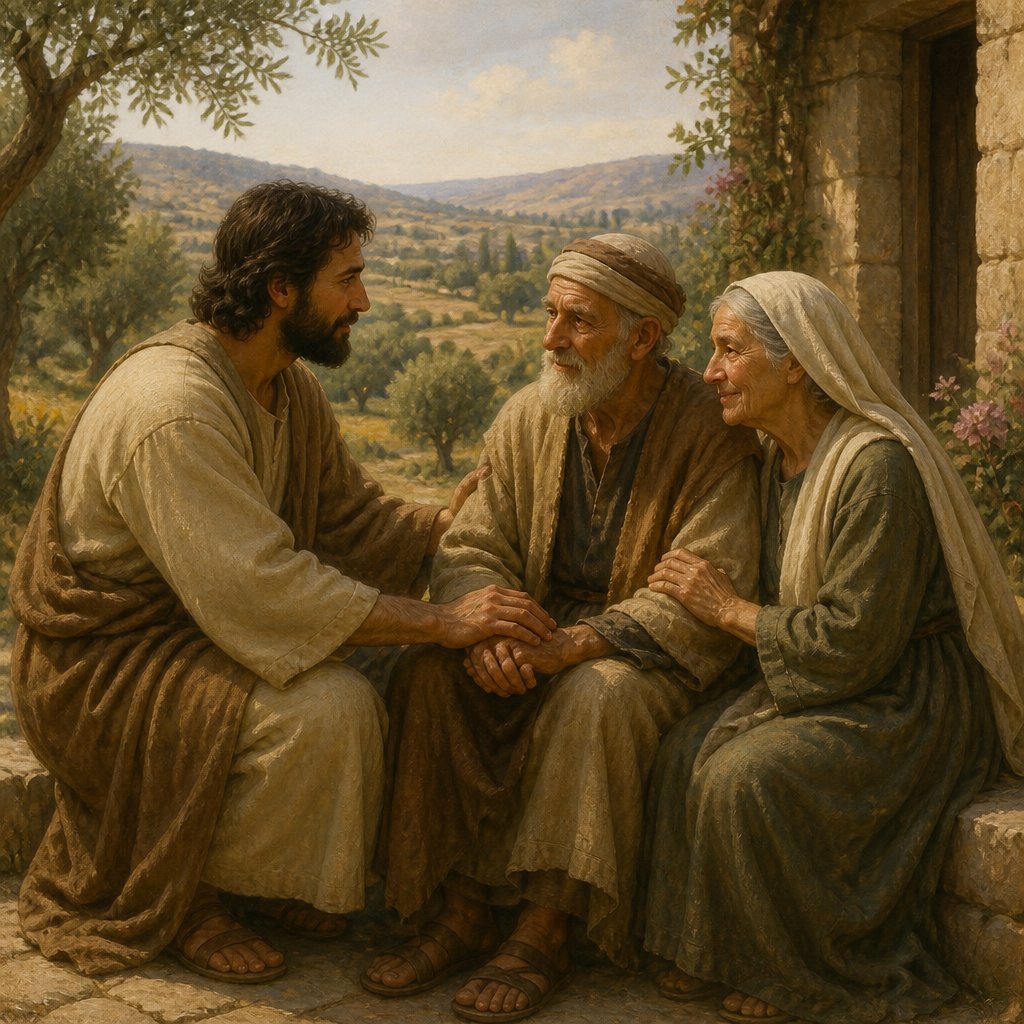
In Deuteronomy 5:16, we encounter a powerful and straightforward command from God: "Honour thy father and thy mother, as the LORD thy God hath commanded thee; that thy days may be prolonged, and that it may go well with thee, in the land which the LORD thy God giveth thee." At first glance, this verse may seem like just another directive within a list of laws, but upon closer examination, we realize that it carries profound implications for our lives.
**The Divine Commandment**
We often hear this verse quoted in various contexts, yet its significance is perhaps not fully grasped by many. "Honour" in this context is a call to show respect, love, and obedience toward our parents. It is a commandment that reflects the heart of God for family and societal structure. Throughout the scriptures, the act of honoring one’s parents is woven into the fabric of divine instruction, indicating its importance in God’s eyes.
In a culture that often dismisses the wisdom and authority of the older generation, it is crucial to reflect on what honoring our parents truly means. In the Bible, honor is not simply about compliance; it involves cherishing and valuing our parents as God's appointed authorities in our lives. This commandment is crucial in establishing the boundaries of respect and dignity within the family unit and society.
**A Promise Attached**
The latter part of the verse reveals that this command comes with a promise: "that thy days may be prolonged, and that it may go well with thee." This assurance is profound; it promises a direct correlation between our relationship with our parents and the quality and duration of our lives. When we honor our parents, we invite blessings into our lives. The implications of this are vast — honoring our parents fosters stronger familial relationships, encourages moral development, and produces a healthier society.
Consider for a moment the impact of honoring our parents on our lives. How often do we face difficulties that stem from broken familial relationships? The absence of honor and respect can lead to dysfunction, which can echo through generations. When we choose to honor our parents, we create a legacy of respect and love that can influence our children and beyond. This promise serves as a reminder that our actions have consequences, not only for us but for those who come after us.
**The Practical Application**
Honoring our parents does not always come easily. Many of us may have strained relationships with our parents, whether due to disagreements, past hurts, or misunderstandings. Yet, God’s command transcends our emotions and circumstances. We must remember that honoring our parents means striving toward forgiveness and understanding, as well as recognizing their sacrifices and contributions to our lives.
This practical application can manifest in various forms: spending time with them, listening to their wisdom, and caring for them as they age. It can also mean addressing past grievances and working toward reconciliation. As we honor our parents, we begin to understand the depth of God’s love and understanding for us — flawed yet cherished.
**Reflecting on Our Relationship**
As we reflect on Deuteronomy 5:16, let us ask ourselves: "How am I honoring my parents today? Am I upholding this commandment in my actions, attitudes, and words?"
We are called not just to obey this commandment out of obligation but to embrace it as a vital part of our faith journey. Our parents have shaped who we are, and by honoring them, we affirm God's design for family and reflect His love in tangible ways.
**Conclusion**
In closing, let this commandment from Deuteronomy challenge us to elevate our perspective on honoring our parents. As we seek to live a life that pleases God, let us remember the promise that accompanies our obedience. Let us honor our parents wholeheartedly, knowing that in doing so, we cultivate a spirit of respect, gratitude, and grace that resonates within our families and beyond, leading to a life that is truly blessed.
Get our apps


Artwork for Deuteronomy 5:16

Deuteronomy 5:16 - "¶ Honour thy father and thy mother, as the LORD thy God hath commanded thee; that thy days may be prolonged, and that it may go well with thee, in the land which the LORD thy God giveth thee."
"¶ Honour thy father and thy mother, as the LORD thy God hath commanded thee; that thy days may be prolonged, and that it may go well with thee, in the land which the LORD thy God giveth thee." - Deuteronomy 5:16

Deuteronomy 16:5 - "Thou mayest not sacrifice the passover within any of thy gates, which the LORD thy God giveth thee:"

Deuteronomy 20:16

Deuteronomy 20:16

Deuteronomy 20:16

"Thou mayest not sacrifice the passover within any of thy gates, which the LORD thy God giveth thee:" - Deuteronomy 16:5

Deuteronomy 14:16 - "The little owl, and the great owl, and the swan,"
Deuteronomy 5 pictures

Deuteronomy 10:16 - "Circumcise therefore the foreskin of your heart, and be no more stiffnecked."

Deuteronomy 5:17 - "Thou shalt not kill."

Deuteronomy 34:5-6

Deuteronomy 28:16 - "Cursed shalt thou be in the city, and cursed shalt thou be in the field."

Deuteronomy 5:19 - "Neither shalt thou steal."

Deuteronomy 5:18 - "Neither shalt thou commit adultery."

Deuteronomy 28:5 - "Blessed shall be thy basket and thy store."

Deuteronomy 32:16 - "They provoked him to jealousy with strange gods, with abominations provoked they him to anger."

Deuteronomy 5:2 - "The LORD our God made a covenant with us in Horeb."

Deuteronomy 6:16 - "¶ Ye shall not tempt the LORD your God, as ye tempted him in Massah."

Deuteronomy 5:30 - "Go say to them, Get you into your tents again."

Deuteronomy 19:16 - "¶ If a false witness rise up against any man to testify against him that which is wrong;"

Deuteronomy 16:12 - "And thou shalt remember that thou wast a bondman in Egypt: and thou shalt observe and do these statutes."

Deuteronomy 25:16 - "For all that do such things, and all that do unrighteously, are an abomination unto the LORD thy God."

Deuteronomy 12:16 - "Only ye shall not eat the blood; ye shall pour it upon the earth as water."

"Thou shalt not kill." - Deuteronomy 5:17

Deuteronomy 5:7 - "Thou shalt have none other gods before me."

Deuteronomy 5:13 - "Six days thou shalt labour, and do all thy work:"

Deuteronomy 1:5 - "On this side Jordan, in the land of Moab, began Moses to declare this law, saying,"

Deuteronomy 2:16 - "¶ So it came to pass, when all the men of war were consumed and dead from among the people,"

Deuteronomy 27:16 - "Cursed be he that setteth light by his father or his mother. And all the people shall say, Amen."