What does Deuteronomy 5:16 mean?
“Honour thy father and thy mother, as the LORD thy God hath commanded thee; that thy days may be prolonged, and that it may go well with thee, in the land which the LORD thy God giveth thee.” — Deuteronomy 5:16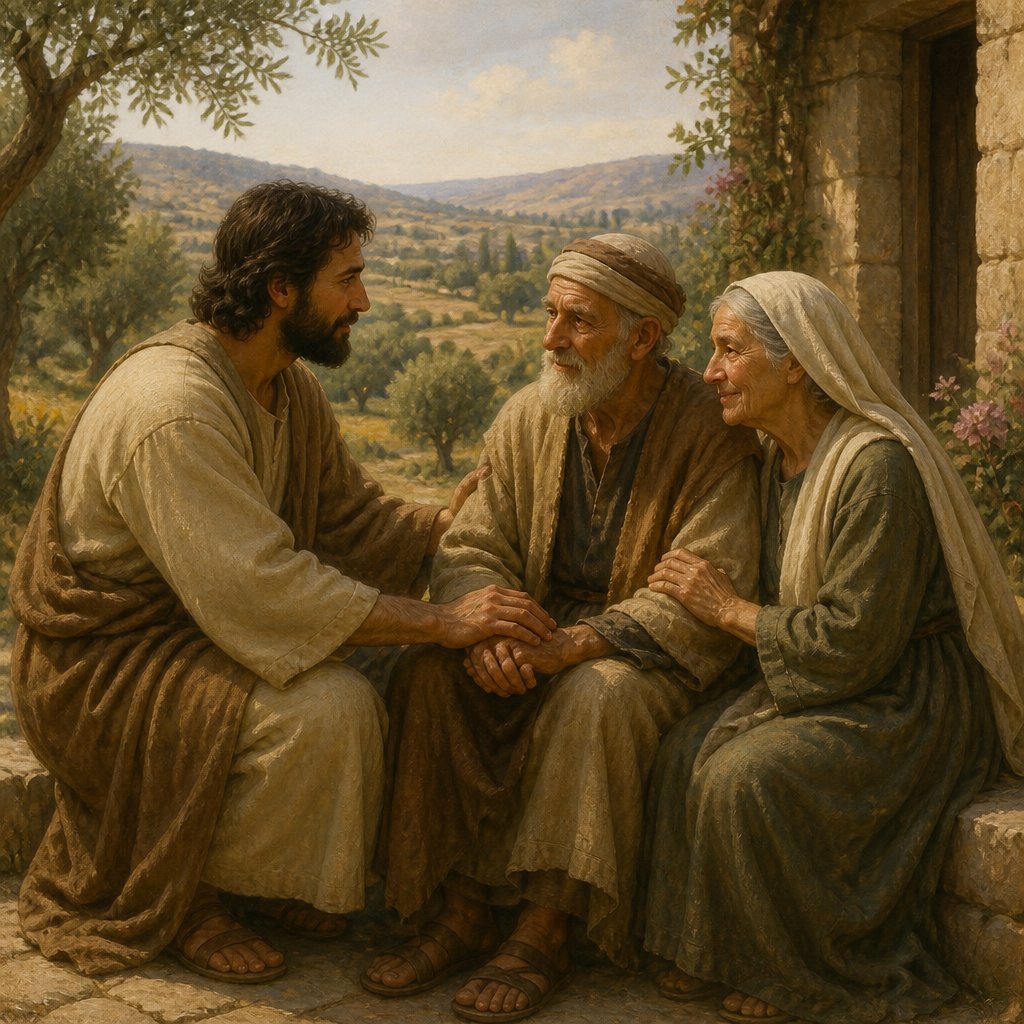
Deuteronomy 5:16 (KJV) states, "Honour thy father and thy mother, as the Lord thy God hath commanded thee; that thy days may be prolonged, and that it may go well with thee, in the land which the Lord thy God giveth thee." This verse is part of the Ten Commandments, which were given by God to the Israelites through Moses. It is a foundational principle not only for the Israelites but for all of humanity, as it addresses the dynamics of the family and the importance of honoring one's parents.
The command to honor one's father and mother is a timeless and universal principle that transcends cultural and historical boundaries. It is a fundamental building block of society, as the family is the basic unit of every community. The relationship between parents and children is essential for the well-being of individuals and the stability of society as a whole. By honoring and respecting their parents, children learn important values such as obedience, gratitude, and humility, which are crucial for their personal development and social integration.
The context of this verse is significant, as it comes immediately after the commandment to keep the Sabbath day holy. This juxtaposition is not a coincidence, as it highlights the importance of both the spiritual and the familial aspects of life. By honoring their parents, the Israelites were not only fulfilling a moral obligation but also demonstrating their obedience to God's will. This connection between honoring one's parents and honoring God is a recurring theme throughout the Bible, emphasizing the link between one's earthly relationships and one's relationship with the divine.
The promise attached to this commandment is also noteworthy. The verse states that by honoring their parents, individuals will have their days prolonged and that it may go well with them in the land that God has given them. This promise reflects the idea of divine blessing and prosperity as a reward for obedience and righteousness. It also conveys the belief that God's blessings are often mediated through human relationships and societal structures. In other words, the well-being of individuals and the community is closely tied to the extent to which they uphold the values of honor and respect within the family.
Symbolically, the commandment to honor one's parents represents the broader concept of authority and submission. Throughout the Bible, the relationship between parents and children serves as a metaphor for the relationship between God and humanity. Just as children are called to honor their parents, so are all individuals called to honor and obey God. The family unit reflects the divine order of authority and submission, where God is the ultimate authority and humans are called to submit to His will. By honoring their parents, individuals are practicing their obedience to God and acknowledging His authority over their lives.
In addition to its spiritual significance, this verse also has practical implications for the well-being of families and societies. The breakdown of the family unit and the erosion of parent-child relationships have been identified as contributing factors to social problems such as delinquency, substance abuse, and mental health issues. By upholding the commandment to honor one's parents, individuals contribute to the stability and harmony of their families, which in turn has a positive impact on the broader community.
In conclusion, Deuteronomy 5:16 (KJV) carries deep spiritual, moral, and practical significance. It highlights the fundamental importance of honoring and respecting one's parents, not only as a moral obligation but also as a way of demonstrating obedience to God. The promise of blessings and prosperity attached to this commandment further emphasizes its importance in the lives of individuals and the well-being of society as a whole. Ultimately, the principle of honoring one's father and mother is a timeless and universal truth that continues to be relevant and impactful in the lives of people across cultures and generations.
Get our apps


Artwork for Deuteronomy 5:16

Deuteronomy 5:16 - "¶ Honour thy father and thy mother, as the LORD thy God hath commanded thee; that thy days may be prolonged, and that it may go well with thee, in the land which the LORD thy God giveth thee."
"¶ Honour thy father and thy mother, as the LORD thy God hath commanded thee; that thy days may be prolonged, and that it may go well with thee, in the land which the LORD thy God giveth thee." - Deuteronomy 5:16

Deuteronomy 16:5 - "Thou mayest not sacrifice the passover within any of thy gates, which the LORD thy God giveth thee:"

Deuteronomy 20:16

Deuteronomy 20:16

Deuteronomy 20:16
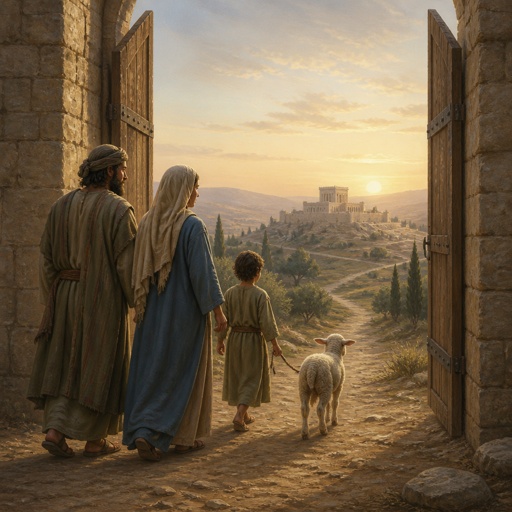
"Thou mayest not sacrifice the passover within any of thy gates, which the LORD thy God giveth thee:" - Deuteronomy 16:5

Deuteronomy 14:16 - "The little owl, and the great owl, and the swan,"
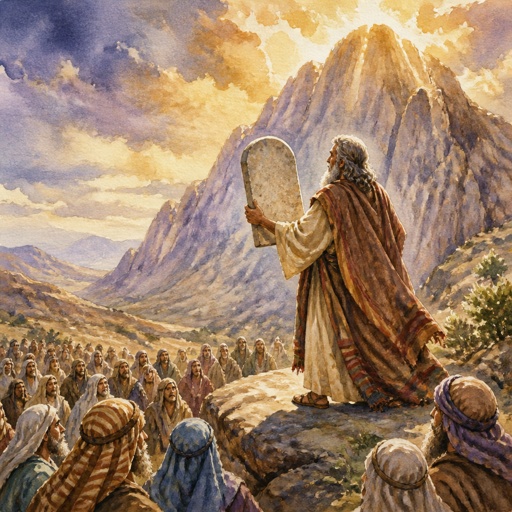
Deuteronomy 5 pictures

Deuteronomy 10:16 - "Circumcise therefore the foreskin of your heart, and be no more stiffnecked."

Deuteronomy 5:17 - "Thou shalt not kill."

Deuteronomy 34:5-6

Deuteronomy 28:16 - "Cursed shalt thou be in the city, and cursed shalt thou be in the field."

Deuteronomy 5:19 - "Neither shalt thou steal."

Deuteronomy 5:18 - "Neither shalt thou commit adultery."

Deuteronomy 28:5 - "Blessed shall be thy basket and thy store."

Deuteronomy 32:16 - "They provoked him to jealousy with strange gods, with abominations provoked they him to anger."

Deuteronomy 5:2 - "The LORD our God made a covenant with us in Horeb."

Deuteronomy 6:16 - "¶ Ye shall not tempt the LORD your God, as ye tempted him in Massah."

Deuteronomy 5:30 - "Go say to them, Get you into your tents again."

Deuteronomy 19:16 - "¶ If a false witness rise up against any man to testify against him that which is wrong;"

Deuteronomy 16:12 - "And thou shalt remember that thou wast a bondman in Egypt: and thou shalt observe and do these statutes."

Deuteronomy 25:16 - "For all that do such things, and all that do unrighteously, are an abomination unto the LORD thy God."

Deuteronomy 12:16 - "Only ye shall not eat the blood; ye shall pour it upon the earth as water."

"Thou shalt not kill." - Deuteronomy 5:17

Deuteronomy 5:7 - "Thou shalt have none other gods before me."

Deuteronomy 5:13 - "Six days thou shalt labour, and do all thy work:"

Deuteronomy 1:5 - "On this side Jordan, in the land of Moab, began Moses to declare this law, saying,"

Deuteronomy 2:16 - "¶ So it came to pass, when all the men of war were consumed and dead from among the people,"

Deuteronomy 27:16 - "Cursed be he that setteth light by his father or his mother. And all the people shall say, Amen."