Surrendering to Sovereignty: A Reflection on Ecclesiastes 6:10
“That which hath been is named already, and it is known that it is man: neither may he contend with him that is mightier than he.” — Ecclesiastes 6:10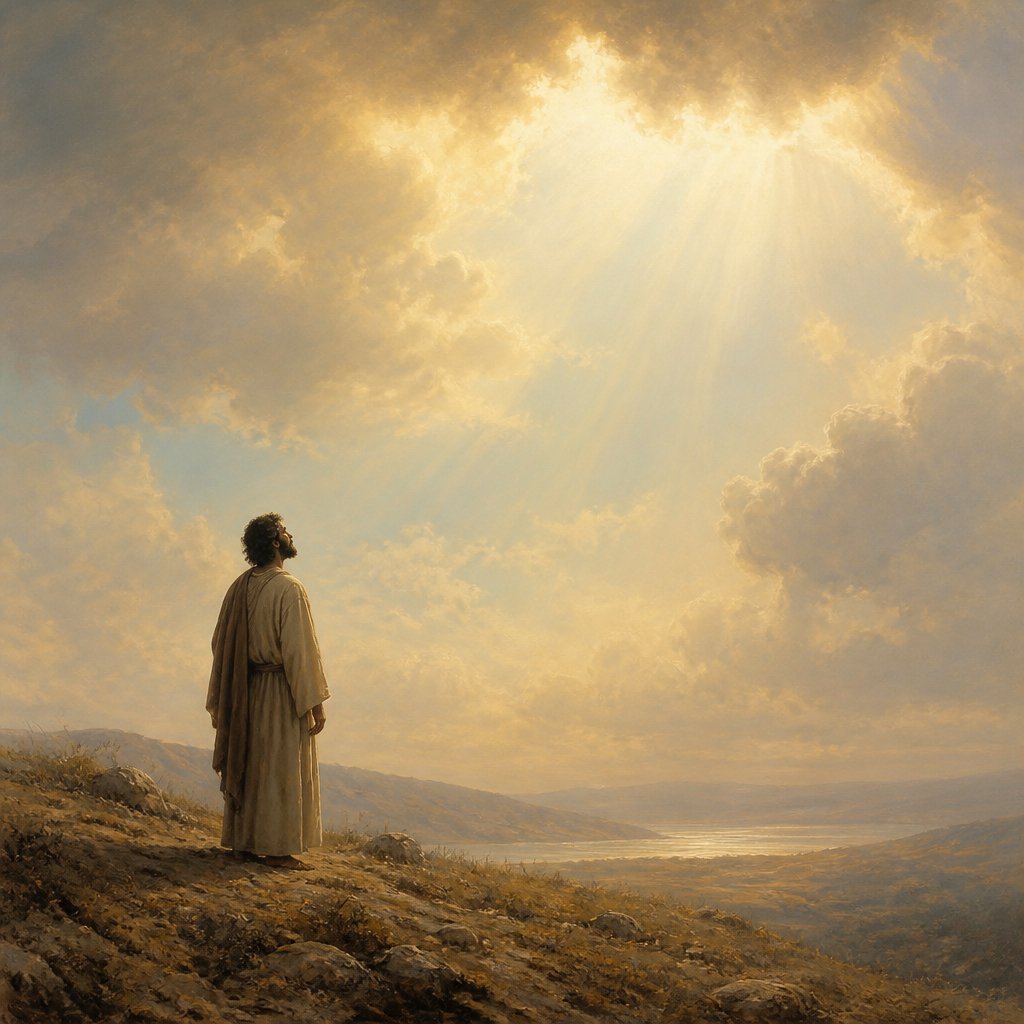
Ecclesiastes 6:10 states, "That which hath been is named already; and it is known that it is man: neither may he contend with him that is mightier than he." This verse encapsulates the understanding of human limitations and the sovereignty of God. As we delve deeply into its meaning, we explore themes of existence, identity, and divine authority—all of which are crucial for living a life of purpose and peace.
The preacher of Ecclesiastes, traditionally attributed to Solomon, presents a world that often feels chaotic and uncertain. With the writer’s keen reflections, he highlights the struggles and mysteries of human existence. The assertion that "that which hath been is named already" suggests a profound truth about the nature of existence. All that we are, all that we experience, is known to God—the Creator who precedes time, space, and even our understanding. This echoes the theme of God's omniscience; nothing happens under the sun that is outside His awareness.
The phrase "and it is known that it is man" leads us to contemplate our identity as humans. To be human is to exist in a world filled with limitations. We are finite beings with defined capabilities, emotions, and frailties. The writer of Ecclesiastes acknowledges that despite our intellectual pursuits, wealth, or achievements, we are ultimately bound by our humanity. We can exert influence and power, yet we remain fragile against the backdrop of an infinitely more powerful force—that is, God Himself.
In saying, "neither may he contend with him that is mightier than he," we are confronted with the reality of divine sovereignty. The challenges and struggles we face often leave us feeling overwhelmed. We might find ourselves wrestling with our circumstances, trying to manifest control over what is inherently beyond us. The call here is to recognize that contending against God or seeking to challenge His authority leads only to futility.
It is easy in life to be tempted to assert our will and desires, believing we can bend reality to our vision. We might question God’s plan or timing, especially during trials when we feel powerless. However, this passage gently reminds us that embracing our limitations leads to greater peace. Our fight is not against God but is often our struggle to surrender to His divine plan.
In a world consumed by ambition and the constant chase for success and recognition, there is profound freedom in acknowledging the truth of Ecclesiastes 6:10. Instead of striving to control every aspect of our lives, we can find solace in trusting the One who knows all, sees all, and ultimately holds all power. To live is to be a participant in a divine narrative that has already been written; our role is not to dictate the course but to respond to the leading of our Creator.
In quiet moments of reflection, we can choose to concede our conflicting desires and embrace the grace found in yielding to God's might. "Thy will be done" becomes more than a religious phrase; it transforms into a life-altering declaration—one that provides real hope and direction. In actively surrendering to God’s sovereignty, we allow His wisdom and plans to shape our lives, guiding us to fulfillment and peace.
Therefore, let us commit this day to relinquishing our need to wrestle with the mightier one. Instead, may we embrace humility, recognizing our status as mere vessels of God’s grace. Let Ecclesiastes 6:10 inspire us to find strength in surrender, faith in understanding our limitations, and hope in the knowledge that all things are under the control of a God who is truly mighty. In acknowledging our dependence on Him, we find ourselves not at odds with the world, but centered and anchored in His unchanging love.
Get our apps


Artwork for Ecclesiastes 6:10

Ecclesiastes 6:10 - "That which hath been is named already, and it is known that it is man: neither may he contend with him that is mightier than he."

"That which hath been is named already, and it is known that it is man: neither may he contend with him that is mightier than he." - Ecclesiastes 6:10

Ecclesiastes 10:6 - "Folly is set in great dignity, and the rich sit in low place."

"Folly is set in great dignity, and the rich sit in low place." - Ecclesiastes 10:6

ecclesiastes 12:2-6

Ecclesiastes 10:10 - "If the iron be blunt, and he do not whet the edge, then must he put to more strength: but wisdom is profitable to direct."

Ecclesiastes 10:11 - "Surely the serpent will bite without enchantment; and a babbler is no better."

Ecclesiastes 6:7 - "All the labour of man is for his mouth, and yet the appetite is not filled."

Ecclesiastes 3:6 - "A time to get, and a time to lose; a time to keep, and a time to cast away;"

Ecclesiastes 6:11 - "¶ Seeing there be many things that increase vanity, what is man the better?"

Ecclesiastes 10:18 - "¶ By much slothfulness the building decayeth; and through idleness of the hands the house droppeth through."

Ecclesiastes 10:19 - "¶ A feast is made for laughter, and wine maketh merry: but money answereth all things."

Ecclesiastes 6:9 - "¶ Better is the sight of the eyes than the wandering of the desire: this is also vanity and vexation of spirit."

Ecclesiastes 6:1 - "There is an evil which I have seen under the sun, and it is common among men:"

Ecclesiastes 6:4 - "For he cometh in with vanity, and departeth in darkness, and his name shall be covered with darkness."

Ecclesiastes 7:6 - "For as the crackling of thorns under a pot, so is the laughter of the fool: this also is vanity."

Ecclesiastes 10:12 - "The words of a wise man's mouth are gracious; but the lips of a fool will swallow up himself."

Ecclesiastes 10:13 - "The beginning of the words of his mouth is foolishness: and the end of his talk is mischievous madness."

Ecclesiastes 10:2 - "A wise man's heart is at his right hand; but a fool's heart at his left."

Ecclesiastes 8:6 - "¶ Because to every purpose there is time and judgment, therefore the misery of man is great upon him."

Ecclesiastes 4:6 - "Better is an handful with quietness, than both the hands full with travail and vexation of spirit."

Ecclesiastes 6:6 - "¶ Yea, though he live a thousand years twice told, yet hath he seen no good: do not all go to one place?"

Ecclesiastes 10:5 - "There is an evil which I have seen under the sun, as an error which proceedeth from the ruler:"

Ecclesiastes 12:10 - "The preacher sought to find out acceptable words: and that which was written was upright, even words of truth."

Ecclesiastes 10:15 - "The labour of the foolish wearieth every one of them, because he knoweth not how to go to the city."

Ecclesiastes 10:7 - "I have seen servants upon horses, and princes walking as servants upon the earth."

Ecclesiastes 3:10 - "I have seen the travail, which God hath given to the sons of men to be exercised in it."

Ecclesiastes 2:6 - "I made me pools of water, to water therewith the wood that bringeth forth trees:"

Ecclesiastes 5:10 - "He that loveth silver shall not be satisfied with silver; nor he that loveth abundance with increase: this is also vanity."

Ecclesiastes 10:16 - "¶ Woe to thee, O land, when thy king is a child, and thy princes eat in the morning!"