What does Ecclesiastes 6:10 mean?
“That which hath been is named already, and it is known that it is man: neither may he contend with him that is mightier than he.” — Ecclesiastes 6:10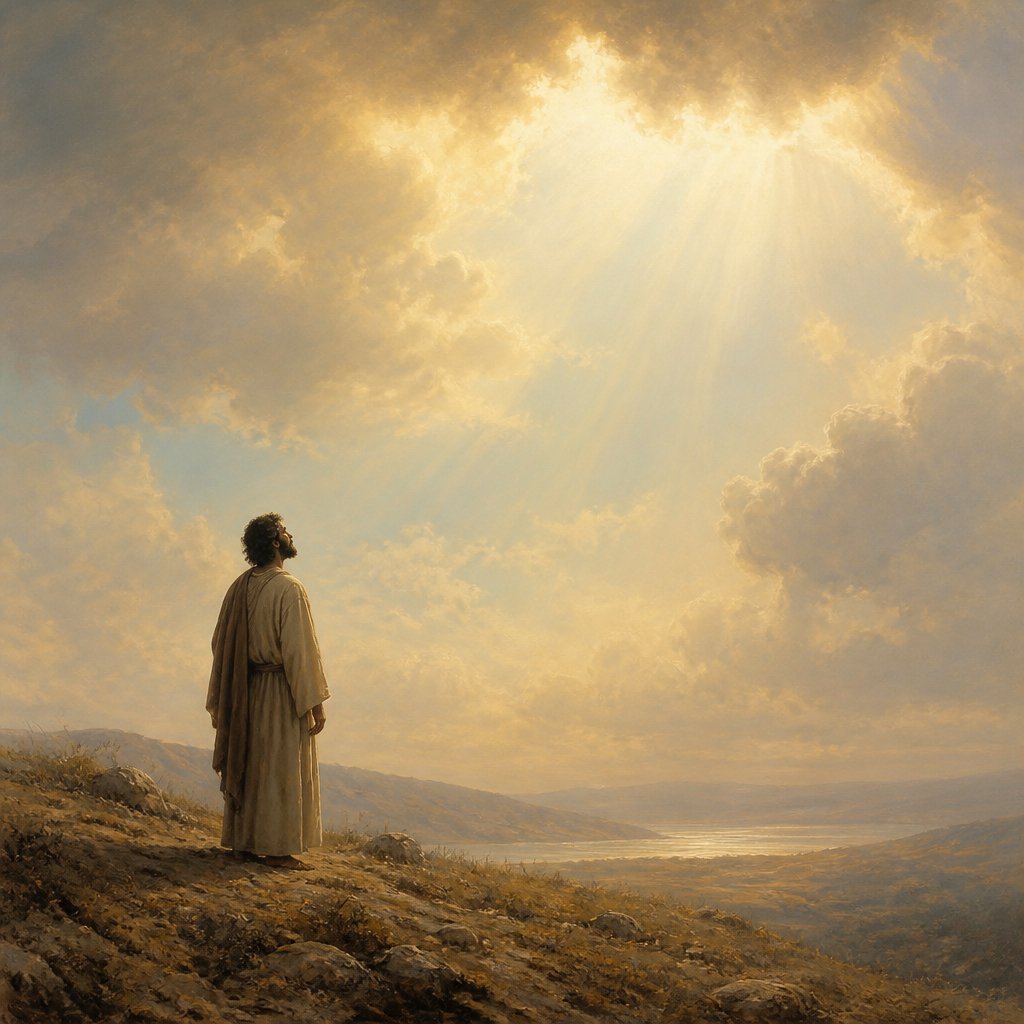
"Ecclesiastes 6:10" from the King James Version of the Bible reads, "That which hath been is named already, and it is known that it is man: neither may he contend with him that is mightier than he."
The book of Ecclesiastes, traditionally attributed to King Solomon, explores the existential questions of human existence and the pursuit of meaning in life. This particular verse addresses the futility of human striving and the recognition of the limitations of human agency.
The first half of the verse, "That which hath been is named already, and it is known that it is man," speaks to the idea that human destiny and the events of life are predetermined. This echoes the theme of predestination and the idea that God has already ordained the course of human life. The phrase "That which hath been is named already" suggests that everything that happens in the world has already been foreseen and predetermined by a higher power, and man is not in control of these events.
The second half of the verse, "neither may he contend with him that is mightier than he," emphasizes the futility of human resistance against the will of a higher power. The "him that is mightier" could refer to God or to the forces of fate and providence. In either case, the verse conveys the idea that humans are ultimately subject to powers beyond their control and cannot alter their predetermined fate.
The broader context of Ecclesiastes further reinforces the themes present in this verse. The book as a whole explores the inherent emptiness and vanity of human existence, as the author (often identified as Solomon) reflects on the temporary nature of life and the futility of earthly pursuits. Throughout the book, the author grapples with the limitations of human wisdom and the inevitability of death, ultimately concluding that true fulfillment and meaning are found in fearing God and obeying His commandments.
In addition to its thematic significance, this verse also holds symbolic and allegorical value. It serves as a reminder of the humility and limitations of human beings, emphasizing the need for submission to a higher power. The verse prompts the reader to reflect on the balance between human agency and divine sovereignty, and to recognize the importance of acknowledging and surrendering to the will of God.
In conclusion, "Ecclesiastes 6:10" offers a solemn reflection on the predetermined nature of human existence and the futility of resisting the will of a higher power. It aligns with the broader themes of the book of Ecclesiastes, which grapples with the limitations of human wisdom and the transient nature of earthly pursuits. Ultimately, the verse serves as a poignant reminder of the need for humility and submission in the face of the mysteries of life and the sovereignty of God.
Get our apps


Artwork for Ecclesiastes 6:10

Ecclesiastes 6:10 - "That which hath been is named already, and it is known that it is man: neither may he contend with him that is mightier than he."

"That which hath been is named already, and it is known that it is man: neither may he contend with him that is mightier than he." - Ecclesiastes 6:10

Ecclesiastes 10:6 - "Folly is set in great dignity, and the rich sit in low place."

"Folly is set in great dignity, and the rich sit in low place." - Ecclesiastes 10:6

ecclesiastes 12:2-6

Ecclesiastes 10:10 - "If the iron be blunt, and he do not whet the edge, then must he put to more strength: but wisdom is profitable to direct."

Ecclesiastes 10:11 - "Surely the serpent will bite without enchantment; and a babbler is no better."

Ecclesiastes 6:7 - "All the labour of man is for his mouth, and yet the appetite is not filled."

Ecclesiastes 3:6 - "A time to get, and a time to lose; a time to keep, and a time to cast away;"

Ecclesiastes 6:11 - "¶ Seeing there be many things that increase vanity, what is man the better?"

Ecclesiastes 10:18 - "¶ By much slothfulness the building decayeth; and through idleness of the hands the house droppeth through."

Ecclesiastes 10:19 - "¶ A feast is made for laughter, and wine maketh merry: but money answereth all things."

Ecclesiastes 6:9 - "¶ Better is the sight of the eyes than the wandering of the desire: this is also vanity and vexation of spirit."

Ecclesiastes 6:1 - "There is an evil which I have seen under the sun, and it is common among men:"

Ecclesiastes 6:4 - "For he cometh in with vanity, and departeth in darkness, and his name shall be covered with darkness."

Ecclesiastes 7:6 - "For as the crackling of thorns under a pot, so is the laughter of the fool: this also is vanity."

Ecclesiastes 10:12 - "The words of a wise man's mouth are gracious; but the lips of a fool will swallow up himself."

Ecclesiastes 10:13 - "The beginning of the words of his mouth is foolishness: and the end of his talk is mischievous madness."

Ecclesiastes 10:2 - "A wise man's heart is at his right hand; but a fool's heart at his left."

Ecclesiastes 8:6 - "¶ Because to every purpose there is time and judgment, therefore the misery of man is great upon him."

Ecclesiastes 4:6 - "Better is an handful with quietness, than both the hands full with travail and vexation of spirit."

Ecclesiastes 6:6 - "¶ Yea, though he live a thousand years twice told, yet hath he seen no good: do not all go to one place?"

Ecclesiastes 10:5 - "There is an evil which I have seen under the sun, as an error which proceedeth from the ruler:"

Ecclesiastes 12:10 - "The preacher sought to find out acceptable words: and that which was written was upright, even words of truth."

Ecclesiastes 10:15 - "The labour of the foolish wearieth every one of them, because he knoweth not how to go to the city."

Ecclesiastes 10:7 - "I have seen servants upon horses, and princes walking as servants upon the earth."

Ecclesiastes 3:10 - "I have seen the travail, which God hath given to the sons of men to be exercised in it."

Ecclesiastes 2:6 - "I made me pools of water, to water therewith the wood that bringeth forth trees:"

Ecclesiastes 5:10 - "He that loveth silver shall not be satisfied with silver; nor he that loveth abundance with increase: this is also vanity."

Ecclesiastes 10:16 - "¶ Woe to thee, O land, when thy king is a child, and thy princes eat in the morning!"