Hidden Strength: The Power of Identity in God
“Esther had not shewed her people nor her kindred: for Mordecai had charged her that she should not shew it.” — Esther 2:10
Esther 2:10 says, "Esther had not shewed her people nor her kindred: for Mordecai had charged her that she should not shew it." This verse captures a significant moment in the life of an extraordinary woman, who, by God’s providence, played a pivotal role in the deliverance of her people from annihilation.
To understand the weight of Esther’s actions, we must first appreciate the context of the story. The Jewish people faced extermination under King Xerxes’ reign due to Haman’s wicked plot, fueled by deep-seated hatred toward the Jews. Esther, a young orphan girl raised by her cousin Mordecai, was chosen to be the queen of Persia, a position that afforded her influence and access. Yet, in this moment, she faced a crucial decision about revealing her Jewish identity.
Mordecai’s charge to Esther not to disclose her lineage was not born of a wish for secrecy but out of wisdom rooted in the harsh realities of their environment. In a land that had often exhibited hostility towards the Jewish people, revealing her identity could have jeopardized both her life and her role as queen, possibly leaving her without the ability to aid her people later on.
This act of concealment raises essential questions about identity and the social contexts we navigate. Esther’s decision reminds us of the wisdom in guarding certain aspects of ourselves until the right time. She was not denying her heritage; rather, she was strategically preparing for a moment when that identity could be a source of strength.
One profound takeaway from this passage is that our God-given identities may sometimes need to be safeguarded for a season. In today's world, we find ourselves in environments where societal pressures dictate how open we should be about our beliefs, values, and identities. Just as Esther operated under the guidance of Mordecai, we too must seek wisdom in how we manage our identities in various contexts, particularly those that may not be welcoming or understanding.
Consider your own life: Are there unique aspects of your identity, your background, or your faith that you feel you are called to protect? This is not merely a matter of secrecy but of discernment. God’s timing is perfect, and there may come a moment when the very aspects of who we are—or whose we are—become the key to unlocking powerful acts of service, influence, or witness.
Esther’s decision to maintain her anonymity concerning her Jewish roots also underscores her sense of obedience and respect for her guardian's counsel. As followers of Christ, we are often called to respect authority and wise counsel, knowing that God places individuals in our lives for our guidance. Mordecai's wisdom was instrumental in preparing Esther for the demanding role she was to assume; we too must remain open to wise counsel that may direct our steps.
Moreover, Esther’s experience challenges us to reflect on our own moments of concealment. Spiritually, do we ever hide our true selves from others? Are we sometimes reluctant to share our faith journey because of the fear of rejection or misunderstanding? God calls us to authenticity and courage; however, there may be right timings for revealing our hearts, just as there was for Esther.
Finally, as we contemplate this verse, let us remember that our stories—and the stories of those around us—are often unfolding in hidden ways. Esther’s journey from anonymity to prominence was not an immediate transition but a gradual revelation of God’s plans. Trust in the process, even when it feels uncertain. Just like Esther, God has a purpose for you despite the moments you may feel concealed.
In closing, reflect on your identity in Christ: He knows you completely, and He has placed you where you are for a reason. May our lives be characterized by wisdom, obedience, and a deep understanding of our identities as children of God, even when faced with the pressures of the world around us.
Get our apps


Artwork for Esther 2:10

Esther 2:10 - "Esther had not shewed her people nor her kindred: for Mordecai had charged her that she should not shew it."

"Esther had not shewed her people nor her kindred: for Mordecai had charged her that she should not shew it." - Esther 2:10

Esther 4:10 - "¶ Again Esther spake unto Hatach, and gave him commandment unto Mordecai;"

Esther 10:2 - "And all the acts of his power and of his might, and the declaration of the greatness of Mordecai, whereunto the king advanced him, are they not written in the book of the chronicles of the kings of Media and Persia?"

Esther 2:22 - "And the thing was known to Mordecai, who told it unto Esther the queen; and Esther certified the king thereof in Mordecai's name."
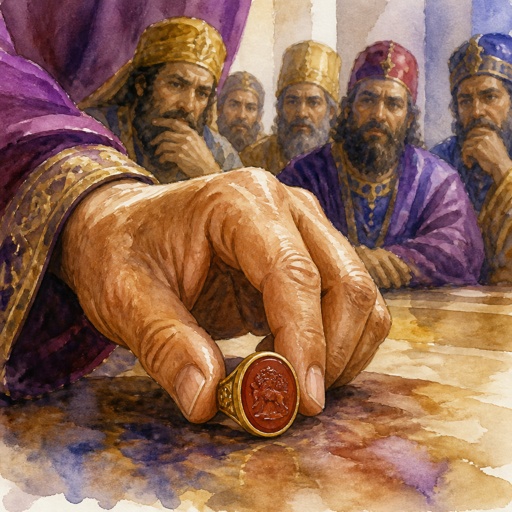
Esther 3:10 focus on ring

Esther 5:2 - "And it was so, when the king saw Esther the queen standing in the court, that she obtained favour in his sight: and the king held out to Esther the golden sceptre that was in his hand. So Esther drew near, and touched the top of the sceptre."
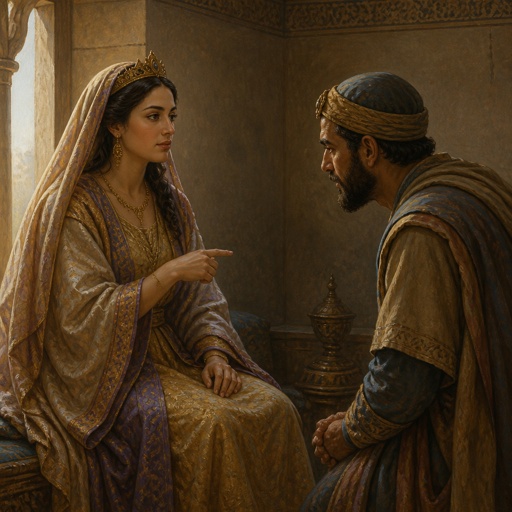
"¶ Again Esther spake unto Hatach, and gave him commandment unto Mordecai;" - Esther 4:10

Esther 7:2 - "And the king said again unto Esther on the second day at the banquet of wine, What is thy petition, queen Esther? and it shall be granted thee: and what is thy request? and it shall be performed, even to the half of the kingdom."

Esther 2:20 - "Esther had not yet shewed her kindred nor her people; as Mordecai had charged her: for Esther did the commandment of Mordecai, like as when she was brought up with him."

Esther 5:2

Esther 10:1 - "And the king Ahasuerus laid a tribute upon the land, and upon the isles of the sea."

Esther 5:2

Esther 5:2

Esther 2:11 - "And Mordecai walked every day before the court of the women's house, to know how Esther did, and what should become of her."

Esther 5:2 - "And it was so, when the king saw Esther the queen standing in the court, that she obtained favour in his sight: and the king held out to Esther the golden sceptre that was in his hand. So Esther drew near, and touched the top of the sceptre."

Esther 9:10 - "The ten sons of Haman the son of Hammedatha, the enemy of the Jews, slew they; but on the spoil laid they not their hand."

"And the thing was known to Mordecai, who told it unto Esther the queen; and Esther certified the king thereof in Mordecai's name." - Esther 2:22

Esther 2:16 - "So Esther was taken unto king Ahasuerus into his house royal in the tenth month, which is the month Tebeth, in the seventh year of his reign."

Esther 7:10 - "So they hanged Haman on the gallows that he had prepared for Mordecai. Then was the king's wrath pacified."

Esther 8:2 - "And the king took off his ring, which he had taken from Haman, and gave it unto Mordecai. And Esther set Mordecai over the house of Haman."
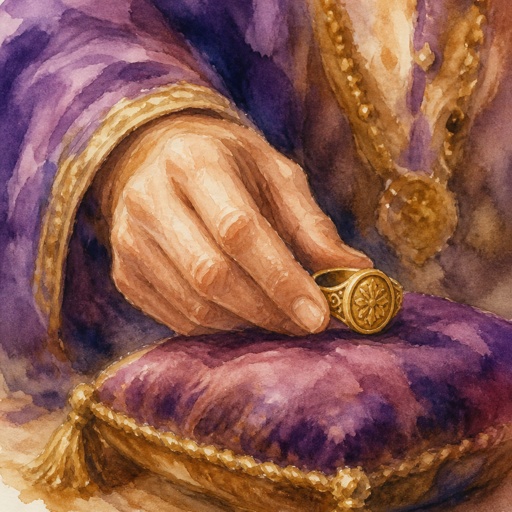
Esther 8:2 focus on the ring

Esther 2:15 - "¶ Now when the turn of Esther, the daughter of Abihail the uncle of Mordecai, who had taken her for his daughter, was come to go in unto the king, she required nothing but what Hegai the king's chamberlain, the keeper of the women, appointed. And Esther obtained favour in the sight of all them that looked upon her."

Esther 2:2 - "Then said the king's servants that ministered unto him, Let there be fair young virgins sought for the king:"

Esther 5:10 - "Nevertheless Haman refrained himself: and when he came home, he sent and called for his friends, and Zeresh his wife."

Esther 3:10 - "And the king took his ring from his hand, and gave it unto Haman the son of Hammedatha the Agagite, the Jews' enemy."

Esther 8:10 - "And he wrote in the king Ahasuerus' name, and sealed it with the king's ring, and sent letters by posts on horseback, and riders on mules, camels, and young dromedaries:"

Esther 2:17 - "And the king loved Esther above all the women, and she obtained grace and favour in his sight more than all the virgins; so that he set the royal crown upon her head, and made her queen instead of Vashti."

Esther 2:7 - "And he brought up Hadassah, that is, Esther, his uncle's daughter: for she had neither father nor mother, and the maid was fair and beautiful; whom Mordecai, when her father and mother were dead, took for his own daughter."
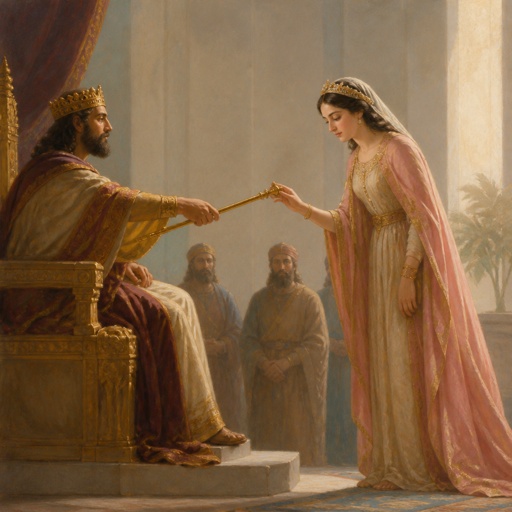
"And it was so, when the king saw Esther the queen standing in the court, that she obtained favour in his sight: and the king held out to Esther the golden sceptre that was in his hand. So Esther drew near, and touched the top of the sceptre." - Esther 5:2