Honored in the Sight of the King
“And let this apparel and horse be delivered to the hand of one of the king’s most noble princes, that they may array the man withal whom the king delighteth to honour, and bring him on horseback through the street of the city, and proclaim before him, Thus shall it be done to the man whom the king delighteth to honour.” — Esther 6:9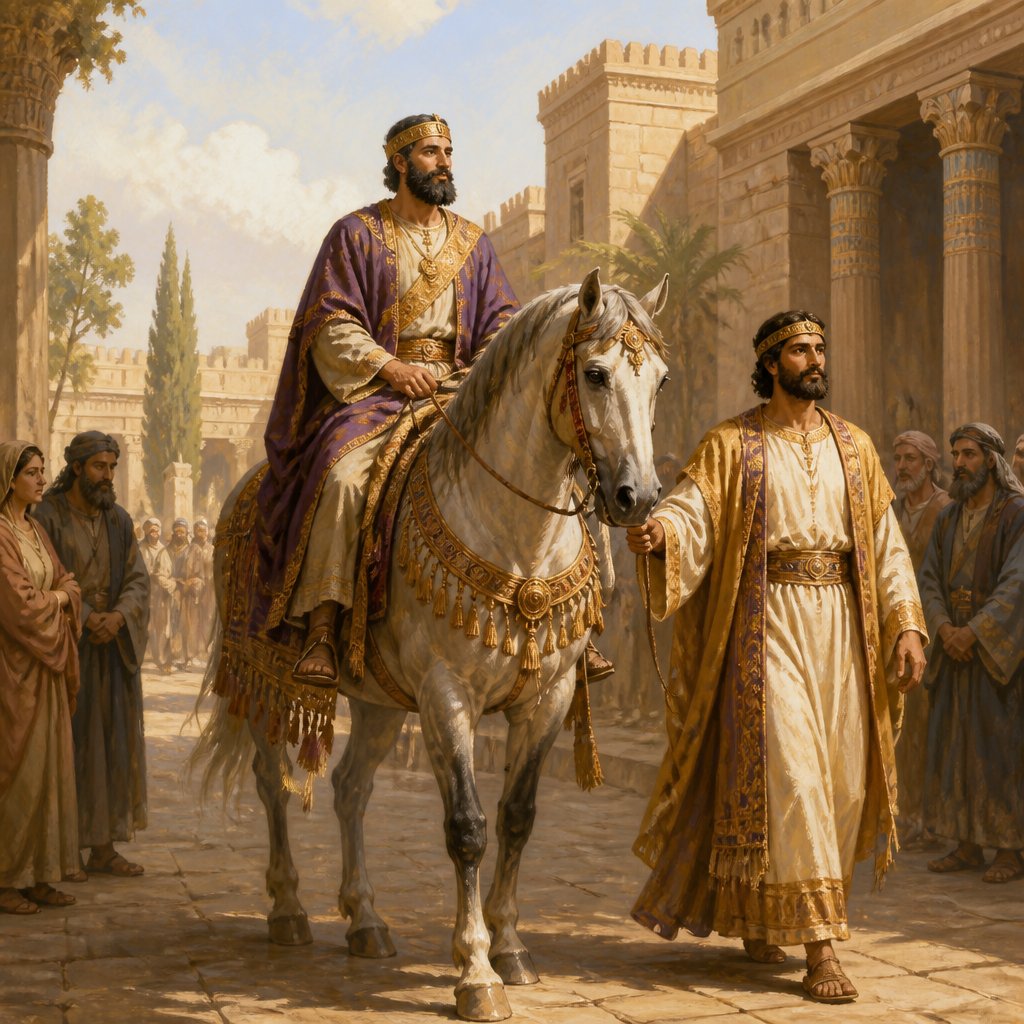
The story of Esther is a profound narrative that unveils the intricacies of God’s providential care in the lives of those who trust Him. At its heart, Esther 6:9 presents a moment full of suspense, honor, and divine orchestration. The verse reads: "And let this apparel and horse be delivered to the hand of one of the king's most noble princes, that they may array the man withal whom the king delighteth to honour, and bring him on horseback through the street of the city, and proclaim before him, Thus shall it be done to the man whom the king delighteth to honour."
Understanding the backdrop of this verse requires us to delve into the preceding events surrounding Haman, the villain of the story, who devised a plot to annihilate the Jewish people, including Esther’s uncle, Mordecai. Mordecai’s previous act of loyalty, where he exposed an assassination plot against King Xerxes, remained unrewarded until this pivotal moment.
We see a shift that begins with King Xerxes sleepless and searching for the records of his kingdom. In this moment of divine timing, God initiates a turn of events that leads to Mordecai being honored. What a reminder it is that God can turn our situations around when we least expect it! This glorious turn of events serves as a testament to how the Lord remembers our faithfulness, even when it seems forgotten by others.
In the decree for Mordecai’s honor, there is a striking image of a royal treatment; it is not merely recognition but a grand public display of honor. The verse emphasizes the depths of this honor: “the king delighteth to honour.” Herein lies a significant truth; our God delights in honoring His faithful servants. This is more than just earthly recognition; it is divine acknowledgment evoking both awe and gratitude.
As believers, we often find ourselves in situations where our faithfulness seems unnoticed, perhaps even unappreciated. We may grow weary waiting for the day when our sacrifices, our prayers, and our quiet acts of service are acknowledged. Yet, Esther 6:9 serves to remind us that we serve a God who sees every act wrought in faith (Hebrews 6:10). Everyone desires recognition, but God’s timing is perfect, and His plans are often far greater than anything we could ever imagine.
These events challenge us to view our circumstances through the lens of God’s omniscience and His timing. Just as Mordecai was propelled from obscurity to honor, so too can our lives be transformed by God's gracious interventions.
Moreover, consider the one sent to honor Mordecai — Haman. The very man who sought to destroy Mordecai was the one chosen to proclaim the honor bestowed upon him. This paradox is often one of God's favorite tools: using our adversaries and difficult circumstances to bring about His greater purpose. It challenges us to love our enemies and pray for those who cause us trouble (Matthew 5:44) because often our blessings come wrapped in trials.
In our journey of faith, may we also seek to honor others genuinely, just as the king sought to honor Mordecai. True honor is not found in boasting or self-promotion; it emerges from a humble heart ready to celebrate others in their journey. Just as God delights to honor us before men, we too should find delight in lifting others up.
In concluding this reflection, let us trust God for His perfect timing. He knows what is at stake and has a plan for each of us — a plan that transcends our understanding. Like Mordecai, may we continue steadfast in righteousness, knowing that one day God will honor us, and on that day, His glory will shine through our lives.
Get our apps


Artwork for Esther 6:9

Esther 6:9 - "And let this apparel and horse be delivered to the hand of one of the king's most noble princes, that they may array the man withal whom the king delighteth to honour, and bring him on horseback through the street of the city, and proclaim before him, Thus shall it be done to the man whom the king delighteth to honour."
"And let this apparel and horse be delivered to the hand of one of the king's most noble princes, that they may array the man withal whom the king delighteth to honour, and bring him on horseback through the street of the city, and proclaim before him, Thus shall it be done to the man whom the king delighteth to honour." - Esther 6:9

Esther 9:6 - "And in Shushan the palace the Jews slew and destroyed five hundred men."

Esther 4:9 - "And Hatach came and told Esther the words of Mordecai."

"And in Shushan the palace the Jews slew and destroyed five hundred men." - Esther 9:6

Esther 9:32 - "And the decree of Esther confirmed these matters of Purim; and it was written in the book."

Esther 9:9 - "And Parmashta, and Arisai, and Aridai, and Vajezatha,"

Esther 7:6 - "And Esther said, The adversary and enemy is this wicked Haman. Then Haman was afraid before the king and the queen."

Esther 9:29 - "Then Esther the queen, the daughter of Abihail, and Mordecai the Jew, wrote with all authority, to confirm this second letter of Purim."

Esther 1:6

"And Hatach came and told Esther the words of Mordecai." - Esther 4:9

Esther 9:8 - "And Poratha, and Adalia, and Aridatha,"

Esther 9:7 - "And Parshandatha, and Dalphon, and Aspatha,"

"And the decree of Esther confirmed these matters of Purim; and it was written in the book." - Esther 9:32

Esther 6:14 - "And while they were yet talking with him, came the king's chamberlains, and hasted to bring Haman unto the banquet that Esther had prepared."
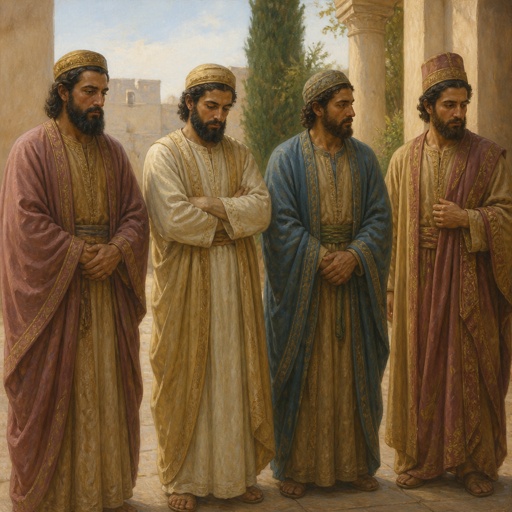
"And Parmashta, and Arisai, and Aridai, and Vajezatha," - Esther 9:9

Esther 9:31 - "To confirm these days of Purim in their times appointed, according as Mordecai the Jew and Esther the queen had enjoined them, and as they had decreed for themselves and for their seed, the matters of the fastings and their cry."

Esther 9:13 - "Then said Esther, If it please the king, let it be granted to the Jews which are in Shushan to do to morrow also according unto this day's decree, and let Haman's ten sons be hanged upon the gallows."

Esther 5:6 - "¶ And the king said unto Esther at the banquet of wine, What is thy petition? and it shall be granted thee: and what is thy request? even to the half of the kingdom it shall be performed."
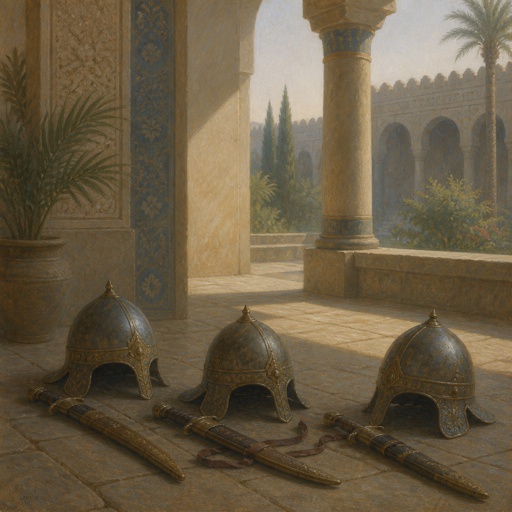
"And Parshandatha, and Dalphon, and Aspatha," - Esther 9:7
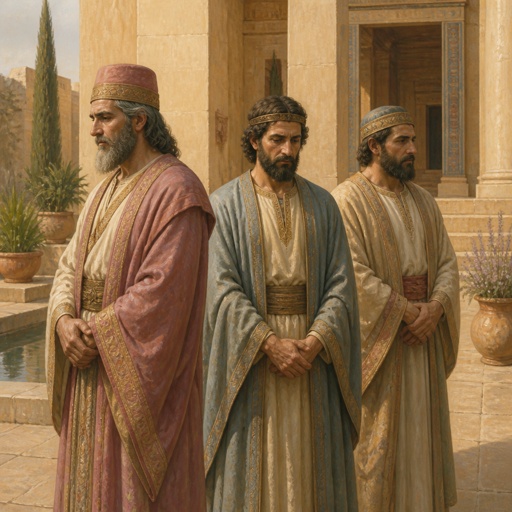
"And Poratha, and Adalia, and Aridatha," - Esther 9:8

Esther 6:7 - "And Haman answered the king, For the man whom the king delighteth to honour,"

"And Esther said, The adversary and enemy is this wicked Haman. Then Haman was afraid before the king and the queen." - Esther 7:6

Esther 9:25 - "But when Esther came before the king, he commanded by letters that his wicked device, which he devised against the Jews, should return upon his own head, and that he and his sons should be hanged on the gallows."

Esther 9:10 - "The ten sons of Haman the son of Hammedatha, the enemy of the Jews, slew they; but on the spoil laid they not their hand."

Esther 9:11 - "On that day the number of those that were slain in Shushan the palace was brought before the king."

Esther 9:23 - "And the Jews undertook to do as they had begun, and as Mordecai had written unto them;"
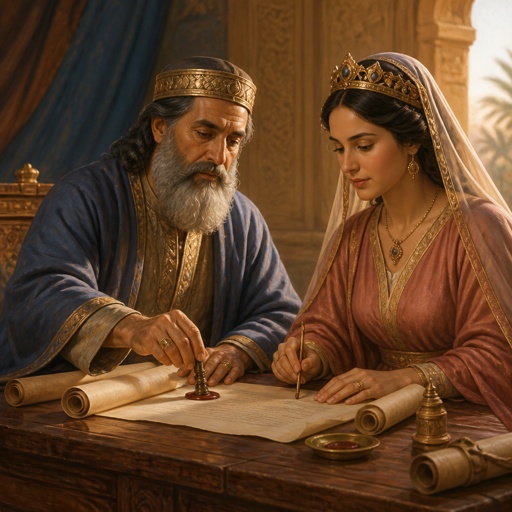
"Then Esther the queen, the daughter of Abihail, and Mordecai the Jew, wrote with all authority, to confirm this second letter of Purim." - Esther 9:29

Esther 9:17 - "On the thirteenth day of the month Adar; and on the fourteenth day of the same rested they, and made it a day of feasting and gladness."

Esther 1:9 - "Also Vashti the queen made a feast for the women in the royal house which belonged to king Ahasuerus."