Prepared for the Day of Deliverance
“The copy of the writing for a commandment to be given in every province was published unto all people, and that the Jews should be ready against that day to avenge themselves on their enemies.” — Esther 8:13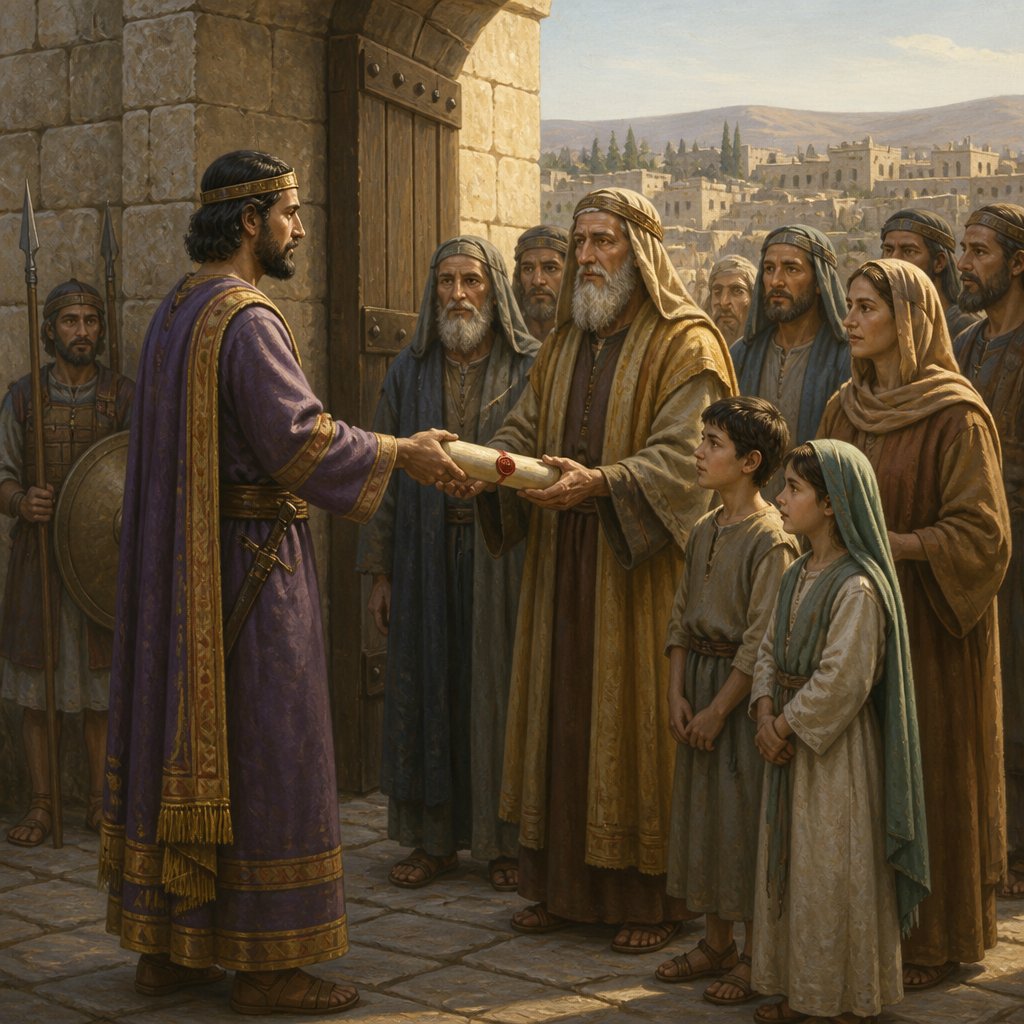
In the heart of the Book of Esther lies a powerful verse that encapsulates the essence of divine intervention and human response: "The copy of the writing for a commandment to be given in every province was published unto all people, and that the Jews should be ready against that day to avenge themselves on their enemies" (Esther 8:13, KJV). This verse, set against the backdrop of a nation in peril, invites us to contemplate themes of preparation, hope, and the dynamics of justice.
The story of Esther unfolds in a time when the Jewish people found themselves under grave threat from Haman, a royal official whose hatred for them was driven by pride and prejudice. Haman's plot was insidious—he sought not only to destroy the Jewish people but to eradicate their very presence from the kingdom. Yet, God was at work behind the scenes. Esther, a Jewish woman who had risen to become queen, became the vessel through which their deliverance would emerge. Through her bravery, intelligence, and unyielding faith, the stage was set for God's redemptive plan to unfold.
Esther 8:13 marks a pivotal moment in this narrative. After Haman's defeat and execution, a royal decree was issued that reversed the fate of the Jews. This decree was not merely an abstract promise of hope; it was a public proclamation, meant to be disseminated far and wide throughout the provinces of the kingdom. The Jews could now prepare for their day of deliverance, a day that would see them rise against their enemies, not in retaliation but in the standing of their God-given rights and justice.
In our own lives, we often find ourselves facing overwhelming obstacles—are there not moments when the forces of injustice seem to loom large, casting shadows over our peace and security? Just as the Jews were called to "be ready" for their moment, we too are encouraged to prepare ourselves. Preparation in a spiritual sense does not only mean gearing up for battle but involves a posture of prayer, reliance on God’s promises, and a commitment to righteous living. It is an active readiness, one that places our trust firmly in the Lord, who, in His perfect timing, will bring about our vindication.
Let us reflect on the significance of being "ready against that day." This readiness is not born from anxiety or fear but, rather, from faith. The Jews were instructed to prepare not because they were powerless, but because the decree provided them with the authority granted through heaven. How often do we forget that we, too, have been endowed with a similar authority through Christ? As believers, we are called to approach each day with the assurance that God is sovereign, and that He fights our battles alongside us.
Moreover, the public nature of the proclamation is noteworthy. The fight for justice and truth requires a collective response. The Jewish people were not isolated in their struggle; they shared in both the trials and the triumphs. In the body of Christ, we bear one another's burdens as we march towards the ultimate victory given by Christ Himself. This communal aspect of preparation is crucial; we thrive together in fellowship, praying for one another, encouraging each other, and mobilizing in the fight against injustice and evil around us.
As we meditate on Esther 8:13, let us ask ourselves: How are we preparing for the battles of our days? Are we standing firm in our faith, acknowledging the struggles we face, and recognizing the authority we have through Christ? Are we encouraging others in their walks of faith, preparing not just for personal victory but for a collective advance against the powers that oppose righteousness?
In closing, like the Jews of Esther’s time, we must remember that our hope rests in God’s ultimate sovereignty. As we ready ourselves for our own days of deliverance, let us be mindful to seek God first, engage in prayer, and support one another in faith. May we remain steadfast, prepared to not only receive our deliverance but to stand in boldness against the adversities that come our way, trusting in the God who promises to fight for us.
Get our apps


Artwork for Esther 8:13

Esther 8:13 - "The copy of the writing for a commandment to be given in every province was published unto all people, and that the Jews should be ready against that day to avenge themselves on their enemies."
"The copy of the writing for a commandment to be given in every province was published unto all people, and that the Jews should be ready against that day to avenge themselves on their enemies." - Esther 8:13

Esther 8:4 - "Then the king held out the golden sceptre toward Esther. So Esther arose, and stood before the king,"

Esther 8:1 - "On that day did the king Ahasuerus give the house of Haman the Jews' enemy unto Esther the queen. And Mordecai came before the king; for Esther had told what he was unto her."

Esther 8:4

Esther 4:13 - "Then Mordecai commanded to answer Esther, Think not with thyself that thou shalt escape in the king's house, more than all the Jews."

Esther 9:8 - "And Poratha, and Adalia, and Aridatha,"

Esther 8:7 - "¶ Then the king Ahasuerus said unto Esther the queen and to Mordecai the Jew, Behold, I have given Esther the house of Haman, and him they have hanged upon the gallows, because he laid his hand upon the Jews."

Esther 8:16 - "The Jews had light, and gladness, and joy, and honour."
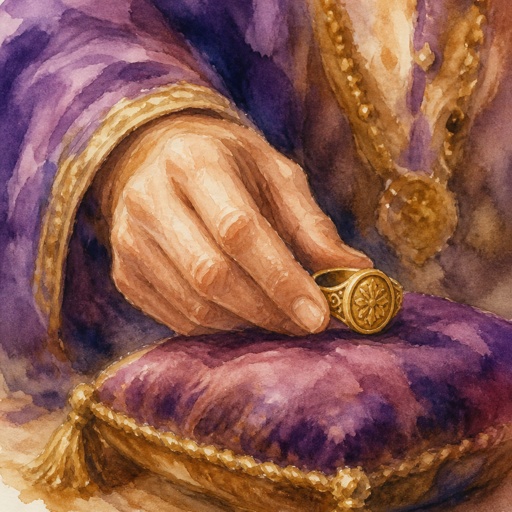
Esther 8:2 focus on the ring

"Then the king held out the golden sceptre toward Esther. So Esther arose, and stood before the king," - Esther 8:4

Esther 8:2 - "And the king took off his ring, which he had taken from Haman, and gave it unto Mordecai. And Esther set Mordecai over the house of Haman."

Esther 9:13 - "Then said Esther, If it please the king, let it be granted to the Jews which are in Shushan to do to morrow also according unto this day's decree, and let Haman's ten sons be hanged upon the gallows."
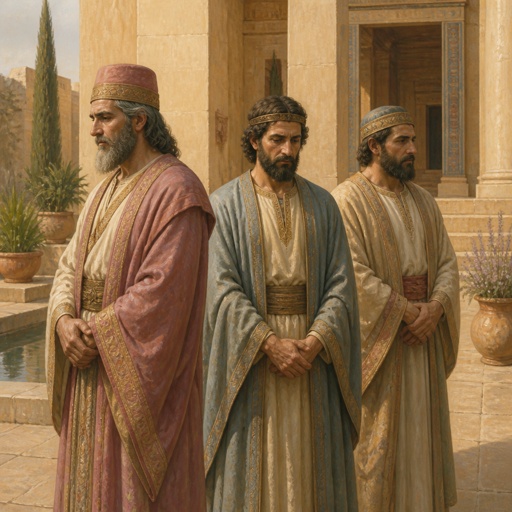
"And Poratha, and Adalia, and Aridatha," - Esther 9:8

Esther 8:3 - "¶ And Esther spake yet again before the king, and fell down at his feet, and besought him with tears to put away the mischief of Haman the Agagite, and his device that he had devised against the Jews."

Esther 2:8 - "¶ So it came to pass, when the king's commandment and his decree was heard, and when many maidens were gathered together unto Shushan the palace, to the custody of Hegai, that Esther was brought also unto the king's house, to the custody of Hegai, keeper of the women."

Esther 5:13 - "Yet all this availeth me nothing, so long as I see Mordecai the Jew sitting at the king's gate."

"On that day did the king Ahasuerus give the house of Haman the Jews' enemy unto Esther the queen. And Mordecai came before the king; for Esther had told what he was unto her." - Esther 8:1

Esther 8:8 - "Write ye also for the Jews, as it liketh you, in the king's name, and seal it with the king's ring: for the writing which is written in the king's name, and sealed with the king's ring, may no man reverse."

Esther 7:8 - "Then the king returned out of the palace garden into the place of the banquet of wine; and Haman was fallen upon the bed whereon Esther was. Then said the king, Will he force the queen also before me in the house? As the word went out of the king's mouth, they covered Haman's face."
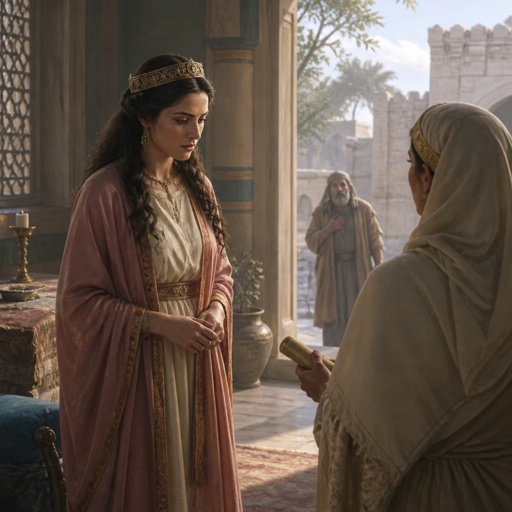
"Then Mordecai commanded to answer Esther, Think not with thyself that thou shalt escape in the king's house, more than all the Jews." - Esther 4:13

Esther 4:8 - "Also he gave him the copy of the writing of the decree that was given at Shushan to destroy them, to shew it unto Esther, and to declare it unto her, and to charge her that she should go in unto the king, to make supplication unto him, and to make request before him for her people."
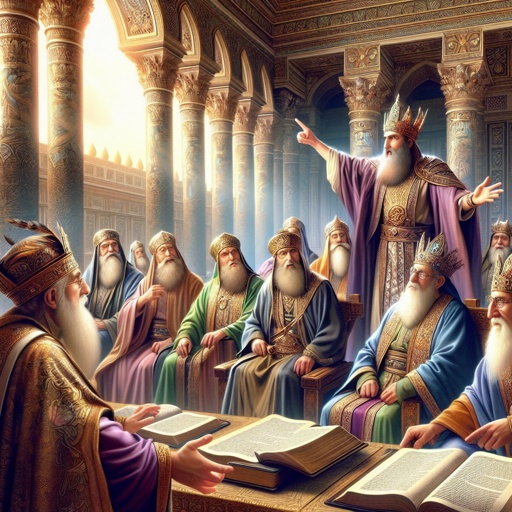
Esther 1:13 - "¶ Then the king said to the wise men, which knew the times, (for so was the king's manner toward all that knew law and judgment:"
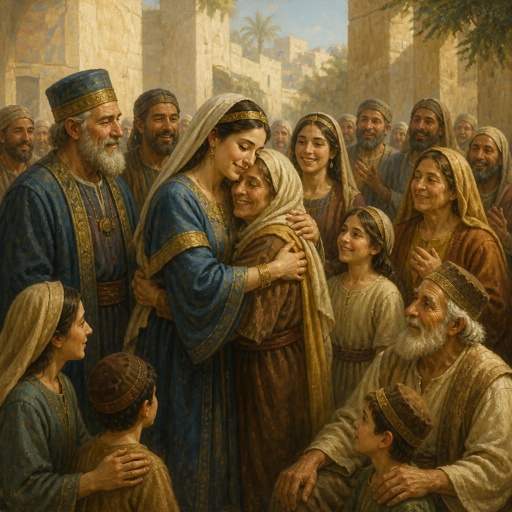
"The Jews had light, and gladness, and joy, and honour." - Esther 8:16

Esther 8:14 - "So the posts that rode upon mules and camels went out, being hastened and pressed on by the king's commandment. And the decree was given at Shushan the palace."

Esther 8:10 - "And he wrote in the king Ahasuerus' name, and sealed it with the king's ring, and sent letters by posts on horseback, and riders on mules, camels, and young dromedaries:"

Esther 8:12 - "Upon one day in all the provinces of king Ahasuerus, namely, upon the thirteenth day of the twelfth month, which is the month Adar."

Esther 2:13 - "Then thus came every maiden unto the king; whatsoever she desired was given her to go with her out of the house of the women unto the king's house."

Esther 8:6 - "For how can I endure to see the evil that shall come unto my people? or how can I endure to see the destruction of my kindred?"

Esther 6:8 - "Let the royal apparel be brought which the king useth to wear, and the horse that the king rideth upon, and the crown royal which is set upon his head:"