What does Esther 8:13 mean?
“The copy of the writing for a commandment to be given in every province was published unto all people, and that the Jews should be ready against that day to avenge themselves on their enemies.” — Esther 8:13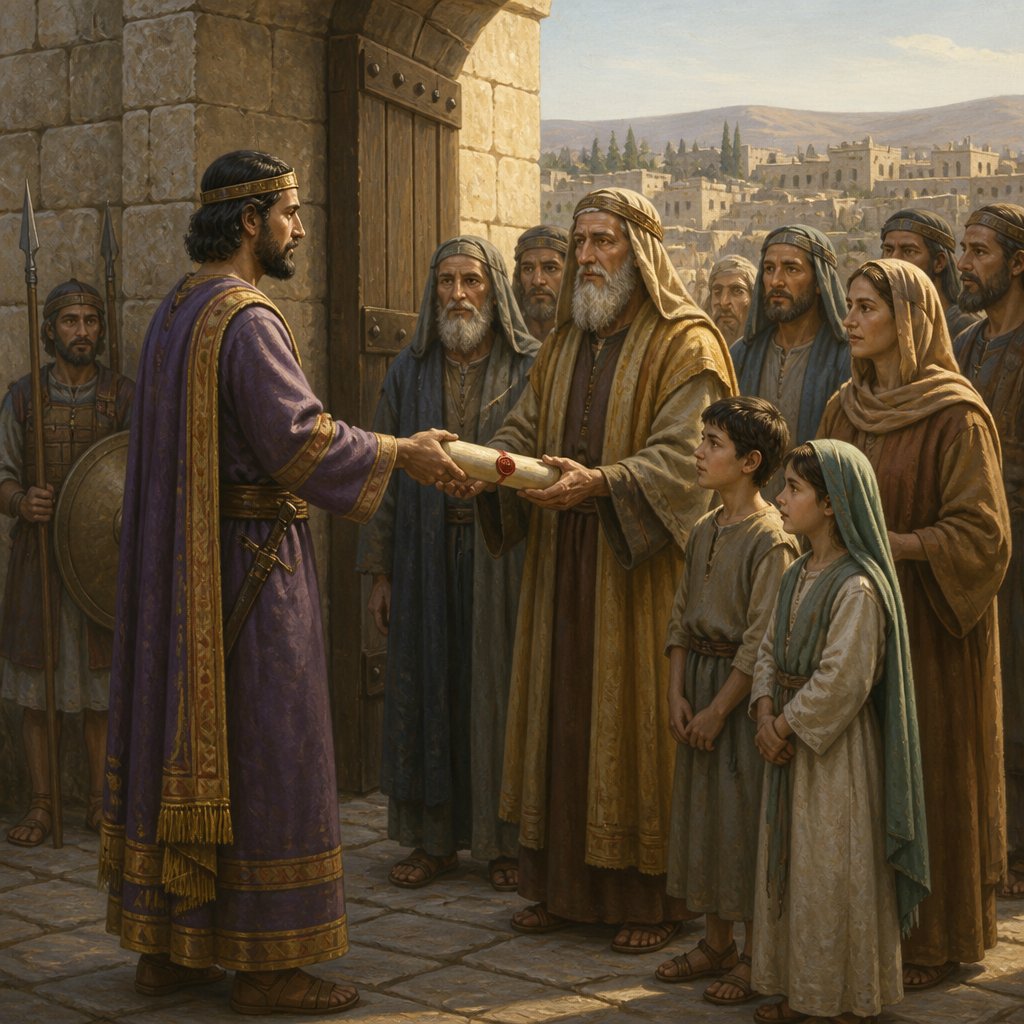
Esther 8:13 (KJV) states, "The copy of the writing for a commandment to be given in every province was published unto all people, and that the Jews should be ready against that day to avenge themselves on their enemies."
In order to fully understand the significance of this verse, it is important to have some background on the Book of Esther. The Book of Esther is a part of the Hebrew Bible and tells the story of a Jewish woman named Esther who becomes Queen of Persia and saves her people from destruction. The verse in question comes at a critical moment in the narrative, when Esther and Mordecai, her cousin and guardian, are working to ensure the safety of the Jewish people who are under threat of extermination by the Persian royal advisor, Haman.
The verse speaks to the moment when Esther has succeeded in persuading her husband, King Xerxes, to issue a decree allowing the Jews to defend themselves against their enemies. This was a crucial turning point in the story, as it meant the Jewish people had the right to defend themselves and potentially gain retribution for the harm and persecution they had suffered. The verse exemplifies the reversal of fortune for the Jewish people and the triumph of justice over oppression.
One of the key themes of this verse is justice and redemption. Throughout the Book of Esther, the Jewish people are under constant threat and oppression, and this verse marks a pivotal moment when they are granted the opportunity to fight back and seek retribution for the harm that has been done to them. It symbolizes the triumph of good over evil and the fulfillment of divine justice.
Another important theme in this verse is the power of courage and faith. Esther displayed immense bravery in risking her life to speak to the king on behalf of her people, and her actions led to a dramatic shift in the fortunes of the Jewish people. This verse serves as a reminder of the power of faith and the courage to stand up for what is right, even in the face of great danger.
The broader context of this verse is the ongoing struggle of the Jewish people for survival and dignity. The story of Esther takes place during a time when the Jewish people were living as a minority in a foreign land and facing persecution. Their resilience and determination in the face of adversity is a central theme throughout the book. This verse represents a significant victory for the Jewish people and a testament to their ability to overcome oppression and adversity.
Symbolically, this verse can be seen as a representation of the broader theme of liberation and freedom. It speaks to the desire of oppressed people everywhere to be able to defend themselves and seek justice for the wrongs done to them. It is a powerful reminder that even in the most dire circumstances, there is always hope for liberation and redemption.
In conclusion, Esther 8:13 (KJV) is a verse that speaks to the themes of justice, redemption, courage, and faith. It represents the triumph of good over evil and the power of the human spirit to overcome oppression. It is a reminder of the ongoing struggle for freedom and dignity, and the belief that justice will ultimately prevail. This verse continues to inspire and resonate with readers today, serving as a timeless reminder of the enduring human desire for liberation and justice.
Get our apps


Artwork for Esther 8:13

Esther 8:13 - "The copy of the writing for a commandment to be given in every province was published unto all people, and that the Jews should be ready against that day to avenge themselves on their enemies."
"The copy of the writing for a commandment to be given in every province was published unto all people, and that the Jews should be ready against that day to avenge themselves on their enemies." - Esther 8:13

Esther 8:4 - "Then the king held out the golden sceptre toward Esther. So Esther arose, and stood before the king,"

Esther 8:1 - "On that day did the king Ahasuerus give the house of Haman the Jews' enemy unto Esther the queen. And Mordecai came before the king; for Esther had told what he was unto her."

Esther 8:4

Esther 4:13 - "Then Mordecai commanded to answer Esther, Think not with thyself that thou shalt escape in the king's house, more than all the Jews."

Esther 9:8 - "And Poratha, and Adalia, and Aridatha,"

Esther 8:7 - "¶ Then the king Ahasuerus said unto Esther the queen and to Mordecai the Jew, Behold, I have given Esther the house of Haman, and him they have hanged upon the gallows, because he laid his hand upon the Jews."

Esther 8:16 - "The Jews had light, and gladness, and joy, and honour."
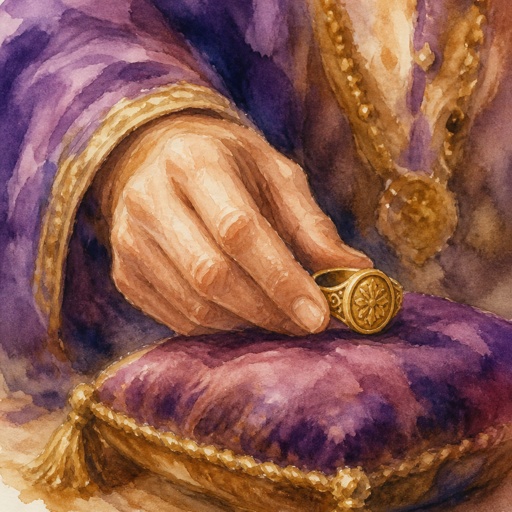
Esther 8:2 focus on the ring

"Then the king held out the golden sceptre toward Esther. So Esther arose, and stood before the king," - Esther 8:4

Esther 8:2 - "And the king took off his ring, which he had taken from Haman, and gave it unto Mordecai. And Esther set Mordecai over the house of Haman."

Esther 9:13 - "Then said Esther, If it please the king, let it be granted to the Jews which are in Shushan to do to morrow also according unto this day's decree, and let Haman's ten sons be hanged upon the gallows."
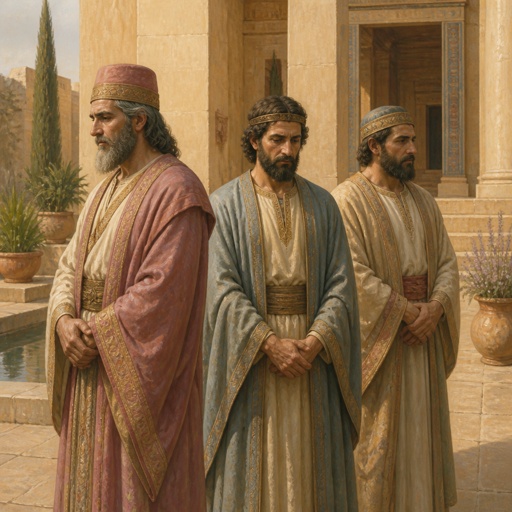
"And Poratha, and Adalia, and Aridatha," - Esther 9:8

Esther 8:3 - "¶ And Esther spake yet again before the king, and fell down at his feet, and besought him with tears to put away the mischief of Haman the Agagite, and his device that he had devised against the Jews."

Esther 2:8 - "¶ So it came to pass, when the king's commandment and his decree was heard, and when many maidens were gathered together unto Shushan the palace, to the custody of Hegai, that Esther was brought also unto the king's house, to the custody of Hegai, keeper of the women."

Esther 5:13 - "Yet all this availeth me nothing, so long as I see Mordecai the Jew sitting at the king's gate."

"On that day did the king Ahasuerus give the house of Haman the Jews' enemy unto Esther the queen. And Mordecai came before the king; for Esther had told what he was unto her." - Esther 8:1

Esther 8:8 - "Write ye also for the Jews, as it liketh you, in the king's name, and seal it with the king's ring: for the writing which is written in the king's name, and sealed with the king's ring, may no man reverse."

Esther 7:8 - "Then the king returned out of the palace garden into the place of the banquet of wine; and Haman was fallen upon the bed whereon Esther was. Then said the king, Will he force the queen also before me in the house? As the word went out of the king's mouth, they covered Haman's face."
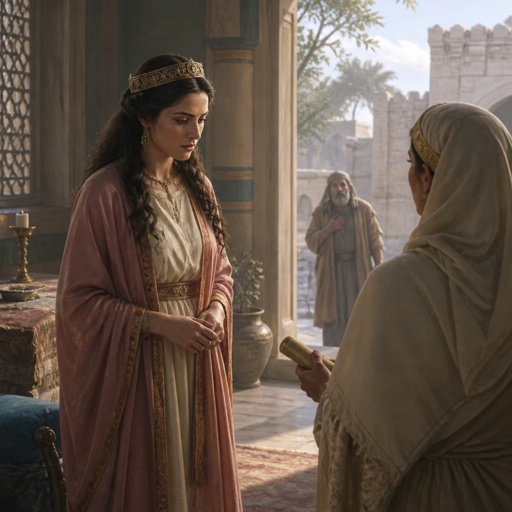
"Then Mordecai commanded to answer Esther, Think not with thyself that thou shalt escape in the king's house, more than all the Jews." - Esther 4:13

Esther 4:8 - "Also he gave him the copy of the writing of the decree that was given at Shushan to destroy them, to shew it unto Esther, and to declare it unto her, and to charge her that she should go in unto the king, to make supplication unto him, and to make request before him for her people."
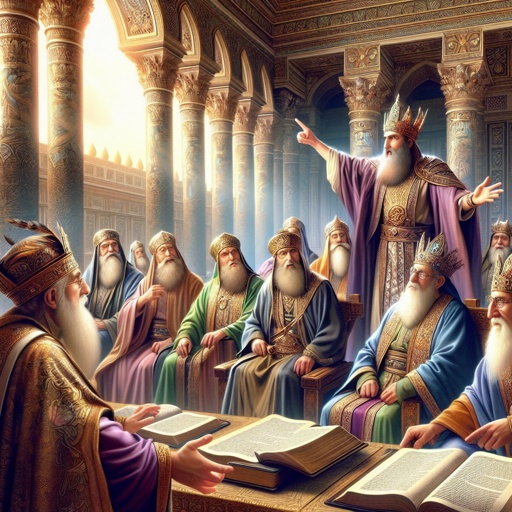
Esther 1:13 - "¶ Then the king said to the wise men, which knew the times, (for so was the king's manner toward all that knew law and judgment:"
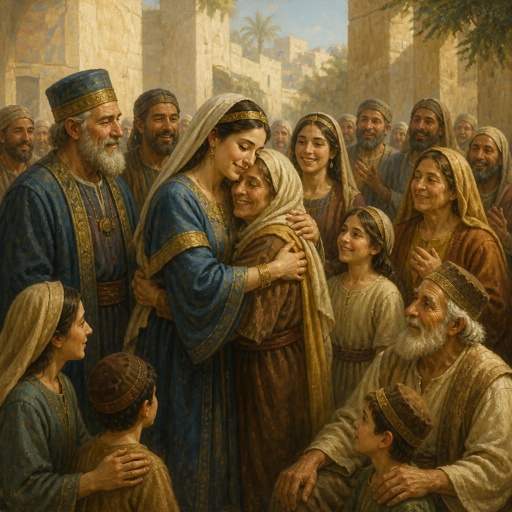
"The Jews had light, and gladness, and joy, and honour." - Esther 8:16

Esther 8:14 - "So the posts that rode upon mules and camels went out, being hastened and pressed on by the king's commandment. And the decree was given at Shushan the palace."

Esther 8:10 - "And he wrote in the king Ahasuerus' name, and sealed it with the king's ring, and sent letters by posts on horseback, and riders on mules, camels, and young dromedaries:"

Esther 8:12 - "Upon one day in all the provinces of king Ahasuerus, namely, upon the thirteenth day of the twelfth month, which is the month Adar."

Esther 2:13 - "Then thus came every maiden unto the king; whatsoever she desired was given her to go with her out of the house of the women unto the king's house."

Esther 8:6 - "For how can I endure to see the evil that shall come unto my people? or how can I endure to see the destruction of my kindred?"

Esther 6:8 - "Let the royal apparel be brought which the king useth to wear, and the horse that the king rideth upon, and the crown royal which is set upon his head:"