Divine Justice and the Power of Remembrance
“And Poratha, and Adalia, and Aridatha,” — Esther 9:8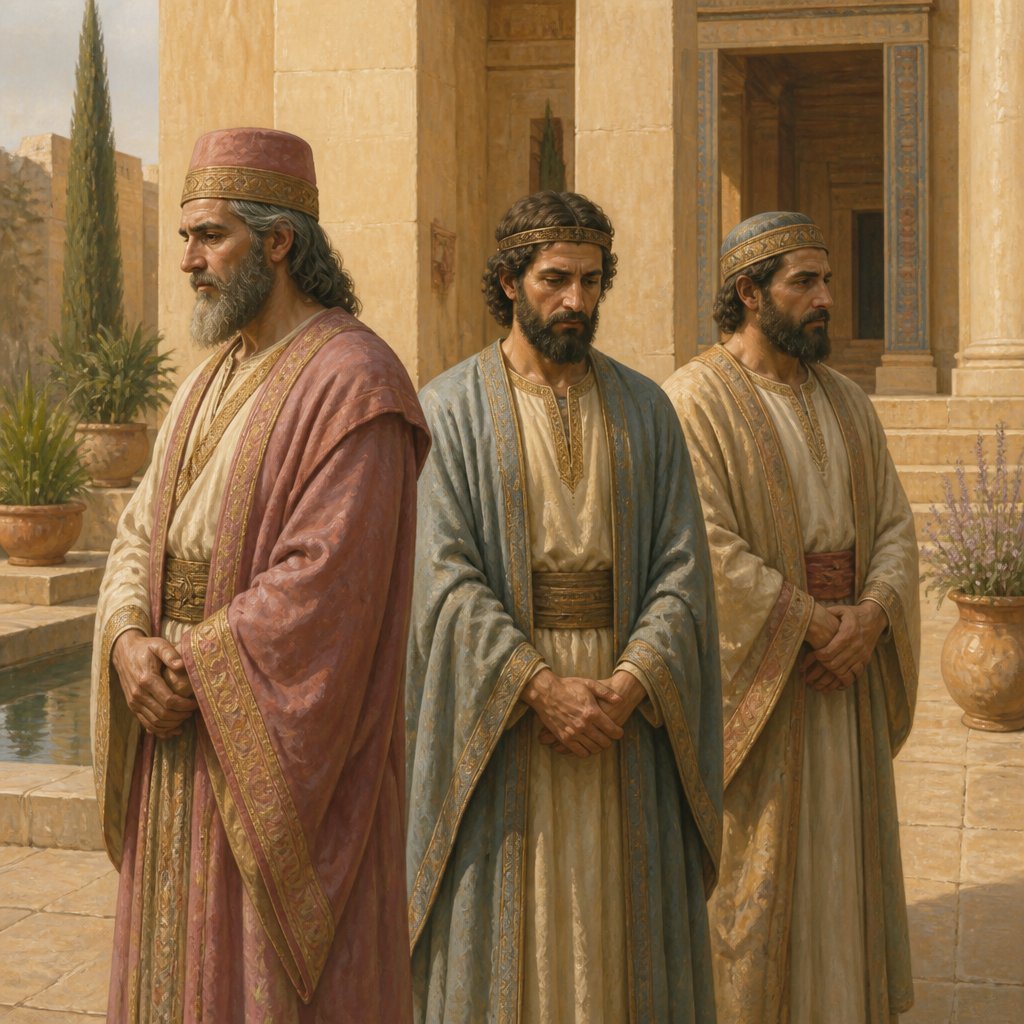
**Devotional: Divine Justice and the Power of Remembrance**
**Scripture: Esther 9:8 (KJV)**
"And Poratha, and Adalia, and Aridatha,"
The verse from Esther 9:8, though it may appear to be merely a list of names, encapsulates a profound narrative of justice, remembrance, and divine intervention that resonates deeply with the essence of faith and the faithful throughout generations. In the book of Esther, we encounter a tapestry woven with threads of courage, fate, and the unwavering hand of God, revealing how individuals impact a community and how their stories intertwine within the grand narrative of God’s plan.
As we delve into the significance of this verse, let’s step into the context surrounding it. The Jews, once facing annihilation at the hands of Haman, were saved through the courage of Esther, who boldly approached the king, risking her life to advocate for her people. This deliverance was a turning point in their history, and the subsequent celebration of Purim is a testament to the importance of remembrance.
Each name, Poratha, Adalia, and Aridatha, represents individuals who were potentially affected by this narrative of salvation. This servitude passage symbolizes the lives lived in the backdrop of Esther's bravery – they were not mere characters in a story; they were part of a lived experience of God’s faithfulness. It prompts us to reflect:
- **Why are names important in the annals of history?**
- **How does remembering those who stood with us is essential in our spiritual journey?**
Throughout the Bible, we see the theme of memorializing individuals and events. The Israelites were instructed to remember their deliverance from Egypt, just as we are called to remember the death and resurrection of Christ. Keeping remembrance alive allows us to acknowledge God’s hand within our lives and the lives of others - those who prayed for us, those who guided us, and even those who stood in the shadows during our times of trial.
The act of recalling names in Esther reflects the reality that each person has a unique part to play in God’s unfolding story. God sees you, and He sees your circumstances. In times of despair, it can be easy to feel overlooked or forgotten, but as we observe the attention given to individuals in this verse, we are reminded that no life is insignificant. Just as each name carries weight in the story of Esther, each of us has been individually crafted for a purpose within God’s greater tapestry.
In our prayers, we must not forget to include the "Porathas" and "Adalias" of our lives – those individuals who may not hold prominent roles but whose presence bolsters our faith. Their faithful prayer, kindness in the mundane, and presence in our struggles contribute to our victory in Christ.
Moreover, the verse invites us to celebrate the goodness of our deliverance. Just as the Jews celebrated their survival during Purim, we too are called to celebrate our saviors and deliverances, recounting testimonies that testify of God’s faithfulness. In moments of doubt or anxiety, recalling past incidents of God’s intervention or the blessing of community can reignite hope and faith within us.
Let us cultivate an attitude of remembrance. Let us remember both the great deliverances of God and the roles of everyday people in those stories. When we recount our testimonies and share our stories, we are not merely engaging in nostalgia; we are declaring that the God of Esther – a God who intervenes, saves, and remembers – is still active today in our lives and in our communities.
In closing, may we take a moment to pray for those names that come to mind as we reflect on God's faithful presence in our lives. Let us remember their sacrifices, witness their resilience, and honor their contribution to God's legacy of love, justice, and faithfulness. May we also be inspired not only to celebrate the remembered but to become agents of God’s story for others too.
Get our apps


Artwork for Esther 9:8

Esther 9:8 - "And Poratha, and Adalia, and Aridatha,"
"And Poratha, and Adalia, and Aridatha," - Esther 9:8

Esther 8:4 - "Then the king held out the golden sceptre toward Esther. So Esther arose, and stood before the king,"

Esther 4:9 - "And Hatach came and told Esther the words of Mordecai."

Esther 9:32 - "And the decree of Esther confirmed these matters of Purim; and it was written in the book."

Esther 9:9 - "And Parmashta, and Arisai, and Aridai, and Vajezatha,"

Esther 8:1 - "On that day did the king Ahasuerus give the house of Haman the Jews' enemy unto Esther the queen. And Mordecai came before the king; for Esther had told what he was unto her."

Esther 8:4

Esther 9:29 - "Then Esther the queen, the daughter of Abihail, and Mordecai the Jew, wrote with all authority, to confirm this second letter of Purim."

"And Hatach came and told Esther the words of Mordecai." - Esther 4:9

Esther 9:7 - "And Parshandatha, and Dalphon, and Aspatha,"

"And the decree of Esther confirmed these matters of Purim; and it was written in the book." - Esther 9:32

Esther 8:7 - "¶ Then the king Ahasuerus said unto Esther the queen and to Mordecai the Jew, Behold, I have given Esther the house of Haman, and him they have hanged upon the gallows, because he laid his hand upon the Jews."
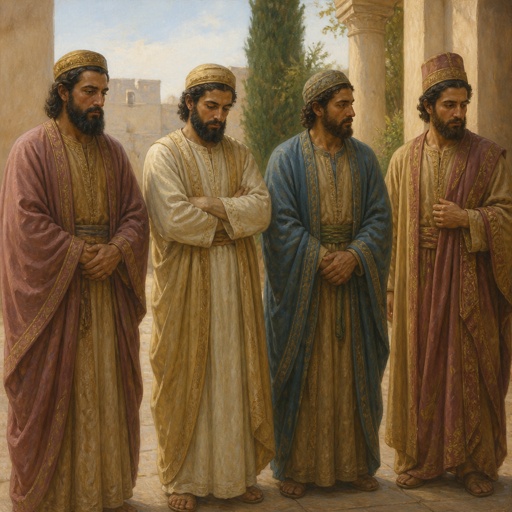
"And Parmashta, and Arisai, and Aridai, and Vajezatha," - Esther 9:9

Esther 8:16 - "The Jews had light, and gladness, and joy, and honour."
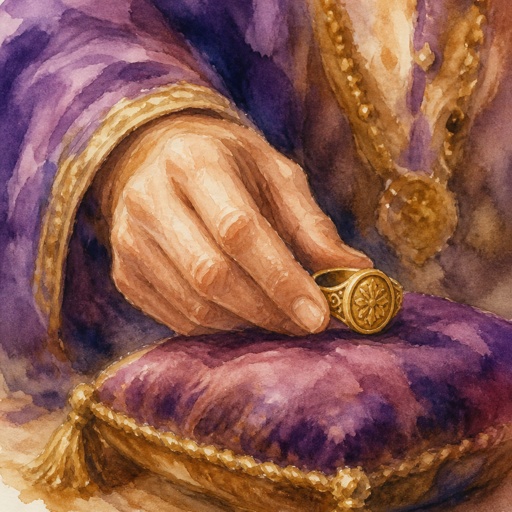
Esther 8:2 focus on the ring

"Then the king held out the golden sceptre toward Esther. So Esther arose, and stood before the king," - Esther 8:4

Esther 8:2 - "And the king took off his ring, which he had taken from Haman, and gave it unto Mordecai. And Esther set Mordecai over the house of Haman."

Esther 9:31 - "To confirm these days of Purim in their times appointed, according as Mordecai the Jew and Esther the queen had enjoined them, and as they had decreed for themselves and for their seed, the matters of the fastings and their cry."

Esther 9:13 - "Then said Esther, If it please the king, let it be granted to the Jews which are in Shushan to do to morrow also according unto this day's decree, and let Haman's ten sons be hanged upon the gallows."
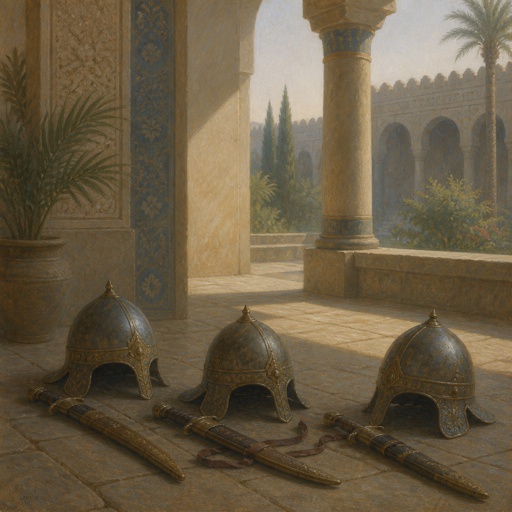
"And Parshandatha, and Dalphon, and Aspatha," - Esther 9:7

Esther 8:3 - "¶ And Esther spake yet again before the king, and fell down at his feet, and besought him with tears to put away the mischief of Haman the Agagite, and his device that he had devised against the Jews."

Esther 9:6 - "And in Shushan the palace the Jews slew and destroyed five hundred men."

Esther 9:25 - "But when Esther came before the king, he commanded by letters that his wicked device, which he devised against the Jews, should return upon his own head, and that he and his sons should be hanged on the gallows."

Esther 9:10 - "The ten sons of Haman the son of Hammedatha, the enemy of the Jews, slew they; but on the spoil laid they not their hand."

Esther 9:11 - "On that day the number of those that were slain in Shushan the palace was brought before the king."

Esther 9:23 - "And the Jews undertook to do as they had begun, and as Mordecai had written unto them;"
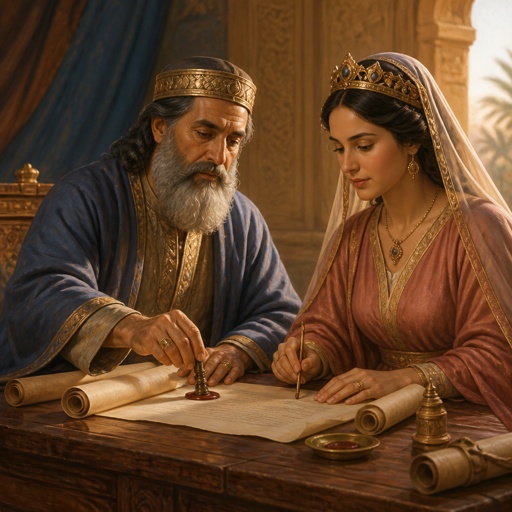
"Then Esther the queen, the daughter of Abihail, and Mordecai the Jew, wrote with all authority, to confirm this second letter of Purim." - Esther 9:29

Esther 9:17 - "On the thirteenth day of the month Adar; and on the fourteenth day of the same rested they, and made it a day of feasting and gladness."

Esther 1:9 - "Also Vashti the queen made a feast for the women in the royal house which belonged to king Ahasuerus."