The book of Esther in the Bible tells the story of a Jewish woman who becomes queen of Persia and ultimately saves her people from a plot to exterminate them. The verse Esther 9:8 from the King James Version reads:
"The meaning of this verse can be better understood in the context of the events leading up to this point in the story. At this point, the Jewish people had been granted permission by King Xerxes to defend themselves against those who sought to harm them. The verse describes the actions of the Jews after they had been given the right to defend themselves.
To fully grasp the significance of Esther 9:8, it is important to look at the themes and context of the entire book of Esther. The book of Esther is unique among the books of the Bible in that it does not explicitly mention the name of God, yet it is clear that God's providence is at work throughout the story. The book shows how the Jewish people, who were in exile and living as a minority in a foreign land, were ultimately saved from destruction through the courage and faith of Esther and the intervention of God.
One of the key themes in the book of Esther is the providence of God. Even though God's name is not mentioned in the book, His hand is clearly at work in the events that unfold. Esther is chosen to be queen, and her position allows her to intercede on behalf of her people. Mordecai, Esther's cousin, plays a crucial role in uncovering and thwarting a plot to assassinate the king. These events show how God works behind the scenes to bring about His purposes, even in the most unlikely and uncertain circumstances.
Another important theme in the book of Esther is the faith and courage of the characters. Esther risks her life by approaching the king uninvited to plead for the lives of her people, knowing that she could be put to death for doing so. Mordecai also demonstrates great courage in refusing to bow down to Haman, a high-ranking official who seeks to destroy the Jewish people. The actions of these characters highlight the importance of taking a stand for what is right, even in the face of great personal risk.
The verse Esther 9:8 captures the culmination of these themes as it describes the actions of the Jewish people in defending themselves against their enemies. The verse speaks to the courage and determination of the Jewish people to stand up against those who sought to harm them. It also symbolizes the victory of the oppressed over their oppressors, as the Jewish people are able to defend themselves and emerge victorious.
In summary, Esther 9:8 is a pivotal verse that captures the themes of providence, courage, and victory that are central to the book of Esther. It serves as a powerful reminder of God's faithfulness and the triumph of good over evil. The verse also holds significance for believers today, as it encourages us to have the courage to stand up for what is right and trust in God's providential care, even in the face of adversity."
Get our apps


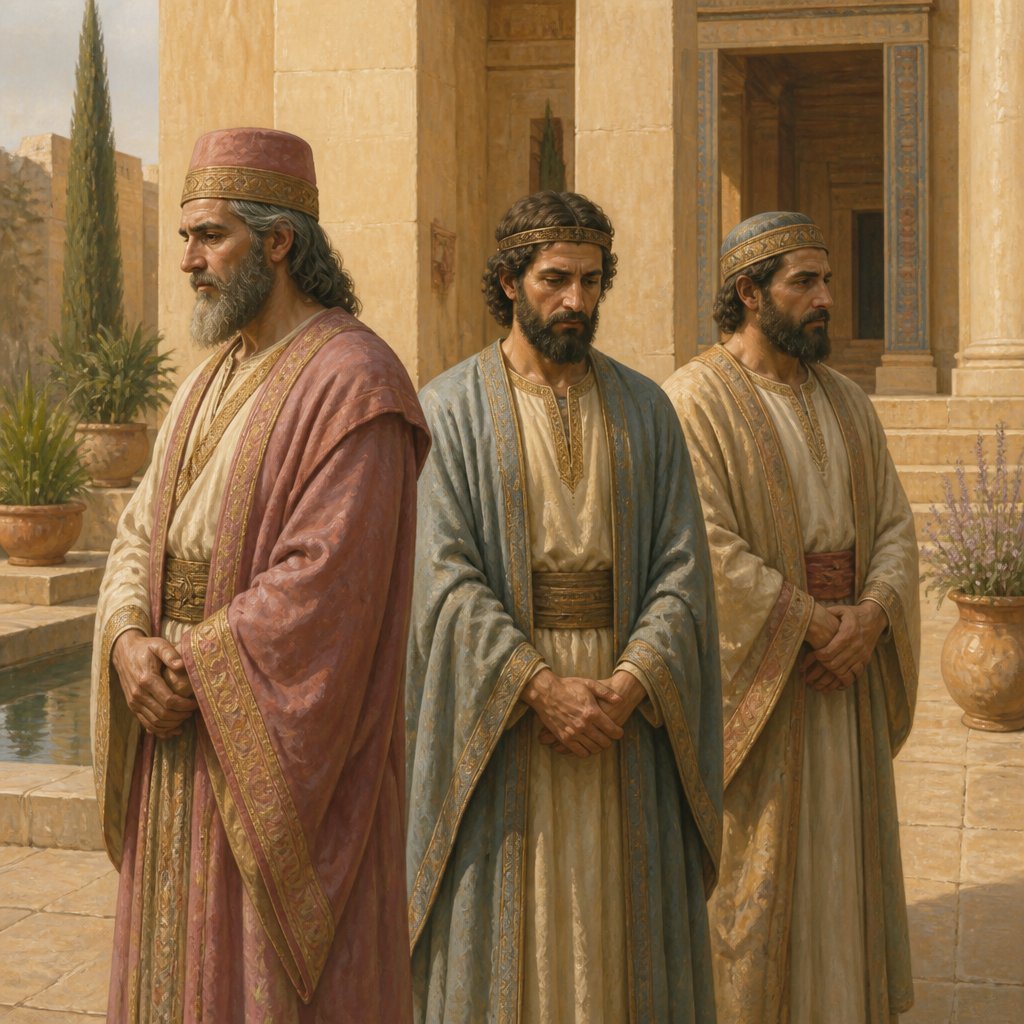
Artwork for Esther 9:8

Esther 9:8 - "And Poratha, and Adalia, and Aridatha,"
"And Poratha, and Adalia, and Aridatha," - Esther 9:8

Esther 8:4 - "Then the king held out the golden sceptre toward Esther. So Esther arose, and stood before the king,"

Esther 4:9 - "And Hatach came and told Esther the words of Mordecai."

Esther 9:32 - "And the decree of Esther confirmed these matters of Purim; and it was written in the book."

Esther 9:9 - "And Parmashta, and Arisai, and Aridai, and Vajezatha,"

Esther 8:1 - "On that day did the king Ahasuerus give the house of Haman the Jews' enemy unto Esther the queen. And Mordecai came before the king; for Esther had told what he was unto her."
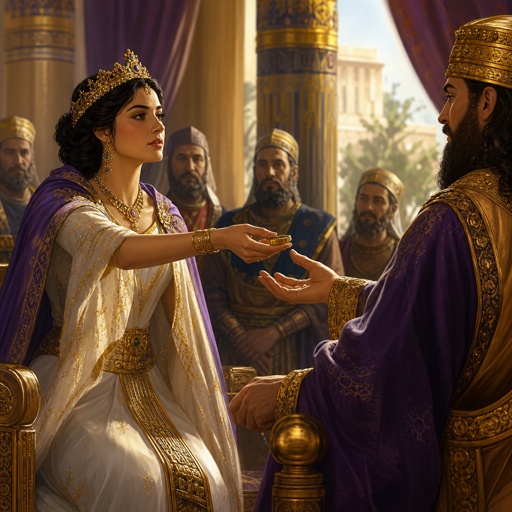
Esther 8:4

Esther 9:29 - "Then Esther the queen, the daughter of Abihail, and Mordecai the Jew, wrote with all authority, to confirm this second letter of Purim."

"And Hatach came and told Esther the words of Mordecai." - Esther 4:9

Esther 9:7 - "And Parshandatha, and Dalphon, and Aspatha,"

"And the decree of Esther confirmed these matters of Purim; and it was written in the book." - Esther 9:32

Esther 8:7 - "¶ Then the king Ahasuerus said unto Esther the queen and to Mordecai the Jew, Behold, I have given Esther the house of Haman, and him they have hanged upon the gallows, because he laid his hand upon the Jews."
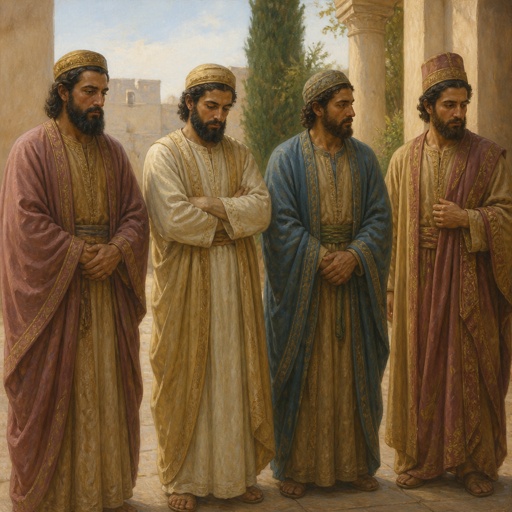
"And Parmashta, and Arisai, and Aridai, and Vajezatha," - Esther 9:9

Esther 8:16 - "The Jews had light, and gladness, and joy, and honour."
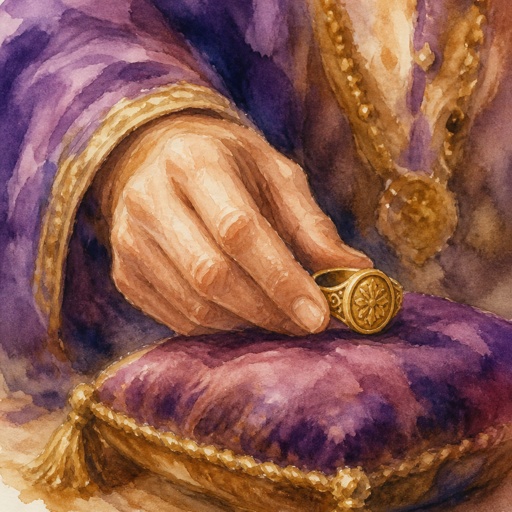
Esther 8:2 focus on the ring

"Then the king held out the golden sceptre toward Esther. So Esther arose, and stood before the king," - Esther 8:4

Esther 8:2 - "And the king took off his ring, which he had taken from Haman, and gave it unto Mordecai. And Esther set Mordecai over the house of Haman."

Esther 9:31 - "To confirm these days of Purim in their times appointed, according as Mordecai the Jew and Esther the queen had enjoined them, and as they had decreed for themselves and for their seed, the matters of the fastings and their cry."

Esther 9:13 - "Then said Esther, If it please the king, let it be granted to the Jews which are in Shushan to do to morrow also according unto this day's decree, and let Haman's ten sons be hanged upon the gallows."
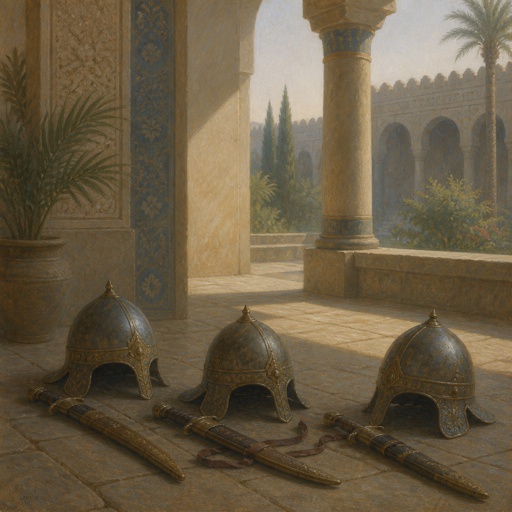
"And Parshandatha, and Dalphon, and Aspatha," - Esther 9:7

Esther 8:3 - "¶ And Esther spake yet again before the king, and fell down at his feet, and besought him with tears to put away the mischief of Haman the Agagite, and his device that he had devised against the Jews."

Esther 9:6 - "And in Shushan the palace the Jews slew and destroyed five hundred men."

Esther 9:25 - "But when Esther came before the king, he commanded by letters that his wicked device, which he devised against the Jews, should return upon his own head, and that he and his sons should be hanged on the gallows."

Esther 9:10 - "The ten sons of Haman the son of Hammedatha, the enemy of the Jews, slew they; but on the spoil laid they not their hand."

Esther 9:11 - "On that day the number of those that were slain in Shushan the palace was brought before the king."

Esther 9:23 - "And the Jews undertook to do as they had begun, and as Mordecai had written unto them;"
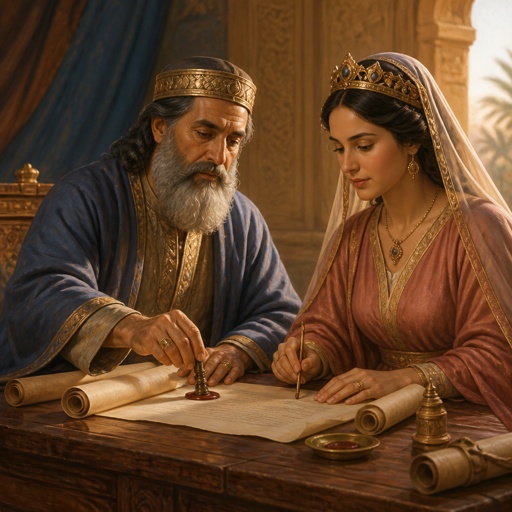
"Then Esther the queen, the daughter of Abihail, and Mordecai the Jew, wrote with all authority, to confirm this second letter of Purim." - Esther 9:29

Esther 9:17 - "On the thirteenth day of the month Adar; and on the fourteenth day of the same rested they, and made it a day of feasting and gladness."

Esther 1:9 - "Also Vashti the queen made a feast for the women in the royal house which belonged to king Ahasuerus."