The Covenant of Inclusion: Embracing the Family of God
“But every man’s servant that is bought for money, when thou hast circumcised him, then shall he eat thereof.” — Exodus 12:44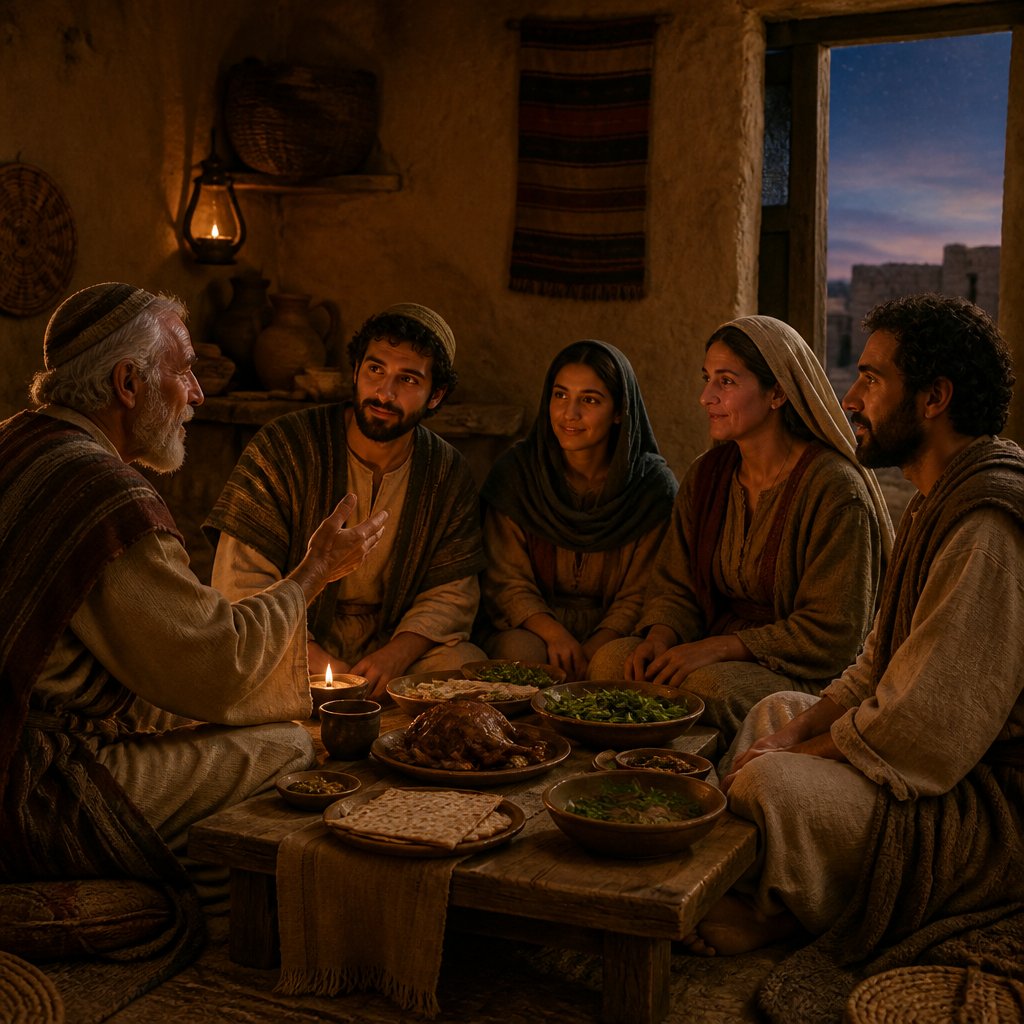
As we dive into Exodus 12:44, "But every man's servant that is bought for money, when thou hast circumcised him, then shall he eat thereof," we are presented with a glimpse into the communal life of the ancient Israelites. This passage offers practical implications for understanding the covenant community and points toward a deeper spiritual truth regarding inclusion and belonging among God’s people.
In the context of the Exodus narrative, the Israelite people were preparing for the Passover meal, a pivotal moment marking their deliverance from Egyptian bondage. The term ‘servant’ here refers to a slave or hired laborer, who, in that time and culture, could either be an Israelite or a non-Israelite. The instruction that those servants must first undergo circumcision to partake in the Passover meal underscores a significant theological principle: membership in the community of God requires a personal commitment to His covenant.
Circumcision was more than a physical act; it was a sign of the covenant established between God and Abraham. It signified a promise of identity, belonging, and spiritual heritage. The command here implies that the servants, though previously considered outsiders, are offered a pathway into the community of faith. They too are invited to partake in God’s salvation, echoing the heart of God, who desires all to come to Him.
This inclusivity speaks volumes about God’s plan for humanity. God did not limit His grace and covenant to ethnic Israel alone, but extended it to those who were willing to step into the covenant relationship through obedience and faith. In essence, God is saying that anyone—regardless of their background or past—can be redeemed and become part of His people if they choose to step forward in faith, represented here through the act of circumcision.
As believers today, this passage prompts us to reflect on several key lessons:
1. **The Call to Inclusion**: We are reminded of our call to embrace those who are different from us, those who bear scars of their past, or those who might feel marginalized within our communities. Just as the Israelite community made allowances for outsiders, we must create a culture where everyone can experience the love of Christ and the acceptance of His family.
2. **The Nature of Obedience**: There is an inherent call to action on our part. The act of circumcision required a willingness to submit to God’s covenant—this speaks to the nature of obedience in our relationship with God. We must be willing to make sacrifices and take steps of faith that align with God's commands and the way He has chosen for us.
3. **The Power of Redemption**: This passage reflects God's intention to redeem and restore. The invitation to partake in the Passover illustrates that God is in the business of bringing people, regardless of their status, into a relationship with Him—a relationship defined by grace, acceptance, and a place at His table.
4. **Celebrating Our Identity**: Finally, being part of the covenant community means recognizing our identity in Christ. Just like the circumcision provided identity to the servants, our newfound identity in Christ because of His sacrifice on the cross emboldens us to live as children of God, free from the bondage of sin and shame.
As we meditate on Exodus 12:44, let it inspire us to become vessels of God’s inclusivity. Let us advocate for a community that mirrors the heart of God—one that welcomes, nurtures, and celebrates all who come to Him in faith. May we commit to fostering environments where transformation and inclusion abound, reflecting the love and grace that God has so freely given to us. Amen.
Get our apps


Artwork for Exodus 12:44

Exodus 12:44 - "But every man's servant that is bought for money, when thou hast circumcised him, then shall he eat thereof."
"But every man's servant that is bought for money, when thou hast circumcised him, then shall he eat thereof." - Exodus 12:44

Mark 12:41 - 44
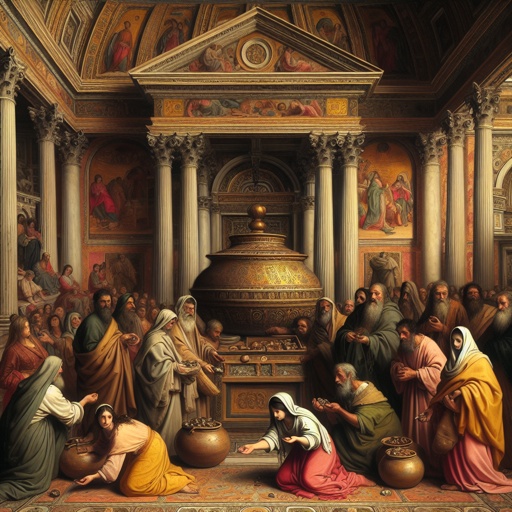
Mark 12:41 - 44

Mark 12:41 - 44

Mark 12:41 - 44

Mark 12:41 - 44

Genesis 44:12 - "And he searched, and began at the eldest, and left at the youngest: and the cup was found in Benjamin's sack."

Psalms 44:12 - "Thou sellest thy people for nought, and dost not increase thy wealth by their price."

John 12:44 - "¶ Jesus cried and said, He that believeth on me, believeth not on me, but on him that sent me."

Exodus 29:44 - "And I will sanctify the tabernacle of the congregation, and the altar: I will sanctify also both Aaron and his sons, to minister to me in the priest's office."

Exodus 12:12

Luke 12:44 - "Of a truth I say unto you, that he will make him ruler over all that he hath."

Mark 12:44 - "For all they did cast in of their abundance; but she of her want did cast in all that she had, even all her living."

Exodus 3:12

Exodus 3:12

Exodus 3:12

Exodus 3:12

Exodus 3:12

Exodus 12:33

Exodus 10:12

Exodus 12:7
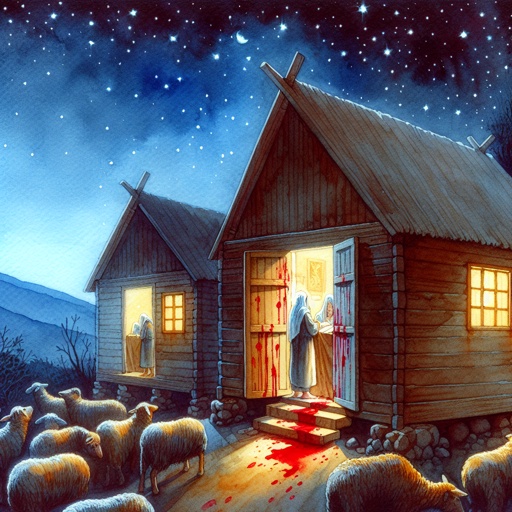
Exodus 12:13

Exodus 10:12

Exodus 10:12

Exodus 3:12

Exodus 3:12

Exodus 12:7

Matthew 12:44 - "Then he saith, I will return into my house from whence I came out; and when he is come, he findeth it empty, swept, and garnished."

Exodus 12:1-19