What does Exodus 12:44 mean?
“But every man’s servant that is bought for money, when thou hast circumcised him, then shall he eat thereof.” — Exodus 12:44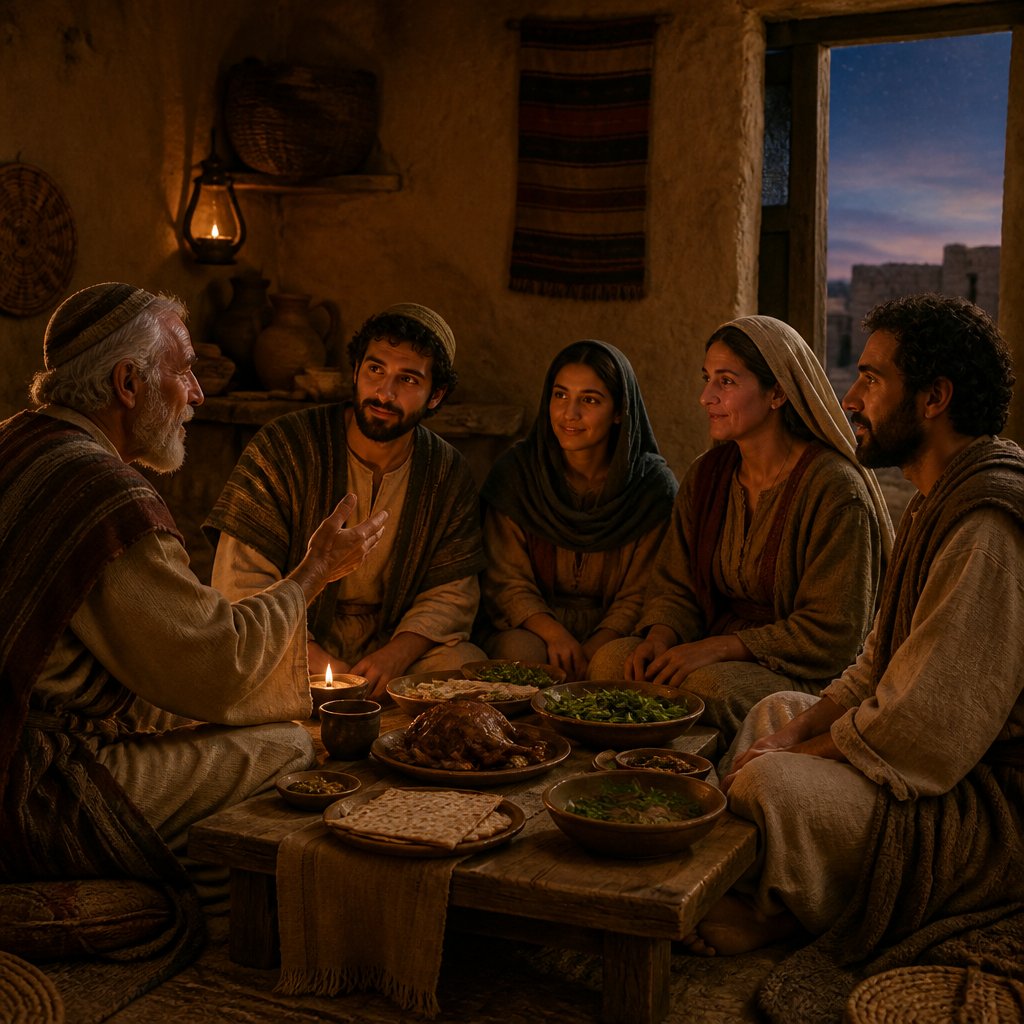
Exodus 12:44 in the King James Version (KJV) of the Bible states, "But every man's servant that is bought for money, when thou hast circumcised him, then shall he eat thereof." This verse is part of the detailed instructions given to the Israelites for the observance of the Passover. The Passover is a significant event in the Old Testament, marking the exodus of the Israelites from slavery in Egypt and the beginning of their journey to the promised land. This verse specifically addresses the inclusion of servants in the observance of the Passover feast.
The context of this verse is in the middle of God's instructions to Moses and Aaron regarding the procedures for celebrating the Passover. In the preceding verses, God outlines the requirements for obtaining and preparing the Passover lamb, as well as the specific instructions for the meal itself. Verses 43 and 45 discuss who may participate in the Passover, emphasizing that no foreigner or hired servant may eat of it unless they are circumcised. The verse in question, Exodus 12:44, serves as a further clarification of this requirement, stating that even purchased servants must be circumcised in order to partake in the Passover feast.
The significance of circumcision in this verse is two-fold. First, circumcision was a sign of the covenant between God and the Israelites, as established with Abraham in Genesis 17. By requiring circumcision for participation in the Passover, God is reinforcing the importance of this covenant and the identity of the Israelites as His chosen people. Secondly, circumcision was a physical and spiritual marking of the Israelites' commitment to obeying and following God's commands. This act of obedience was a central theme throughout the Old Testament, and it is highlighted here in the context of the Passover observance.
The larger themes present in Exodus 12:44 include the concepts of inclusion, identity, and obedience. The inclusion of servants in the Passover feast demonstrates God's desire for all members of the community to participate in the commemoration of their deliverance from slavery. This reflects a broader theme of God's inclusive love and provision for all who choose to align themselves with His covenant. The emphasis on circumcision underscores the importance of identity and commitment within the community of believers, as well as the necessity of obedience to God's commands.
Symbolically, the act of circumcision in this verse represents the idea of consecration and dedication to God. It serves as a reminder that participation in the Passover, and by extension, the covenant relationship with God, requires a deliberate and personal commitment. The physical act of circumcision reflects the internal, spiritual transformation that is necessary for true communion with God. In this way, the verse serves as a foreshadowing of the new covenant in Christ, where the focus shifts from physical markers to the circumcision of the heart (Romans 2:29), symbolizing a deeper, more profound commitment to God.
In conclusion, Exodus 12:44 carries rich theological and symbolic significance within the broader narrative of the Passover and the Israelites' journey from slavery to freedom. The emphasis on circumcision, inclusion, and obedience all speak to the central themes of identity and commitment within God's covenant community. This verse serves as a reminder of the importance of consecration and dedication in our relationship with God, as well as a foreshadowing of the spiritual transformation that is made possible through the new covenant in Christ.
Get our apps


Artwork for Exodus 12:44

Exodus 12:44 - "But every man's servant that is bought for money, when thou hast circumcised him, then shall he eat thereof."
"But every man's servant that is bought for money, when thou hast circumcised him, then shall he eat thereof." - Exodus 12:44

Mark 12:41 - 44
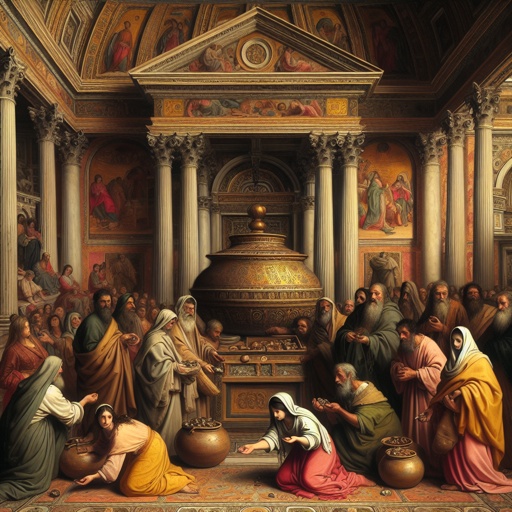
Mark 12:41 - 44

Mark 12:41 - 44

Mark 12:41 - 44

Mark 12:41 - 44

Genesis 44:12 - "And he searched, and began at the eldest, and left at the youngest: and the cup was found in Benjamin's sack."

Psalms 44:12 - "Thou sellest thy people for nought, and dost not increase thy wealth by their price."

John 12:44 - "¶ Jesus cried and said, He that believeth on me, believeth not on me, but on him that sent me."

Exodus 29:44 - "And I will sanctify the tabernacle of the congregation, and the altar: I will sanctify also both Aaron and his sons, to minister to me in the priest's office."

Exodus 12:12

Luke 12:44 - "Of a truth I say unto you, that he will make him ruler over all that he hath."

Mark 12:44 - "For all they did cast in of their abundance; but she of her want did cast in all that she had, even all her living."

Exodus 3:12

Exodus 3:12

Exodus 3:12

Exodus 3:12

Exodus 3:12

Exodus 12:33

Exodus 10:12

Exodus 12:7
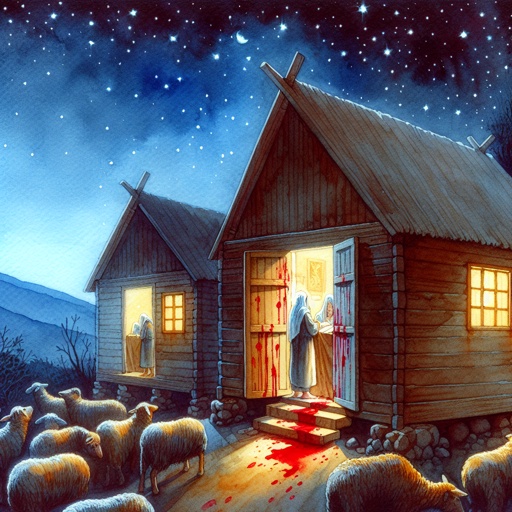
Exodus 12:13

Exodus 10:12

Exodus 10:12

Exodus 3:12

Exodus 3:12

Exodus 12:7

Matthew 12:44 - "Then he saith, I will return into my house from whence I came out; and when he is come, he findeth it empty, swept, and garnished."

Exodus 12:1-19