The Sovereignty of God in Our Trials
“And I will harden Pharaoh’s heart, that he shall follow after them; and I will be honoured upon Pharaoh, and upon all his host; that the Egyptians may know that I am the LORD. And they did so.” — Exodus 14:4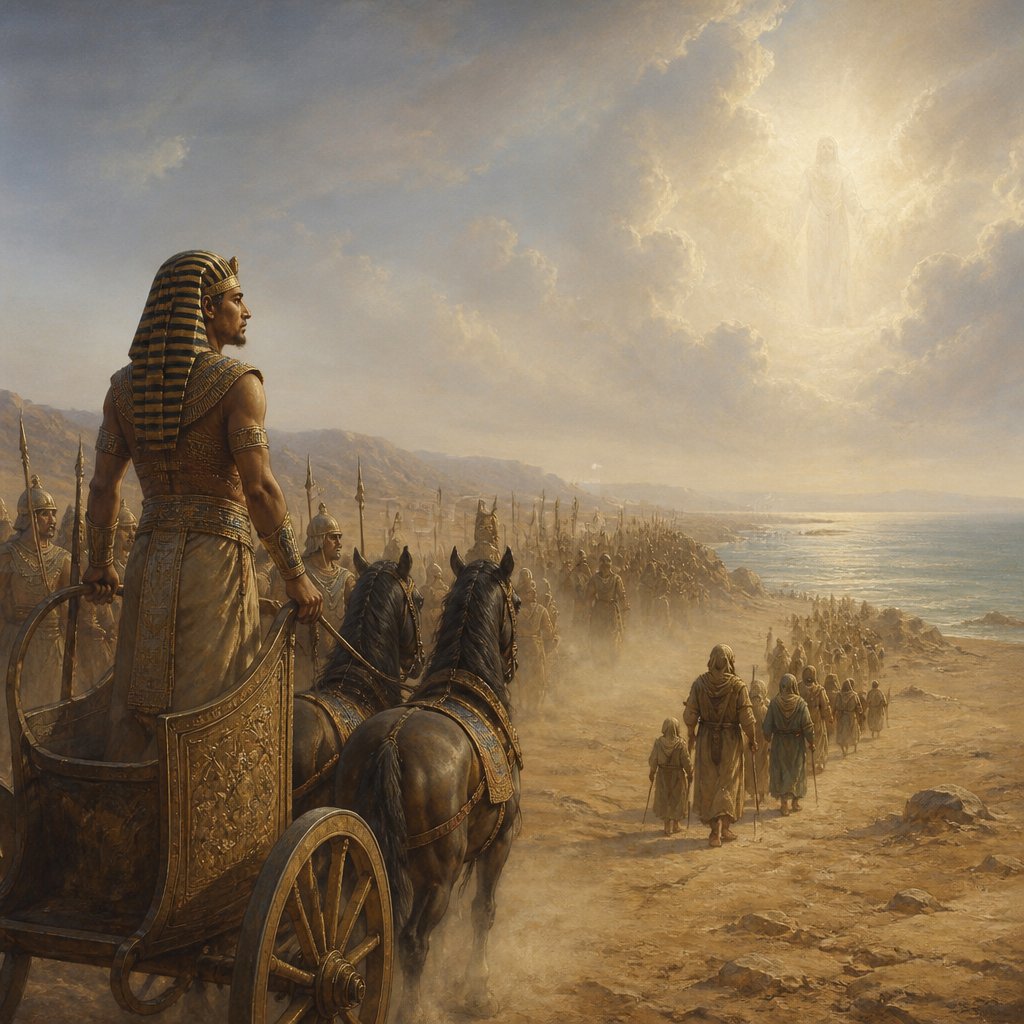
In Exodus 14:4, we find a profound declaration that exposes the intricacies of divine sovereignty, human rebellion, and God’s ultimate purpose in the grand narrative of redemption. The verse states: "And I will harden Pharaoh's heart, that he shall follow after them; and I will be honoured upon Pharaoh, and upon all his host; that the Egyptians may know that I am the LORD. And they did so."
This declarative statement unfolds against the backdrop of Israel's exodus from Egypt, where the people of God, enslaved for generations, were finally being led toward their promised liberation. Yet, the route to freedom was fraught with peril and tension. As they stood at the edge of the Red Sea, they were not only challenged by the mighty waters before them but also by the relentless pursuit of Pharaoh’s army behind them. Here, we witness not just a historical event, but a quintessential moment that reveals the heart of God: His desire to be known and glorified.
The hardening of Pharaoh’s heart is one of the most sobering aspects of this account. In various chapters leading up to this moment, we see Pharaoh given numerous chances to relent and recognize God's authority. Time and time again, he hardens his heart against the commandments of the Lord, choosing pride, arrogance, and resistance over obedience. God's pronouncement that He would harden Pharaoh’s heart serves to remind us that there is a duality to human choice and divine orchestration. The choices we make can lead us deeper into darkness or toward the light, and those choices, particularly in the face of God’s calling, resonate across our lives.
One of the dimensions of this divine word is to establish God's ultimate authority over all creation. "That I will be honoured upon Pharaoh, and upon all his host; that the Egyptians may know that I am the LORD." This proclamation is multifaceted. God desires not only that the Israelites would recognize His power but that the Egyptians—the very ones who had oppressed them—might also come to the understanding of who He truly is. This act of lifting His name above all other false gods reveals God's character as both Judge and Redeemer. In our trials, we often desire immediate deliverance without understanding the broader implications of our situation. God’s plans encompass more than just our comfort; they often include a revelation of His nature to those around us.
Furthermore, this encounter underscores the theme of God’s sovereignty through seemingly unsurmountable odds. The dire circumstances faced by the Israelites were not just challenges; they served as a stage for God's glory to be displayed. In our own lives, we may find ourselves trapped between the Red Sea of our circumstances and the armies of despair and doubt pursuing us. Yet, it is often in these moments that God demonstrates His unshakeable will and power, revealing to us, and to those around us, that He is still the God who honors His word, fulfills His promises, and delivers His people.
Consider this: our struggles and afflictions are not wasted; they serve a greater purpose. Like Pharaoh, we may be resistant. We may choose to harden our hearts against the new directions God is trying to lead us in. Yet, it is through our surrender to God’s sovereignty that we find true freedom. Just as God used the oppressor's hardened heart to reveal His glory, He can also turn our trials into testimonies. He can wield our pain for a purpose that not only transforms our lives but brings glory to His name.
In concluding moments of contemplation, ask yourself: What realities in my life seem insurmountable? Where am I finding it challenging to submit to God’s plan? And how might my story reveal God's glory to those around me? Just as the Egyptians learned who the LORD was, so too can the world witness His faithfulness through our lives. Let us remember that His glory transcends our understanding, and even in trials, He is at work, guiding us toward a greater revelation of Himself.
Get our apps


Artwork for Exodus 14:4

Exodus 14:4 - "And I will harden Pharaoh's heart, that he shall follow after them; and I will be honoured upon Pharaoh, and upon all his host; that the Egyptians may know that I am the LORD. And they did so."
"And I will harden Pharaoh's heart, that he shall follow after them; and I will be honoured upon Pharaoh, and upon all his host; that the Egyptians may know that I am the LORD. And they did so." - Exodus 14:4

Exodus 14

Exodus 14:13

Exodus 14:13

Exodus 14: 21

Exodus 14:13

Exodus 14:13

Exodus 14:13

Exodus 14:13

Exodus 14:13
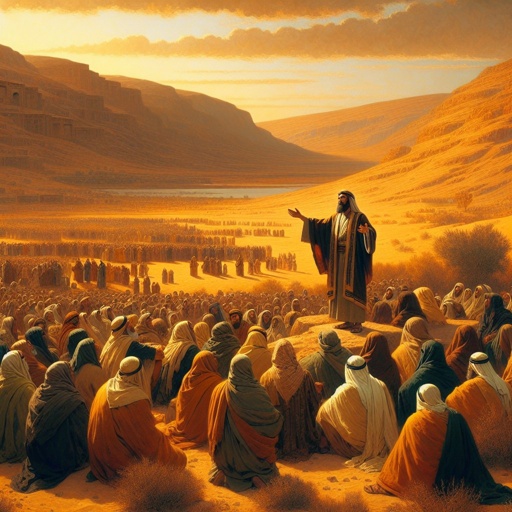
Exodus 14:13

Exodus 14:13

Exodus 14:13
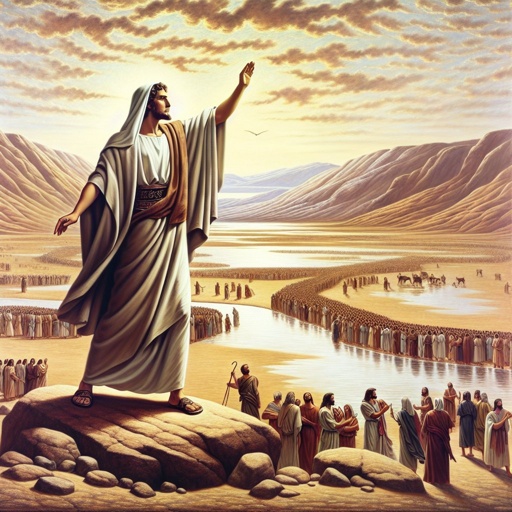
Exodus 14:13
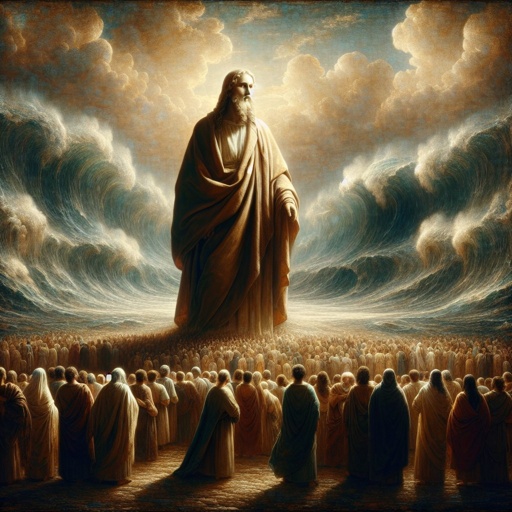
Exodus 14:13
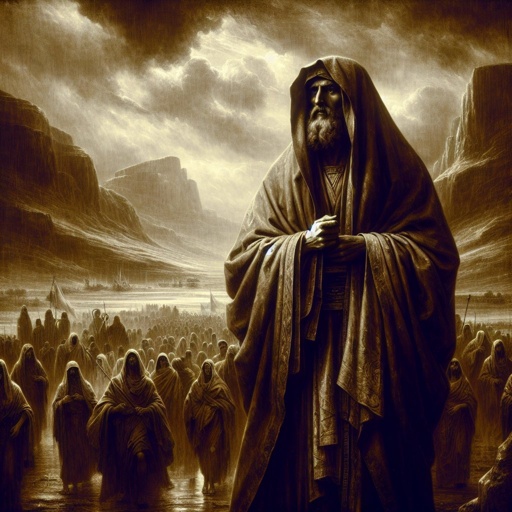
Exodus 14:13
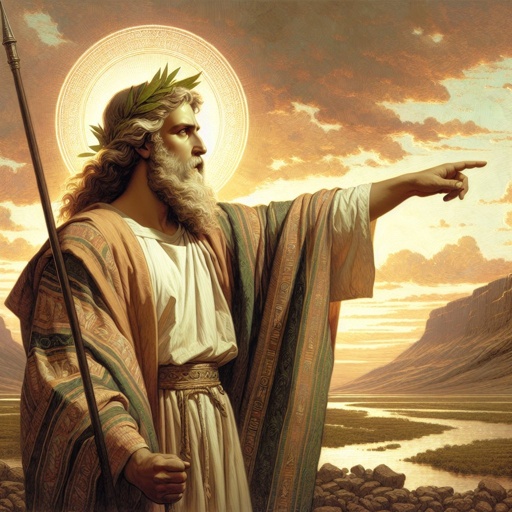
Exodus 14:13

Exodus 3:14

Exodus 3:14

Exodus 14:13

Exodus 14:13

Exodus 3:14

Exodus 14:13

exodus 3:14

Exodus 14:13

Exodus 14:13

Exodus 20:14

Exodus 14: 21

Exodus 3:14