What does Exodus 14:4 mean?
“And I will harden Pharaoh’s heart, that he shall follow after them; and I will be honoured upon Pharaoh, and upon all his host; that the Egyptians may know that I am the LORD. And they did so.” — Exodus 14:4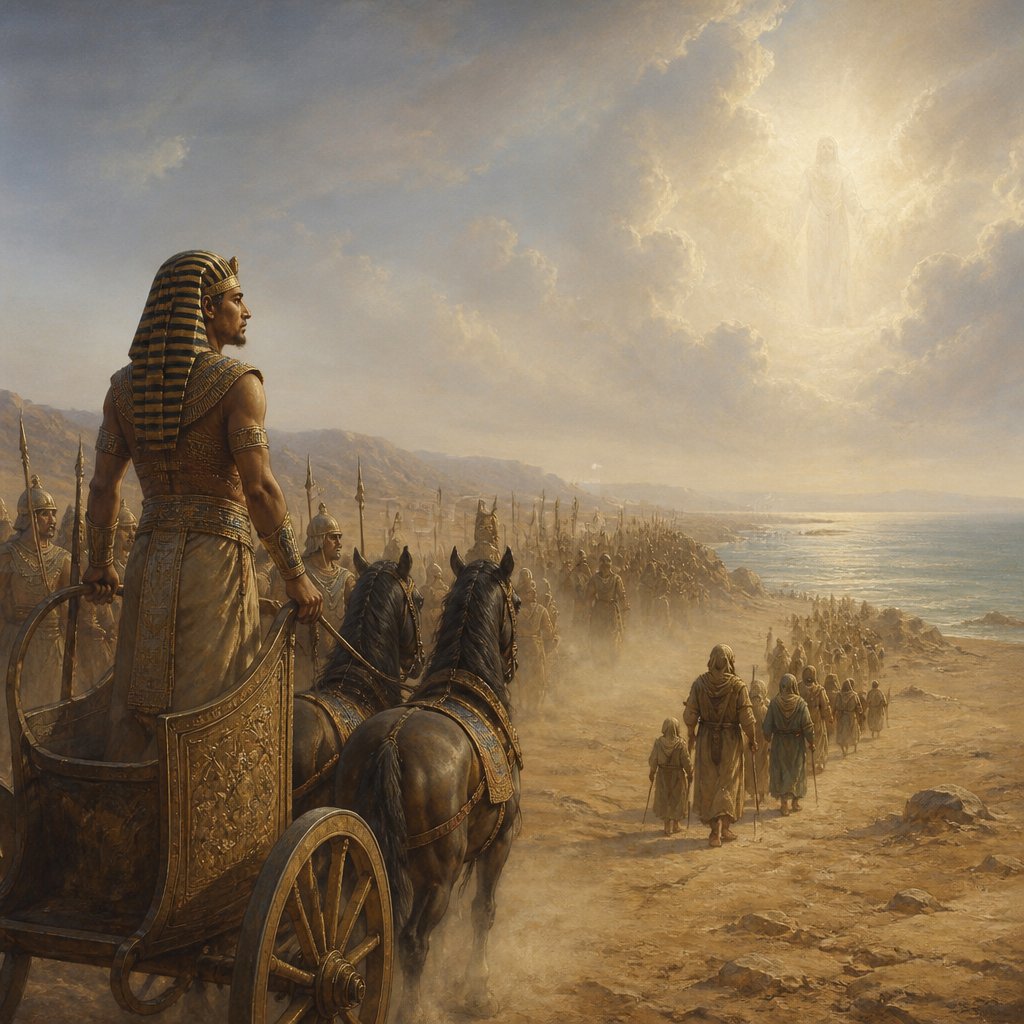
Exodus 14:4 (KJV) reads, "And I will harden Pharaoh's heart, that he shall follow after them; and I will be honoured upon Pharaoh, and upon all his host; that the Egyptians may know that I am the Lord. And they did so."
This verse comes from the book of Exodus in the Old Testament and is part of the story of the Israelites' deliverance from slavery in Egypt. The context of this verse is crucial to understanding its significance and impact. The Israelites had just been led out of Egypt by Moses, guided by God's hand through a series of miraculous events, including the ten plagues. However, as they approached the Red Sea, they found themselves trapped between the waters and the pursuing Egyptian army. In this verse, God is speaking to Moses, prophesying the hardening of Pharaoh's heart and the ultimate display of His power and glory.
The themes present in this verse revolve around the sovereignty of God, the hardness of the human heart, and the fulfillment of divine purpose. The hardening of Pharaoh's heart has been a subject of much debate and confusion, as it can be difficult to reconcile the concept of God actively hardening someone's heart with the idea of free will. However, in the greater context of the Exodus narrative, it becomes clear that this hardening is a result of Pharaoh's stubbornness and resistance to releasing the Israelites, rather than a unilateral action by God. Pharaoh's heart became increasingly hardened as he repeatedly refused to heed God's warnings and submit to His authority.
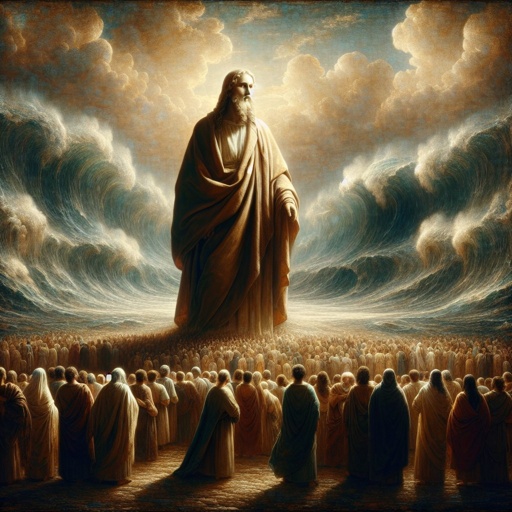
The verse also emphasizes the display of God's power and the fulfillment of His divine purpose. God states that He will be honored upon Pharaoh and his army, and that the Egyptians may know that He is the Lord. This highlights the overarching theme of God's glory and the revelation of His identity to both the Israelites and the Egyptians. Through the events that unfold in the following passages, God demonstrates His power by parting the Red Sea, allowing the Israelites to escape and then bringing the waters crashing down on the pursuing Egyptian army, thus decisively proving His supremacy and sovereignty.
Symbolism plays a significant role in this verse as well. The hardening of Pharaoh's heart symbolizes the resistance and obstinance of the human heart in the face of divine intervention and revelation. It serves as a cautionary tale about the dangers of pride and stubbornness, as well as the consequences of refusing to align with God's will. The Red Sea itself holds symbolic significance as a barrier and a boundary, representing the obstacles and challenges that the Israelites faced as they sought freedom and deliverance.
Additionally, the verse underscores the contrast between the Egyptians' knowledge of God and the Israelites' knowledge of God. While the Israelites had witnessed numerous displays of God's power and faithfulness throughout their journey, the Egyptians had yet to fully recognize the supremacy of the God of Israel. The events that transpire at the Red Sea serve as a pivotal moment in the narrative, as they ultimately lead to the acknowledgment of God's authority and the realization of His true identity by the Egyptians.
In conclusion, Exodus 14:4 (KJV) conveys a profound message about the sovereignty of God, the hardness of the human heart, and the fulfillment of divine purpose. It serves as a testament to God's power and glory, as well as a cautionary reminder about the consequences of resisting His will. The symbolism and themes present in this verse contribute to its rich and profound significance within the larger narrative of the Exodus, where God's ultimate deliverance of the Israelites from bondage in Egypt is a testament to His faithfulness and might.
Get our apps


Artwork for Exodus 14:4

Exodus 14:4 - "And I will harden Pharaoh's heart, that he shall follow after them; and I will be honoured upon Pharaoh, and upon all his host; that the Egyptians may know that I am the LORD. And they did so."
"And I will harden Pharaoh's heart, that he shall follow after them; and I will be honoured upon Pharaoh, and upon all his host; that the Egyptians may know that I am the LORD. And they did so." - Exodus 14:4

Exodus 14

Exodus 14:13

Exodus 14:13

Exodus 14: 21

Exodus 14:13

Exodus 14:13

Exodus 14:13

Exodus 14:13

Exodus 14:13
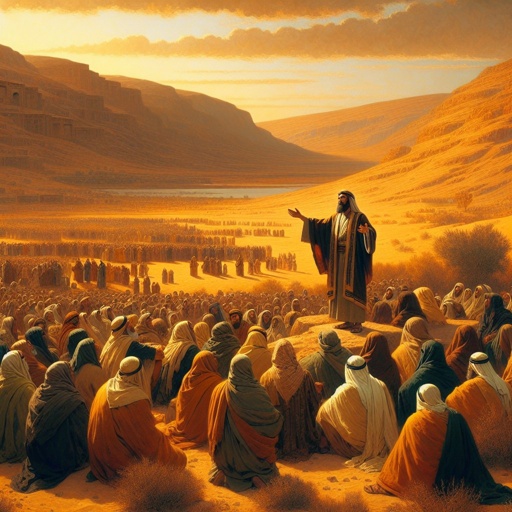
Exodus 14:13

Exodus 14:13

Exodus 14:13
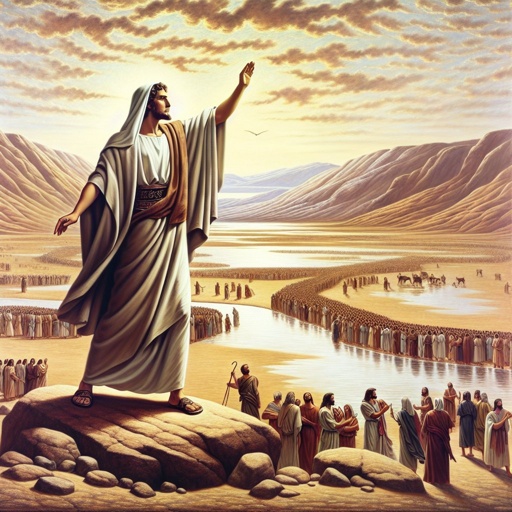
Exodus 14:13
Exodus 14:13
Exodus 14:13
Exodus 14:13

Exodus 3:14

Exodus 3:14

Exodus 14:13

Exodus 14:13

Exodus 3:14

Exodus 14:13

exodus 3:14

Exodus 14:13

Exodus 14:13

Exodus 20:14

Exodus 14: 21

Exodus 3:14