God’s Unyielding Pursuit: The Chariot of Pharaoh
“And he made ready his chariot, and took his people with him:” — Exodus 14:6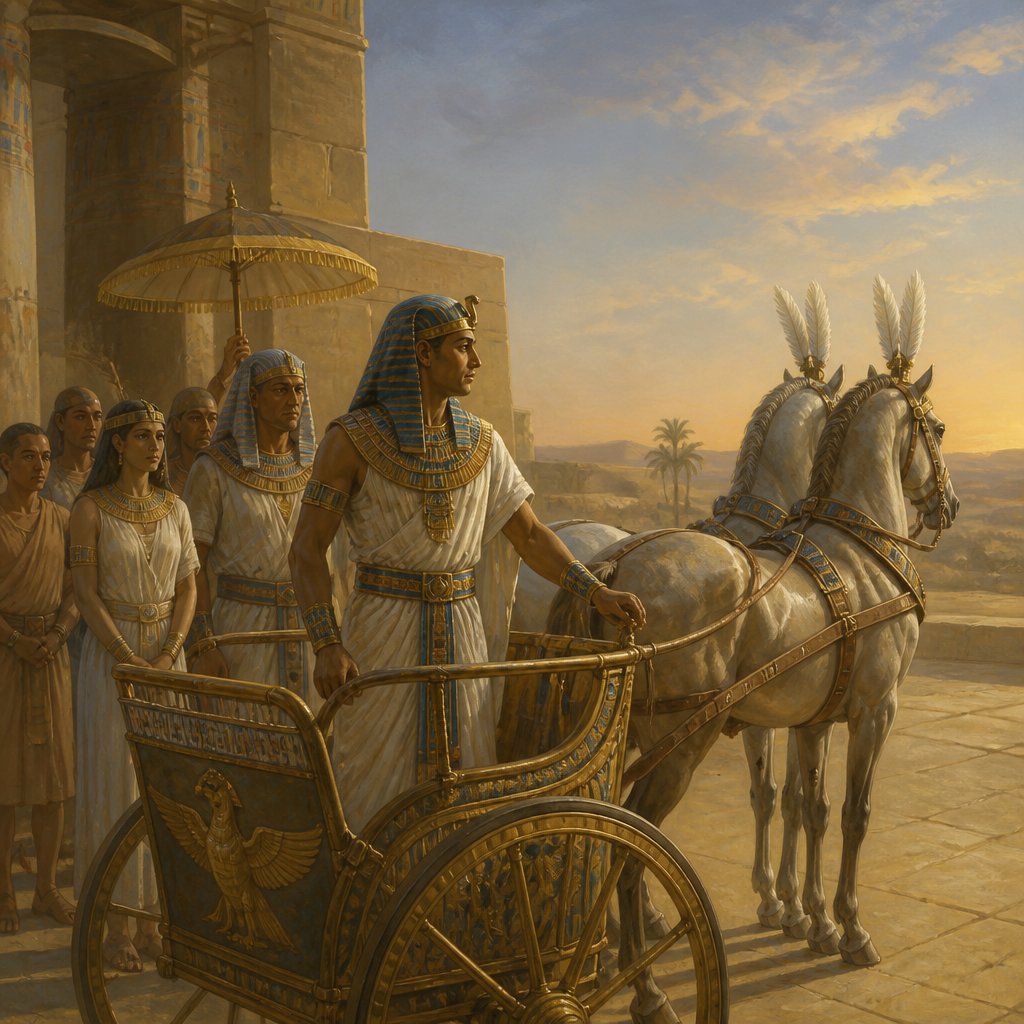
As we reflect on the profound moments recorded in Exodus 14:6, where we read, "And he made ready his chariot, and took his people with him," we are invited into a narrative drenched in tension, determination, and divine intervention. This verse is not just a historical account; it powerfully illustrates the heart of a man, Pharaoh, who underestimated the will of God and the journey of His people.
In the verses preceding this one, we witness the Israelites having been delivered from slavery in Egypt, now standing at the brink of freedom. Just as they revel in the joy of liberation, a fierce and oppressive force emerges—Pharaoh himself. Distraught and enraged by his loss of control over the slaves who had built his empire, he readies his chariot, symbolizing the wrath and stubbornness that would seek to reclaim what God had liberated.
Pharaoh’s choice to gather his people and pursue the Israelites was significant. It represents a defiance against God's will. He was determined to continue in his old ways, unwilling to acknowledge the power that had outmaneuvered him. Often in our lives, we, too, may find ourselves in a position where we cling to what is familiar, even when God is leading us toward liberation. We can easily identify with Pharaoh's desire to exert control over what God has already set free.
This verse serves as a stark reminder of the ongoing battle between the forces of good and evil, freedom and bondage. Pharaoh's chariot, a symbol of oppression and power, contrasts with God's divine leadership that the Israelites now experience. The pursuit of Pharaoh is not merely a military action but a spiritual manifestation—the struggle between a hardened heart and the grace of the Almighty. Pharaoh’s preparation may seem formidable, but it parallels the countless times we mistakenly view our problems as too big for God's intervention.
As we delve deeper into this passage, let us consider our own chariots. What do we pursue that keeps us from experiencing the fullness of God? What fears chase us? What past habits are we desperately trying to hold on to? Just as Pharaoh readied himself to reclaim his lost subjects, we often prepare to cling to our own chains rather than walk boldly into the promised freedom of Christ.
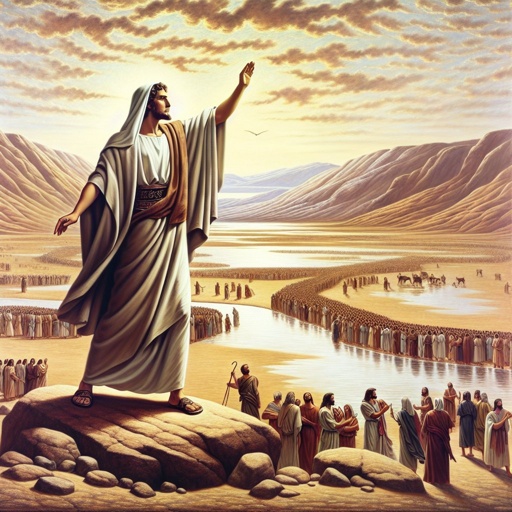
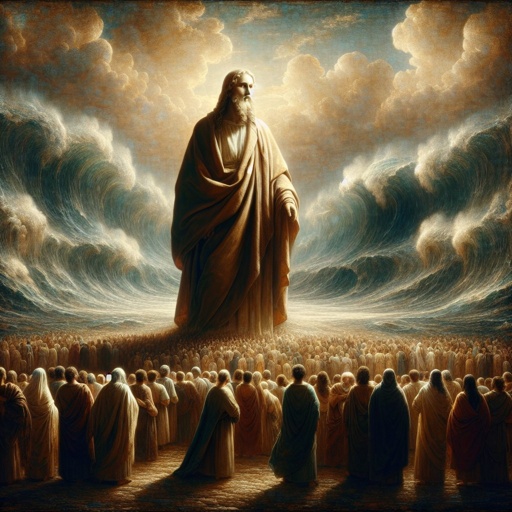
The Israelites, caught between the Red Sea and Pharaoh's chariots, teach us about faith amidst uncertainty. They faced what seemed to be the end—a certain death—but the very next moments would reveal the unfathomable deliverance of God. It was when all seemed lost that God commanded Moses to stretch out his hand over the sea. Miraculously, God parted the waters, providing a way out of what appeared to be an inescapable circumstance.
Pharaoh’s readiness met a divine response that day. Each step he took represented not a step closer to victory but a step towards his ultimate defeat. How often do the forces that pursue us seem to be gaining ground, only to discover they are unwittingly walking straight into God’s plan for our deliverance?
So, in our moments of despair when we hear the noises of impending doom or feel the weight of burdensome chariots chasing us, let us remember: God is more than able to part the seas in our lives. His hand is ready to intervene when we yield our fears and anxieties to Him. Pharaoh’s story reminds us that while evil may seem prepared, it can never compare to the God who fights our battles.
Today, let’s make a conscious choice to surrender our own chariots to God. Let us forsake old patterns, relinquish our fears, and trust in His deliverance. As we prepare to face the day ahead, may we remember that true freedom lies in God's unyielding love and grace—a love that remains steadfast in the face of any pursuing chariot.
Get our apps


Artwork for Exodus 14:6

Exodus 14:6 - "And he made ready his chariot, and took his people with him:"
"And he made ready his chariot, and took his people with him:" - Exodus 14:6

Exodus 6:14 - "¶ These be the heads of their fathers' houses: The sons of Reuben the firstborn of Israel; Hanoch, and Pallu, Hezron, and Carmi: these be the families of Reuben."

Exodus 14
"¶ These be the heads of their fathers' houses: The sons of Reuben the firstborn of Israel; Hanoch, and Pallu, Hezron, and Carmi: these be the families of Reuben." - Exodus 6:14

Exodus 14: 21

Exodus 14:13

Exodus 14:13

Exodus 14:13

Exodus 14:13

Exodus 14:13

Exodus 14:13

Exodus 14:13
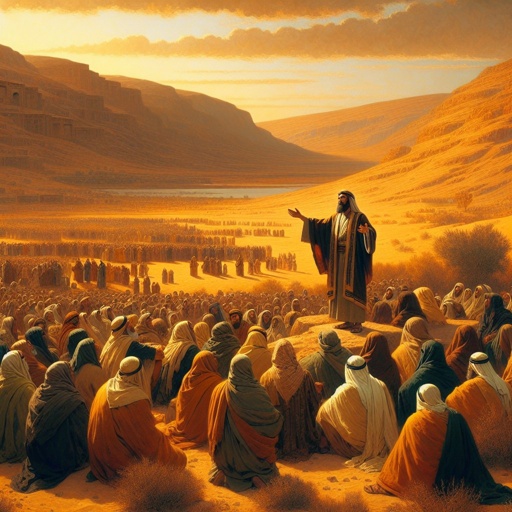
Exodus 14:13

Exodus 14:13
Exodus 14:13

Exodus 14:13
Exodus 14:13
Exodus 14:13
Exodus 14:13

Exodus 3:14

exodus 3:14

Exodus 3:14

Exodus 14:13

Exodus 14:13

Exodus 3:14

Exodus 14:13

Exodus 14:13

Exodus 14:13

Exodus 20:14