What does Exodus 14:6 mean?
“And he made ready his chariot, and took his people with him:” — Exodus 14:6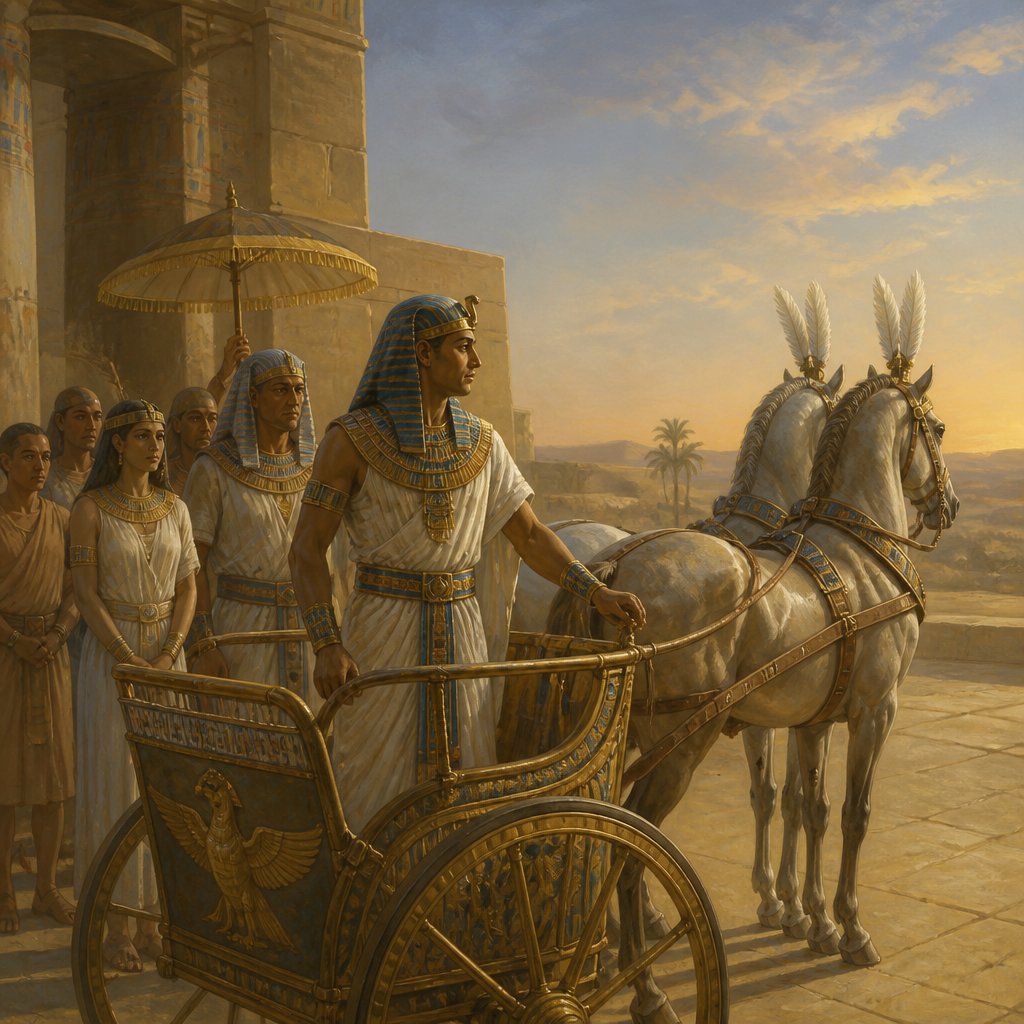
Exodus 14:6 in the King James Version of the Bible reads, "And he made ready his chariot, and took his people with him." This verse is part of the narrative of the Israelites' escape from Egypt, specifically the moment when Pharaoh, the ruler of Egypt, decides to pursue the fleeing Israelites with his army.
The book of Exodus is an account of the Israelites' deliverance from slavery in Egypt and their journey to the promised land of Canaan under the leadership of Moses. In Exodus 14, the Israelites find themselves trapped between the Red Sea and the pursuing Egyptian army. They are filled with fear and desperation as they face the impossible situation before them.
The verse serves as a pivotal moment in the story, as it marks Pharaoh's determination to recapture the Israelites and brings the tension to a climax. The phrase "And he made ready his chariot, and took his people with him" indicates Pharaoh's swift and forceful response to the news that the Israelites had fled. It highlights his pride, determination, and determination. The mention of the chariots emphasizes the military might of the Egyptian army and their ability to swiftly pursue and overtake the Israelites.
In a broader sense, this verse underscores the theme of opposition and conflict between the forces of oppression and the people seeking freedom. It symbolizes the struggle between good and evil, as well as the inevitability of facing obstacles and challenges on the path to liberation and salvation.
The context of this verse is essential for understanding its significance. The Israelites had just witnessed the miraculous ten plagues that God had brought upon Egypt, which ultimately compelled Pharaoh to release them from slavery. However, even after experiencing these supernatural demonstrations of God's power, Pharaoh's heart remained hardened, and he decided to go after the Israelites in an attempt to bring them back under his control.
This verse represents the epitome of Pharaoh's arrogance and pride, as he defies the will of God and pursues the Israelites with the intent of subjugating them once again. It sets the stage for the dramatic events that follow, including the parting of the Red Sea and the destruction of Pharaoh's army.
Symbolically, Pharaoh's chariot and his pursuit of the Israelites can be seen as a metaphor for the relentless forces of oppression and injustice that seek to stifle freedom and progress. The chariot, a symbol of military power and authority, represents the oppressive might of the Egyptian empire. Pharaoh's decision to take his people with him reflects his determination to maintain control over the Israelites and his refusal to accept their liberation.
In contrast, the Israelites' journey towards freedom and the promised land embodies the resilience, faith, and hope of the oppressed in the face of overwhelming odds. It underscores the belief in divine intervention and the triumph of righteousness over tyranny.
Exodus 14:6 serves as a reminder of the ongoing struggle between the forces of oppression and the pursuit of freedom, justice, and righteousness. It inspires believers to have faith in God's deliverance in the face of adversity and to resist the temptation to succumb to oppressive forces. It also symbolizes the concept of divine intervention and the ultimate triumph of good over evil.
In conclusion, Exodus 14:6 holds significant thematic, contextual, and symbolic value in the biblical narrative. It highlights the defiance and determination of Pharaoh in his pursuit of the Israelites, while also symbolizing the timeless struggle between oppression and liberation. It serves as a reminder of the faith and resilience of the oppressed and the belief in divine intervention. Ultimately, it carries a message of hope, faith, and the ultimate triumph of righteousness over tyranny.
Get our apps


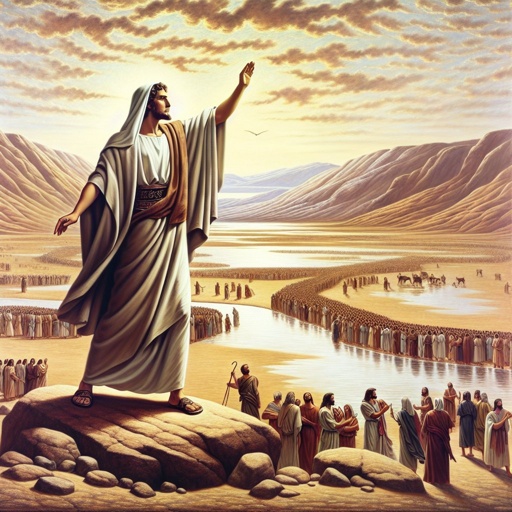
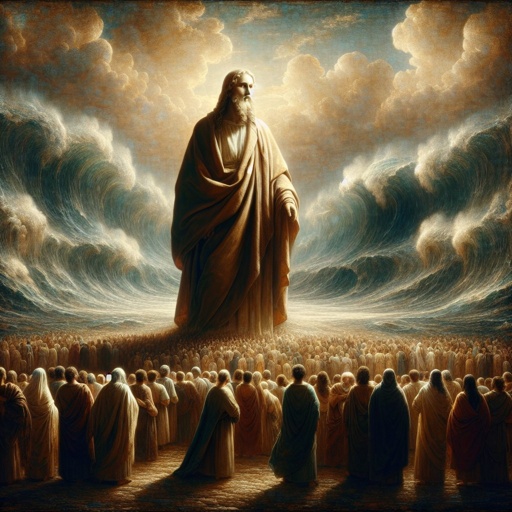
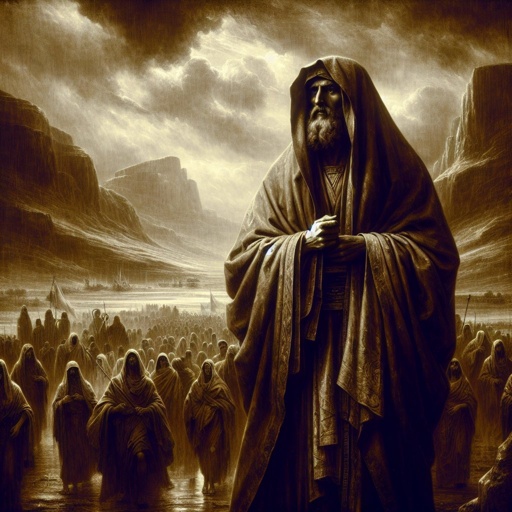
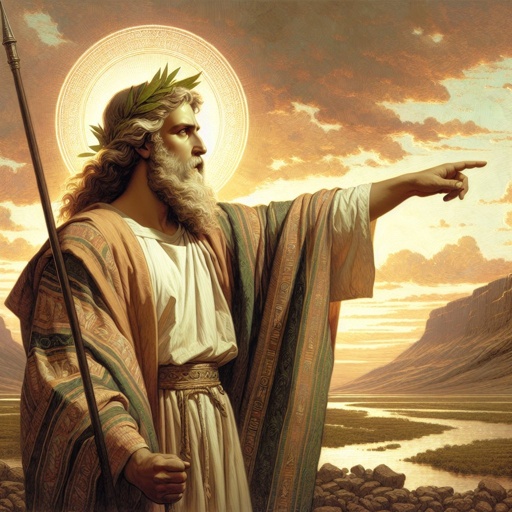
Artwork for Exodus 14:6

Exodus 14:6 - "And he made ready his chariot, and took his people with him:"
"And he made ready his chariot, and took his people with him:" - Exodus 14:6

Exodus 6:14 - "¶ These be the heads of their fathers' houses: The sons of Reuben the firstborn of Israel; Hanoch, and Pallu, Hezron, and Carmi: these be the families of Reuben."

Exodus 14
"¶ These be the heads of their fathers' houses: The sons of Reuben the firstborn of Israel; Hanoch, and Pallu, Hezron, and Carmi: these be the families of Reuben." - Exodus 6:14

Exodus 14: 21

Exodus 14:13

Exodus 14:13

Exodus 14:13

Exodus 14:13

Exodus 14:13

Exodus 14:13

Exodus 14:13
Exodus 14:13

Exodus 14:13
Exodus 14:13

Exodus 14:13
Exodus 14:13
Exodus 14:13
Exodus 14:13

Exodus 3:14

exodus 3:14

Exodus 3:14

Exodus 14:13

Exodus 14:13

Exodus 3:14

Exodus 14:13

Exodus 14:13

Exodus 14:13

Exodus 20:14