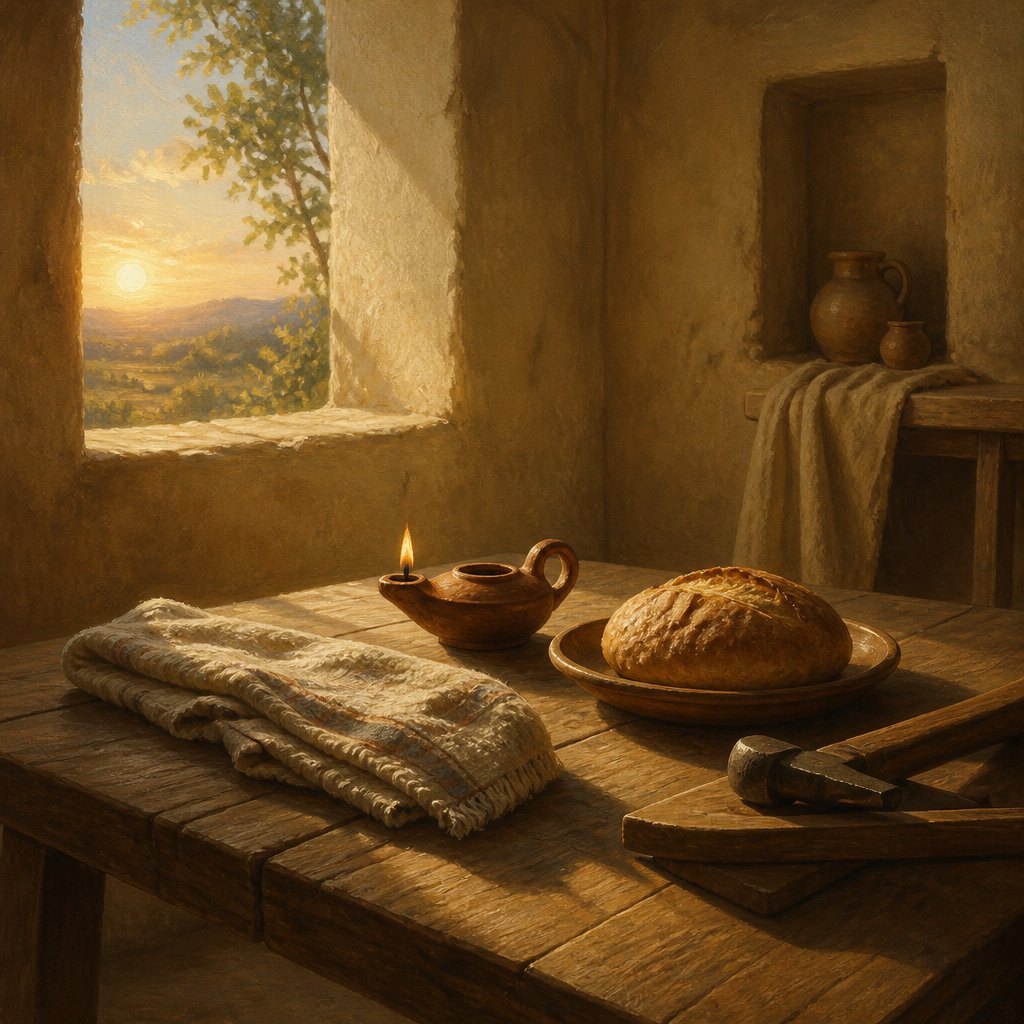
Exodus 20:8 (KJV) states, "Remember the sabbath day, to keep it holy." This commandment, nestled among injunctions about the worship of God and maintaining integrity in our societal interactions, holds significant and transformative power for our lives today. It invites us into a rhythm that is divinely orchestrated, one that calls us to remember, reflect, and rejuvenate our souls.
In a fast-paced world where work often overshadows worship, and productivity is lauded above prayer, the Sabbath command may sound archaic — an old relic of a bygone era. Yet, if we pause to reflect, we may discover that at its heart lies a modern relevance that speaks directly to the core of our humanity. The Sabbath was instituted not merely as a command but as a gracious gift from God, providing us with a moment in time to disconnect from our labors and reconnect with our Creator.
To remember the Sabbath is to acknowledge our limits. We live in a society that celebrates busyness, as if our worth is quantified by our work output. God, however, created the universe in six days, and on the seventh, He rested (Genesis 2:2-3). This divine appointment sets a precedent for our lives — a pause to reflect on our labor, to acknowledge that we are not mere machines designed for relentless output, but rather creations of God endowed with souls that cry out for weightier matters than efficiency.
The emphasis on keeping the Sabbath day holy is crucial. The word ‘holy’ means to be set apart, dedicated, and consecrated. The Sabbath is not just another day marked on the calendar; it is a sanctified time to engage with what is truly holy — our relationship with God and the cultivation of communal bonds within our families, worship bodies, and broader communities. The holiness of the Sabbath calls us to create space for spiritual renewal and physical rest. It invites us into activities that uplift our spirit rather than drain it — prayer, worship, contemplation, and loving fellowship with others.
Moreover, the call to keep the Sabbath resonated throughout the Old Testament, ingraining the significance of rest into the culture of the Israelites. It was a reminder of their identity as a people chosen and liberated by God from the bondage of Egypt. As they exited slavery, they were to practice a rhythm of work and rest, which served as a stark contrast to the tyranny of brick-making without respite. In honoring the Sabbath, the Israelites visually and spiritually delineated themselves from oppression, declaring their trust in God’s provision. Similarly, we too are called to trust God when we decide to cease from our labors.
Practicing Sabbath rest beckons us into a place of trust. It is an act of faith to put down our phones, our work, our mental lists of tasks, and just immerse ourselves in God’s presence. It’s a conscious decision to affirm that our worth is not measured by our productivity but by our being, loved and cherished by our Creator.
The Sabbath also serves as a prophetic declaration to the world around us. When we choose to rest, we defy the cultural narrative that productivity and busyness equal worth. In this act, we shine as lights in a darkened world, offering a counter-narrative of hope, rest, and rejuvenation.
As we approach the Sabbath, let us hold it with reverence and intentionality, rooting ourselves in God’s desire for us to experience wholeness. Incorporate practices that nourish your spirit — perhaps spending time in nature, meditating on scripture, or simply enjoying meals with loved ones devoid of distraction. Let us come together on this day, not out of mere obligation but as an act of worship — celebrating the God who delights in our rest.
In this sacred space, may we find peace, be replenished, and, ultimately, remember why we are created — to dwell in presence, and to cherish His ways.
Get our apps


Artwork for Exodus 20:8

Exodus 20:8 - "Remember the sabbath day, to keep it holy."
"Remember the sabbath day, to keep it holy." - Exodus 20:8

Exodus 20:8-10 - "Remember the Sabbath day, to keep it holy. Six days you shall labor and do all your work, but the seventh day is a sabbath to the Lord your God; on it you shall not do any work, you, or your son, or your daughter, your male servant, or your female servant, your livestock, or the alien resident in your towns."
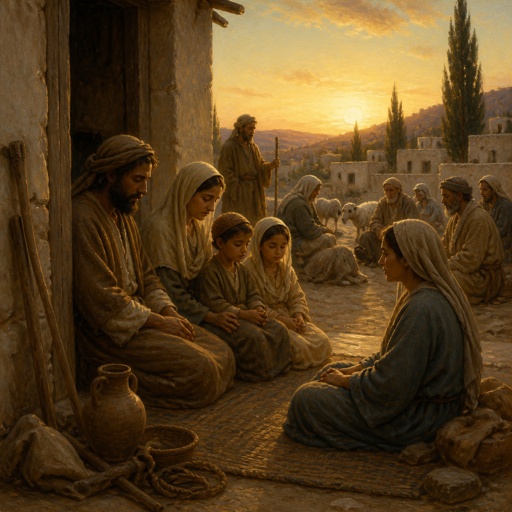
"Remember the Sabbath day, to keep it holy. Six days you shall labor and do all your work, but the seventh day is a sabbath to the Lord your God; on it you shall not do any work, you, or your son, or your daughter, your male servant, or your female servant, your livestock, or the alien resident in your towns." - Exodus 20:8-10

The Plague of Flies - Exodus 8:20-32.

The Plague of Flies - Exodus 8:20-32

The Plague of Flies - Exodus 8:20-32

Exodus 8:20 - "¶ And the LORD said unto Moses, Rise up early in the morning, and stand before Pharaoh; lo, he cometh forth to the water; and say unto him, Thus saith the LORD, Let my people go, that they may serve me."

Exodus 23:20

Exodus 20:2

Exodus 27:20

Exodus 27:20

Exodus 27:20

Exodus 20:14

Exodus 20:15 - "Thou shalt not steal."

Exodus 20:13 - "Thou shalt not kill."

Exodus 27:19-20

Exodus 19:16-20

Exodus 20:14 - "Thou shalt not commit adultery."

Exodus 20:1 - "And God spake all these words, saying,"

Exodus 25:8

Exodus 20:20 - "And Moses said unto the people, Fear not: for God is come to prove you, and that his fear may be before your faces, that ye sin not."

Exodus 20:3 - "Thou shalt have no other gods before me."

The Plague of Locusts - Exodus 10:1-20

The Plague of Locusts - Exodus 10:1-20

The Plague of Locusts - Exodus 10:1-20

The Plague of Locusts - Exodus 10:1-20

The Plague of Locusts - Exodus 10:1-20

The Plague of Locusts - Exodus 10:1-20

The Plague of Locusts - Exodus 10:1-20