The Weight of Responsibility: Understanding Exodus 21:23
“And if any mischief follow, then thou shalt give life for life,” — Exodus 21:23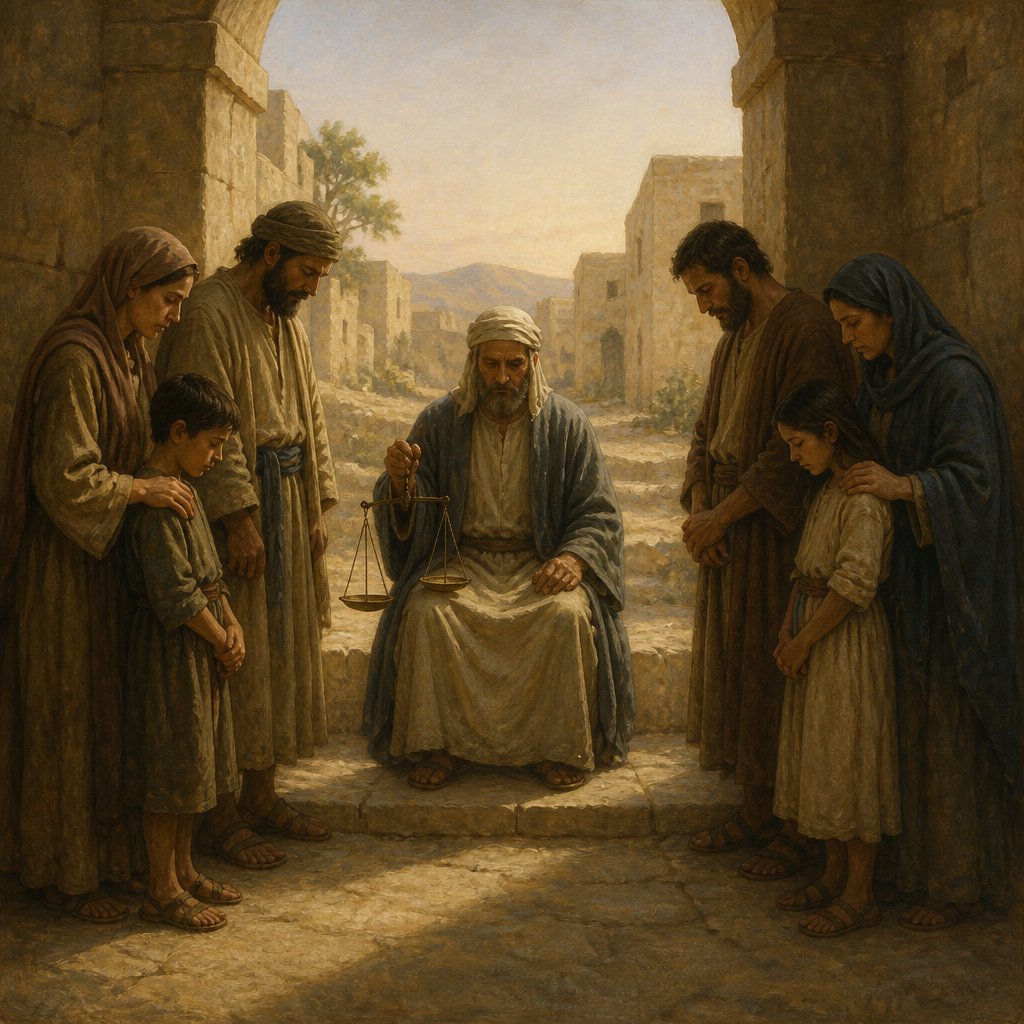
The verse Exodus 21:23 from the King James Version (KJV) states, "And if any mischief follow, then thou shalt give life for life." This verse is nestled within the laws that were established for the Israelites and serves as a critical reminder of the sanctity of life and the weight of human responsibility.
In the context of the ancient Near Eastern culture, life was understood to be inextricably linked with divine order, and the consequences of one’s actions bore significant importance. The principle of "life for life" expresses not just retribution but the underlying truth that every action, especially those affecting human life, carries eternal ramifications. As we delve into this verse, we can extract profound lessons that resonate even in today’s world, urging us to consider our actions carefully and acknowledge the moral weight they bear.
The phrase "mischief follow" initiates an understanding that consequences arise from our actions. Mischief, in this biblical context, refers to wrongful or malicious behavior which leads to harm—be it physical, emotional, or spiritual. As individuals navigating through life, we must ask ourselves how often our words and actions can yield unintended consequences. Injustice, anger, and hate can lead to a cascade of mischief that emerges in our relationships, communities, and global interactions. Thus, we are brought face-to-face with a profound truth: our choices shape the lives of others.
Moreover, the principle of "life for life" points towards the intrinsic value assigned to each human life. It reinforces the idea that every life is precious in the eyes of God. In a culture that sometimes seems to devalue life, it is essential for us to grasp the weight of this verse. The moral calculations given in Exodus are not just about justice in a legal sense, but they challenge us to view each human life through the lens of eternal significance. In a world filled with ethical dilemmas, our approach to life and the lives of others must be grounded in respect and reverence.
In addition to understanding justice, this verse speaks to the resolution of conflict. As we consider the actions that lead to the unfortunate follow-up of "mischief," we must recognize God's call for reconciliation. Jesus, throughout the New Testament, embodied the principles portrayed in these early laws. He emphasized mercy, grace, and forgiveness—elements that cause restorative actions rather than punitive responses. A life dedicated to emulating Christ includes recognizing our roles as peacemakers in times of strife.
Taking Exodus 21:23 into our everyday lives calls us to intentionality. It prompts us to act wisely, ensuring that our decisions—or mischief, as the verse indicates—do not harm another. It encourages us to engage in behaviors that cultivate peace and foster unity. As believers, we are charged with the responsibility to love our neighbors actively and counteract injustice at every turn. Those who claim to follow Christ uphold the worth of life by advocating for the dignity of all, recognizing that our choices carry the potential for either blessing or harm.
Reflecting on this verse encourages a life of accountability. When wrongdoing occurs, how often do we examine whether our actions contributed to the pain inflicted upon others? In learning from Exodus 21:23, we glean wisdom regarding the necessity of making reparative gestures when we have caused harm. God invites us into an ongoing cycle of confession and reconciliation, urging us to restore relationships rather than merely seeking justice’s vengeance.
In summary, Exodus 21:23 provides a multi-faceted view on the weight of our choices, the value of human life, and the call for responsibility in our relationships with others. As we navigate our stories, let us remember that we are agents of peace, tasked with reflecting the character of God through our actions. May we honor the life of every individual we encounter and seek to embody the love, grace, and mercy extended to us by our Creator. Through this understanding, we not only fulfill the law but, in doing so, reflect the heart of God to the world.
Get our apps


Artwork for Exodus 21:23

Exodus 21:23 - "And if any mischief follow, then thou shalt give life for life,"
"And if any mischief follow, then thou shalt give life for life," - Exodus 21:23

Exodus 23:21 - "Beware of him, and obey his voice, provoke him not; for he will not pardon your transgressions: for my name is in him."
"Beware of him, and obey his voice, provoke him not; for he will not pardon your transgressions: for my name is in him." - Exodus 23:21

Exodus 23:20

Exodus 23:4

Exodus 23:28

Exodus 15:23

Exodus 23:4
Exodus 15:23

Exodus 23:28

Exodus 14: 21

Exodus 14: 21

Exodus 15:21

Leviticus 23:21

Leviticus 23:21

Exodus 23:27-28

Exodus 21:21 - "Notwithstanding, if he continue a day or two, he shall not be punished: for he is his money."

Exodus 23:28-29

Leviticus 23:21

Leviticus 23:21

Genesis 21-23

Leviticus 23:21

Leviticus 23:21

Exodus 27:19-21
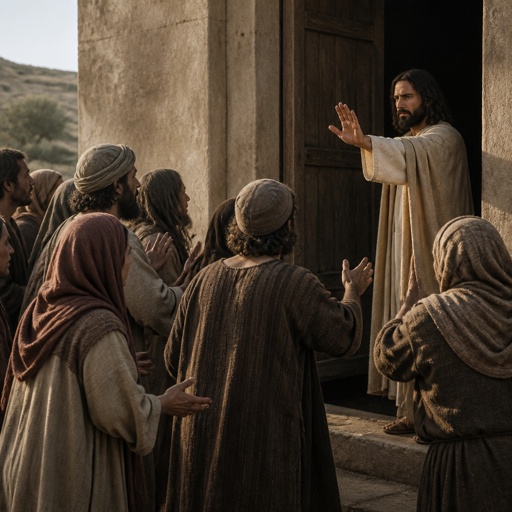
Matthew 7:21-23

Acts 1:21-23

Exodus 6:21 - "¶ And the sons of Izhar; Korah, and Nepheg, and Zichri."

Exodus 23:32 - "Thou shalt make no covenant with them, nor with their gods."

Exodus 21:25 - "Burning for burning, wound for wound, stripe for stripe."