What does Exodus 21:23 mean?
“And if any mischief follow, then thou shalt give life for life,” — Exodus 21:23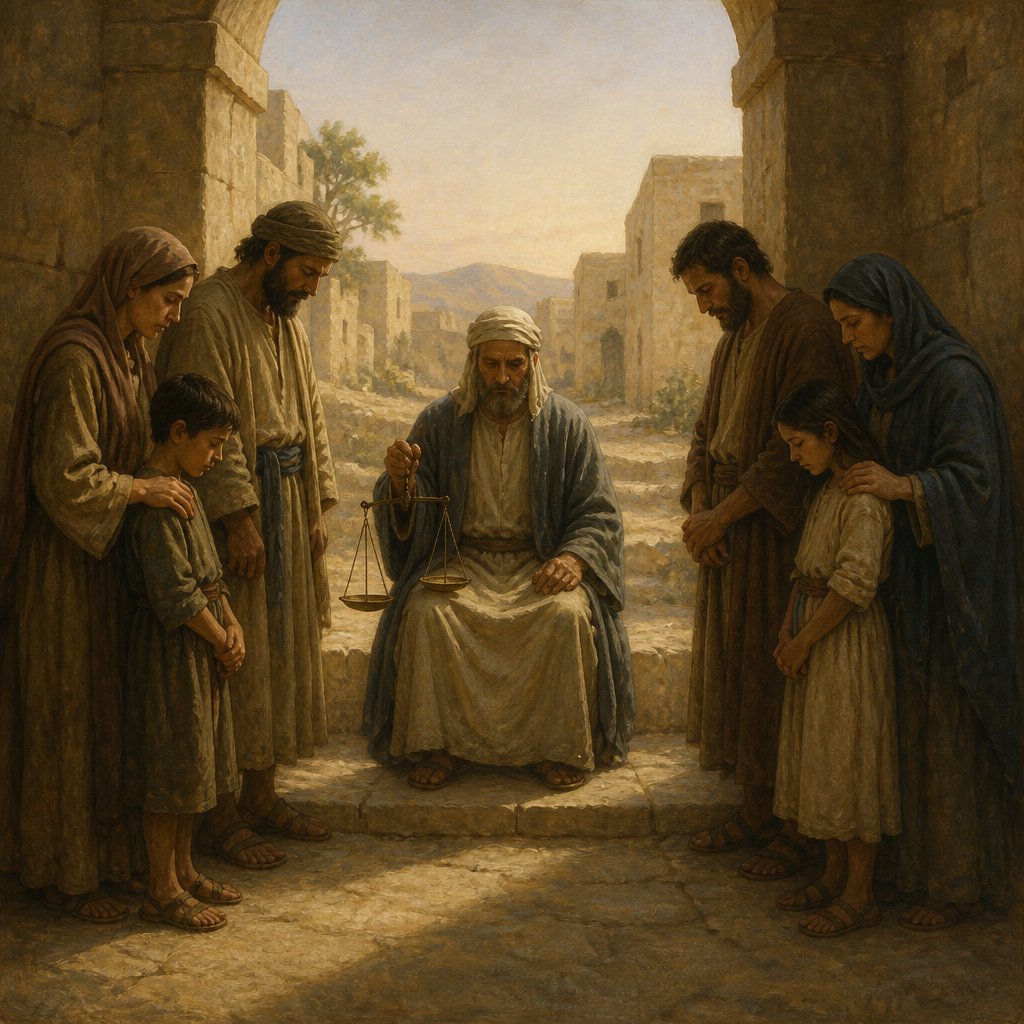
Exodus 21:23 in the King James Version of the Bible reads, "And if any mischief follow, then thou shalt give life for life." This verse is found in the Book of Exodus, which is the second book of the Bible. It is part of the legal code given by God to the Israelites after their escape from Egypt and their journey to Mount Sinai. These laws, known as the Mosaic Law, were given to the people of Israel as a guide for living their lives in obedience to God.
The specific verse, Exodus 21:23, is part of a larger section of laws and regulations that deal with issues of justice and the treatment of others. This verse falls within the context of a passage that outlines the principle of "an eye for an eye, a tooth for a tooth." This principle is often misunderstood as advocating for strict retribution, but in reality, it was intended to limit the extent of punishment and prevent excessive vengeance. In the case of Exodus 21:23, it is emphasizing the principle of proportional justice, stating that if harm is caused as a result of a specific action, the punishment should be equivalent to the harm caused.
The overarching theme of Exodus 21:23 is the value of human life and the concept of justice. It speaks to the idea that the punishment should fit the crime and that there should be consequences for those who cause harm to others. This principle of reciprocal justice is intended to maintain order and prevent a cycle of escalating retaliation. It also underscores the importance of valuing and protecting human life, as evidenced by the requirement for a life to be given in exchange for a life.
From a broader theological perspective, Exodus 21:23 reflects the Old Testament concept of retributive justice, where the punishment for a wrongdoing is directly related to the offense committed. This principle of justice is echoed throughout the Old Testament, emphasizing the importance of fairness, righteousness, and accountability. The Mosaic Law served as a moral and legal framework for the Israelites, and it established the standard for their conduct and interactions with one another.
In terms of its symbolism, Exodus 21:23 serves as a reminder of the sacredness of human life and the responsibility to seek justice for those who have been wronged. It also serves as a safeguard against the temptation to seek excessive vengeance or retribution, instead advocating for a measured and proportional response.
Approaching this verse in a modern context, we can see its enduring relevance in discussions of criminal justice, ethics, and the protection of human rights. It speaks to the importance of upholding the value of human life and ensuring that those who cause harm are held accountable for their actions. It also prompts us to reflect on how we as individuals and as a society can work towards a more just and equitable world.
In conclusion, Exodus 21:23 is a verse that carries timeless significance and depth. It offers insights into the principles of justice and the value of human life, drawing attention to the importance of fairness and accountability. Its message resonates with readers across time and provides a foundation for understanding the biblical perspective on justice and ethics.
Get our apps


Artwork for Exodus 21:23

Exodus 21:23 - "And if any mischief follow, then thou shalt give life for life,"
"And if any mischief follow, then thou shalt give life for life," - Exodus 21:23

Exodus 23:21 - "Beware of him, and obey his voice, provoke him not; for he will not pardon your transgressions: for my name is in him."
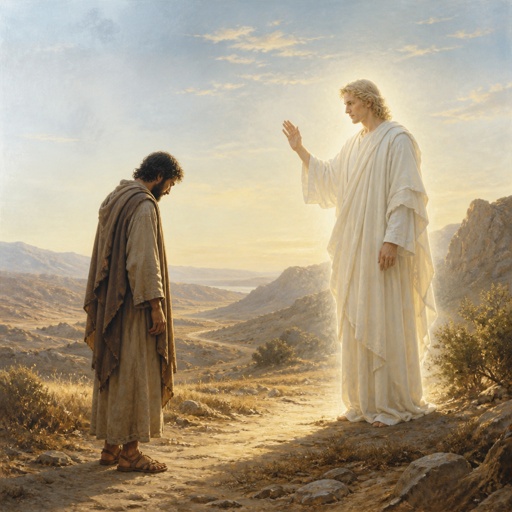
"Beware of him, and obey his voice, provoke him not; for he will not pardon your transgressions: for my name is in him." - Exodus 23:21

Exodus 23:20

Exodus 23:4

Exodus 23:28

Exodus 15:23

Exodus 23:4
Exodus 15:23

Exodus 23:28

Exodus 14: 21

Exodus 14: 21

Exodus 15:21

Leviticus 23:21

Leviticus 23:21

Exodus 23:27-28

Exodus 21:21 - "Notwithstanding, if he continue a day or two, he shall not be punished: for he is his money."

Exodus 23:28-29

Leviticus 23:21

Leviticus 23:21
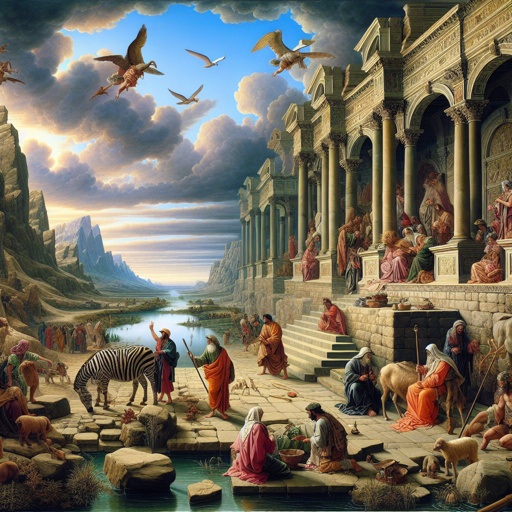
Genesis 21-23

Leviticus 23:21

Leviticus 23:21

Exodus 27:19-21
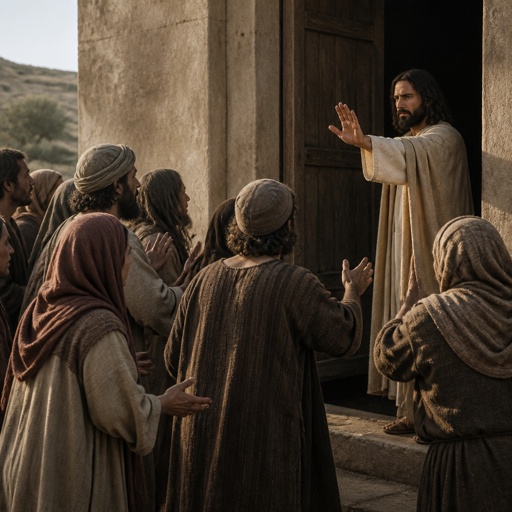
Matthew 7:21-23

Acts 1:21-23

Exodus 6:21 - "¶ And the sons of Izhar; Korah, and Nepheg, and Zichri."

Exodus 23:32 - "Thou shalt make no covenant with them, nor with their gods."

Exodus 21:25 - "Burning for burning, wound for wound, stripe for stripe."