The Feast of Unleavened Bread: A Call to Remember and Prepare
“Thou shalt keep the feast of unleavened bread: ( thou shalt eat unleavened bread seven days, as I commanded thee, in the time appointed of the month Abib; for in it thou camest out from Egypt: and none shall appear before me empty:)” — Exodus 23:15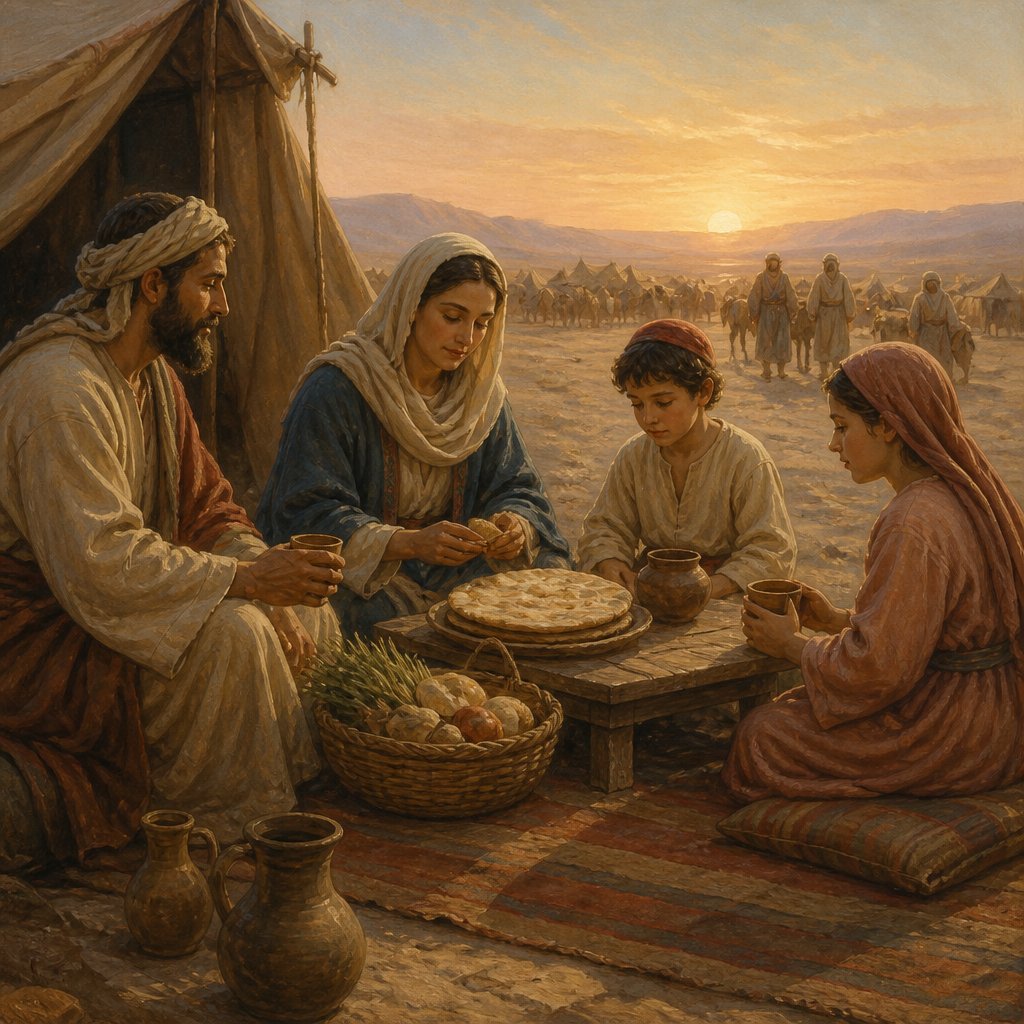
In Exodus 23:15, we read the command, "Thou shalt keep the feast of unleavened bread: (thou shalt eat unleavened bread seven days, as I commanded thee, in the time appointed of the month Abib; for in it thou camest out from Egypt: and none shall appear before me empty:)." This passage serves not only as a reminder of God’s redemptive power but also reflects His desire for His people to engage deeply in the act of remembrance and celebration through specific rituals.
The Feast of Unleavened Bread, celebrated in the spring, is intrinsically linked to the Passover, where the Israelites were liberated from slavery in Egypt. The unleavened bread symbolizes purity and the haste with which the Israelites had to leave. Leaven, often a metaphor for sin and corruption in scripture, serves as a reminder during this feast of our need to forsake our sinful ways and choose a path devoted to God.
As we reflect on this scripture, we must first understand the significance of what it meant for the Israelites to come out of Egypt. For generations, they endured oppression, hard labor, and a life devoid of freedom. God’s deliverance was not merely a physical release from bondage but a spiritual emancipation that invited them into a covenant relationship with Him. Each year, as they celebrated the Feast of Unleavened Bread, they were not only remembering their exodus but were also renewing their commitment to God and acknowledging His faithfulness to His promises.
In our own lives, we must ask ourselves what bondage we are in today. Are we held captive by sin, fear, anxiety, or worldly distractions? The call to remember the exodus signifies the opportunity for us to surrender any weight that ensnares us, allowing God to lead us out of our self-imposed Egypts. Just as the Israelites were commanded to eat unleavened bread for seven days, we are reminded to conduct our lives without the leaven of sin that can creep into our hearts. This can include not only our actions but also our thoughts and attitudes.
Another profound aspect of this verse is the instruction that none shall appear before God empty. This directive is twofold. Firstly, it emphasizes the importance of bringing an offering before the Lord. In ancient Israel, this meant bringing the first fruits or the best offerings to acknowledge God’s goodness and generosity. For us today, this can be seen as bringing our gratitude, our praises, and our worship before the Lord. When we come before Him, we should do so ready to honor Him with our hearts, filled with love and thankfulness, recognizing the countless blessings bestowed upon us.
Moreover, coming before God ''not empty'' challenges us to engage actively in our relationship with Him. It calls us to come prepared, with a heart of repentance and a willingness to change. This is not about a mere physical act but reflects an attitude of the heart. Are we approaching God with a slate wiped clean? Have we let go of past grievances and offered our hearts fully in worship?
The Feast of Unleavened Bread is not only a historical commemoration but also a present-day invitation to align our lives with God’s purposes. It’s a call to reflect on what it means to be delivered, what it means to live a life set apart, and how to come before our Creator with a heart full of offerings rather than emptiness. Editor-in-chief are we ready to shed the leaven of sin, bitterness, and indifference?
In carrying on this legacy of faith, we should periodically reflect on the truth behind our rituals and the love that God has extended toward us. As we celebrate the remembrances that shape our faith, let us do so with a profound understanding of God’s mighty acts in our lives, and let us come before Him not empty, but filled with gratitude, ready to honor His command to keep the feast of unleavened bread.
Get our apps


Artwork for Exodus 23:15

Exodus 23:15 - "Thou shalt keep the feast of unleavened bread: (thou shalt eat unleavened bread seven days, as I commanded thee, in the time appointed of the month Abib; for in it thou camest out from Egypt: and none shall appear before me empty:)"
"Thou shalt keep the feast of unleavened bread: (thou shalt eat unleavened bread seven days, as I commanded thee, in the time appointed of the month Abib; for in it thou camest out from Egypt: and none shall appear before me empty:)" - Exodus 23:15

Exodus 15:23
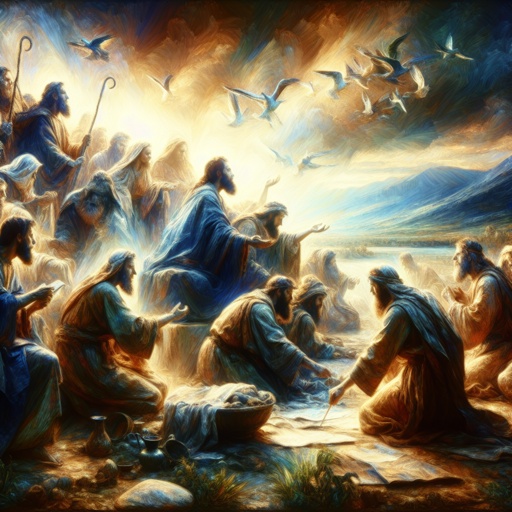
Exodus 15:23

Exodus 15:23 - "¶ And when they came to Marah, they could not drink of the waters of Marah, for they were bitter: therefore the name of it was called Marah."

"¶ And when they came to Marah, they could not drink of the waters of Marah, for they were bitter: therefore the name of it was called Marah." - Exodus 15:23

Exodus 23:20

Exodus 23:4

Exodus 23:28

Exodus 23:4

Exodus 23:28

exodus 15

Exodus 23:27-28

Exodus 23:28-29

Exodus 15:22

Exodus 15:5

Exodus 15:21

Matthew 15:23

Matthew 15:23

Genesis 23-15
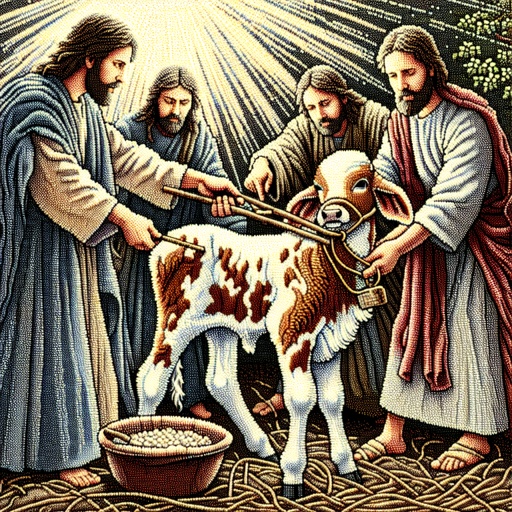
Luke 15:23

Exodus 20:15 - "Thou shalt not steal."

Exodus 23:32 - "Thou shalt make no covenant with them, nor with their gods."

Exodus 28:15-30

Exodus 8:1-15

Exodus 23:6 - "Thou shalt not wrest the judgment of thy poor in his cause."

Exodus 23:23 - "For mine Angel shall go before thee, and bring thee in unto the Amorites, and the Hittites, and the Perizzites, and the Canaanites, the Hivites, and the Jebusites: and I will cut them off."

Joshua 15:23 - "And Kedesh, and Hazor, and Ithnan,"

Leviticus 23:15-22

Exodus 21:23 - "And if any mischief follow, then thou shalt give life for life,"