What does Exodus 23:15 mean?
“Thou shalt keep the feast of unleavened bread: ( thou shalt eat unleavened bread seven days, as I commanded thee, in the time appointed of the month Abib; for in it thou camest out from Egypt: and none shall appear before me empty:)” — Exodus 23:15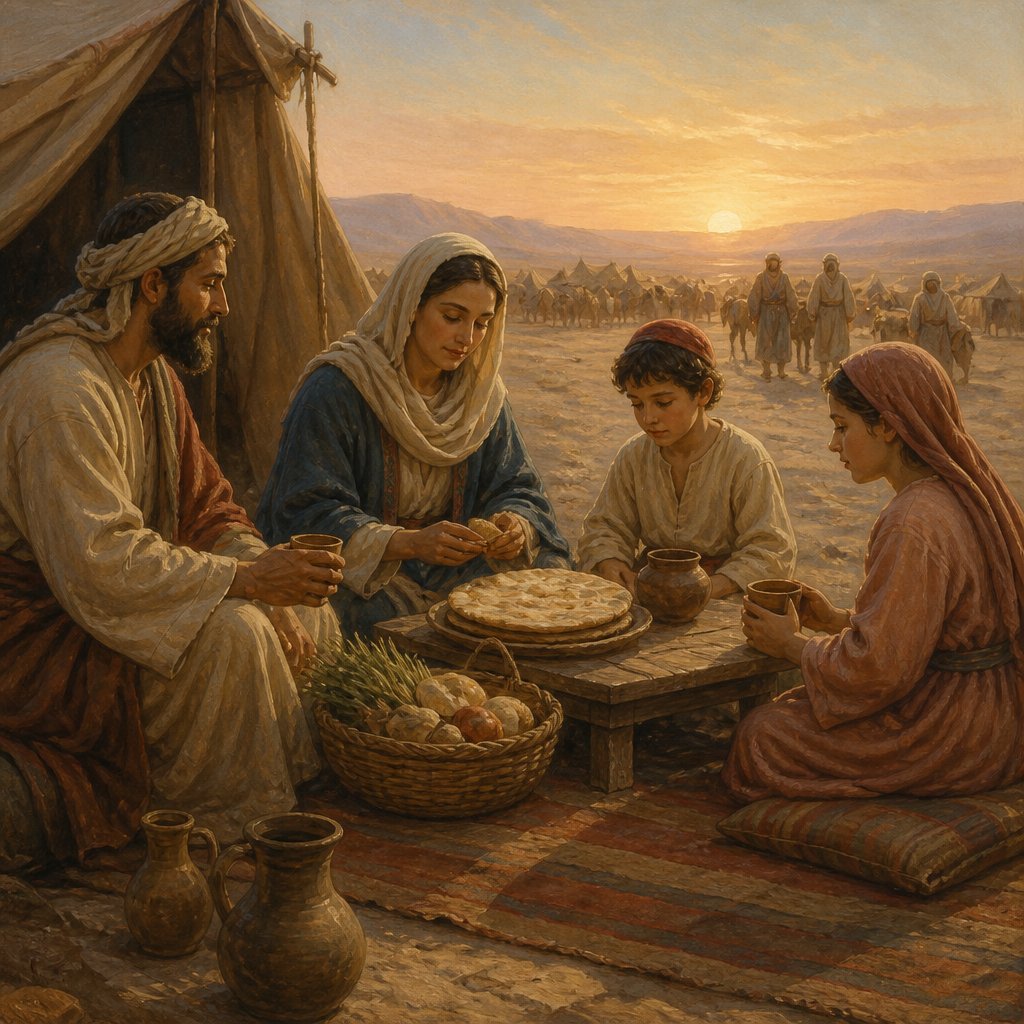
Exodus 23:15 in the King James Version (KJV) of the Bible reads, "Thou shalt keep the feast of unleavened bread: (thou shalt eat unleavened bread seven days, as I commanded thee, in the time appointed of the month Abib; for in it thou camest out from Egypt: and none shall appear before me empty)."
This verse is part of a larger passage in the book of Exodus, which recounts the laws and regulations that God gave to the Israelites after their liberation from slavery in Egypt. The Feast of Unleavened Bread was one of the three major annual feasts that the Israelites were to observe, along with the Feast of Passover and the Feast of Weeks (also known as Pentecost). The Feast of Unleavened Bread took place in the first month of the religious calendar, called Abib (later known as Nisan), and it commemorated the Israelites' escape from Egypt. The significance of unleavened bread in this feast is rooted in the hasty departure of the Israelites from Egypt - they did not have time to let their bread rise, so they ate unleavened bread during their exodus.
From a historical and contextual perspective, this verse serves as a direct instruction from God to the Israelites regarding the observance of the Feast of Unleavened Bread. The mention of the month Abib and the specific duration of the feast (seven days) indicates the importance of adhering to these religious practices in order to honor and remember the miraculous deliverance of the Israelites from bondage in Egypt. The emphasis on not appearing before God empty-handed also underscores the idea of giving thanks and offering sacrifices as an expression of gratitude for God's deliverance.
On a deeper level, this verse conveys several important themes and symbolic meanings. Firstly, the Feast of Unleavened Bread symbolizes the Israelites' physical and spiritual liberation from slavery. It serves as a reminder of God's faithfulness and His ability to deliver His people from oppression and bondage. In a broader sense, it also points to the concept of redemption and the symbolism of freedom from sin and spiritual bondage through the sacrifice and atonement provided by God.
Furthermore, the emphasis on eating unleavened bread for seven days underscores the importance of obedience and adherence to God's commandments. The act of consuming unleavened bread serves as a visual reminder of the Israelites' history and the covenant relationship they have with God. It also represents the purity and simplicity of faith, as leaven is often associated with impurity and corruption in the Bible.
The mention of the month Abib holds significance as well, as it marks the beginning of the religious calendar and aligns with the season of spring when new life and growth are traditionally celebrated. This ties in with the themes of renewal, new beginnings, and the restoration of God's people, both physically and spiritually.
In conclusion, Exodus 23:15 in the King James Version of the Bible holds rich symbolism and profound spiritual significance. It serves as a reminder of God's deliverance, the importance of obedience and gratitude, and the symbolism of redemption and spiritual freedom. It also highlights the enduring relevance of ancient religious traditions and the timeless truths found in the biblical text. As such, this verse continues to carry spiritual and moral significance for believers today, serving as a reminder of the faithfulness and sovereignty of God.
Get our apps


Artwork for Exodus 23:15

Exodus 23:15 - "Thou shalt keep the feast of unleavened bread: (thou shalt eat unleavened bread seven days, as I commanded thee, in the time appointed of the month Abib; for in it thou camest out from Egypt: and none shall appear before me empty:)"
"Thou shalt keep the feast of unleavened bread: (thou shalt eat unleavened bread seven days, as I commanded thee, in the time appointed of the month Abib; for in it thou camest out from Egypt: and none shall appear before me empty:)" - Exodus 23:15

Exodus 15:23
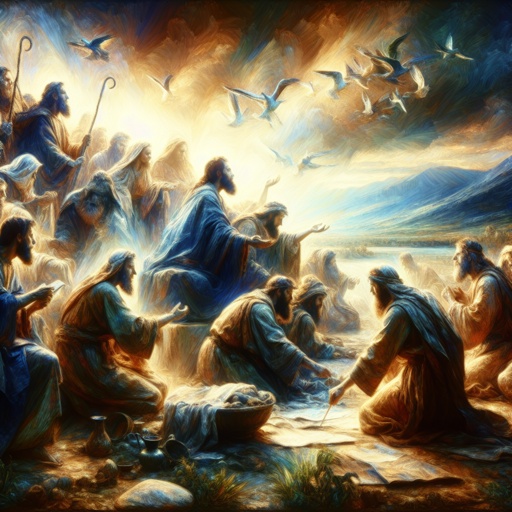
Exodus 15:23

Exodus 15:23 - "¶ And when they came to Marah, they could not drink of the waters of Marah, for they were bitter: therefore the name of it was called Marah."

"¶ And when they came to Marah, they could not drink of the waters of Marah, for they were bitter: therefore the name of it was called Marah." - Exodus 15:23

Exodus 23:20

Exodus 23:4

Exodus 23:28

Exodus 23:4

Exodus 23:28

exodus 15

Exodus 23:27-28

Exodus 23:28-29

Exodus 15:22

Exodus 15:5

Exodus 15:21

Matthew 15:23

Matthew 15:23

Genesis 23-15
Luke 15:23

Exodus 20:15 - "Thou shalt not steal."

Exodus 23:32 - "Thou shalt make no covenant with them, nor with their gods."

Exodus 28:15-30

Exodus 8:1-15

Exodus 23:6 - "Thou shalt not wrest the judgment of thy poor in his cause."

Exodus 23:23 - "For mine Angel shall go before thee, and bring thee in unto the Amorites, and the Hittites, and the Perizzites, and the Canaanites, the Hivites, and the Jebusites: and I will cut them off."

Joshua 15:23 - "And Kedesh, and Hazor, and Ithnan,"

Leviticus 23:15-22

Exodus 21:23 - "And if any mischief follow, then thou shalt give life for life,"