Feasting at the Door of the Tabernacle: A Divine Invitation
“And Aaron and his sons shall eat the flesh of the ram, and the bread that is in the basket, by the door of the tabernacle of the congregation.” — Exodus 29:32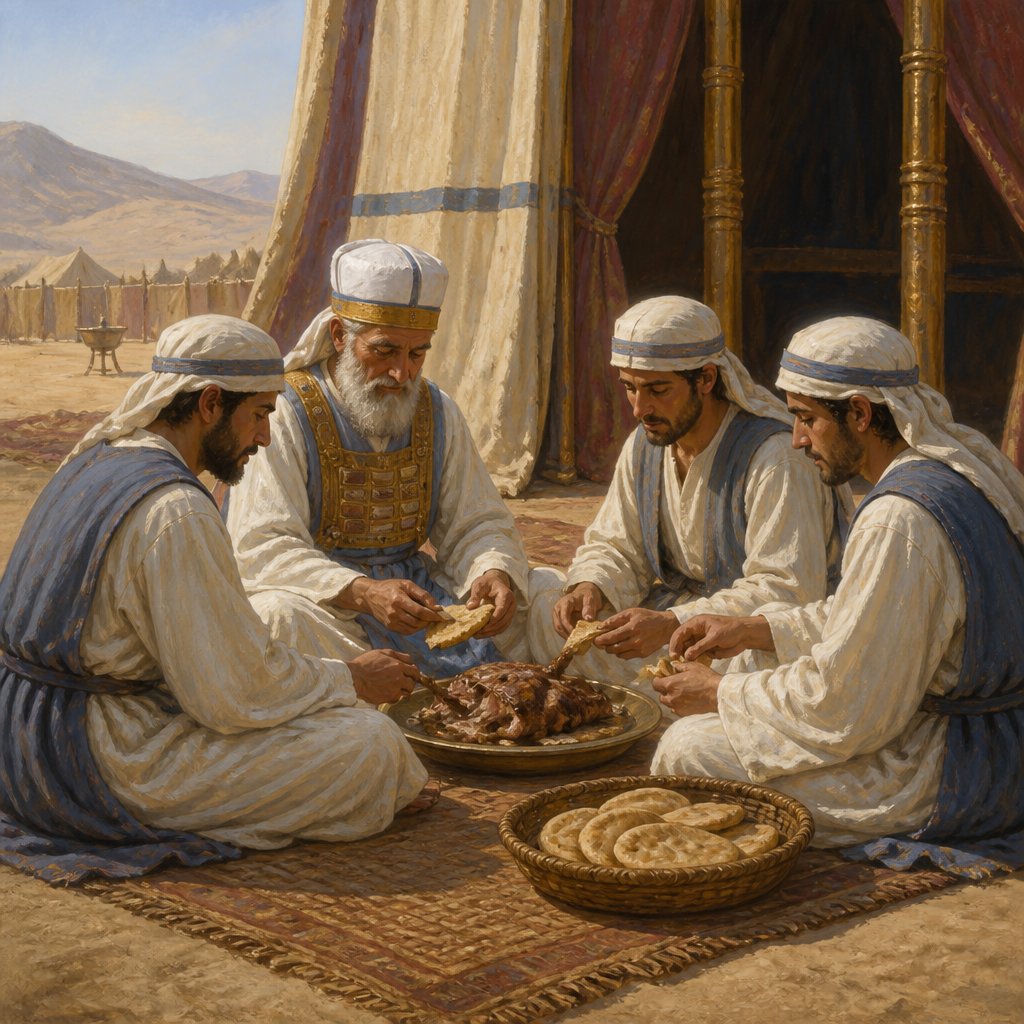
In Exodus 29:32, we find this poignant instruction: "And Aaron and his sons shall eat the flesh of the ram, and the bread that is in the basket, by the door of the tabernacle of the congregation." This command holds profound significance not only for the priests of Israel but also for us today as we explore the implications of feasting, fellowship, and the presence of God.
To understand the depth of this verse, we must first consider the context in which it is placed. Chapter 29 of Exodus describes the consecration of Aaron and his sons as priests. This chapter serves as a blueprint for how God desired His people to worship and to approach Him. Feasting is a frequent theme in Scripture, representing not just physical sustenance but also spiritual communion and joy in the presence of the Lord.
The act of eating the flesh of the ram and the bread by the door of the tabernacle is rich with symbolism. The tabernacle itself, the dwelling place of God among His people, represents God’s holiness, His meeting place with humanity. To eat at the door signifies an intimate fellowship—a coming to the threshold of God’s presence, acknowledging His sovereignty and covenant with Israel.
Why a ram? In the biblical sacrificial system, rams were often offered as a peace offering or for consecration. It speaks to the notion of absolution and reconciliation, where the flesh of the ram becomes a source of sustenance for those who serve God. By consuming the ram, Aaron and his sons participated in a divine act, reinforcing the grace given to them through their service in the priesthood. This reveals a beautiful truth: those who serve in God’s house are sustained by God’s provisions.
Moreover, the bread in the basket is significant. Bread is often referred to as the "staff of life," symbolizing nourishment and sustenance, both physically and spiritually. Within the Jewish tradition, bread represents the covenant relationship with God. In the context of priests, consuming the bread signifies their sharing in God’s bounty and, consequently, their responsibility to uphold his commandments and serve the community faithfully.
By eating at the door of the tabernacle, Aaron and his sons are also publicly declaring their role among the people and their dedicated service to God. They were to show that true worship requires an investment—not just of time or talent, but of a life offered in obedience to God’s zeal and leading.
This passage invites us to examine our own spiritual practices. How often do we pause to feast on the word of God at the threshold of His presence? Are we willing to partake in the bounty of His grace, realizing the significance of being in communion with Him? Just as Aaron and his sons dined in the presence of God, we have the privilege of dining at the table of Grace that Jesus established.
In John chapter 6, Jesus proclaims, "I am the bread of life" (John 6:35, KJV). His invitation to us is a call to partake in a deeper relationship with Him—completely and wholly sustained by His sacrifice. As we reflect on Exodus 29:32, let us cherish the access we have to the presence of God, and seek to dine at His table daily, partaking in His Word and fellowship. Let that sustenance fill our souls, empower our service, and renew our spirits as we live as priests in His Kingdom.
In conclusion, God invites us to the feast, offering Himself as sustenance for our journey. Just as Aaron and his sons shared in the communal meal by the door of the tabernacle, may we also embrace the joy of consuming the flesh of the Lamb and the Bread of Life, dwelling in the richness of His presence and extending that grace to others.
Get our apps


Artwork for Exodus 29:32

Exodus 29:32 - "And Aaron and his sons shall eat the flesh of the ram, and the bread that is in the basket, by the door of the tabernacle of the congregation."
"And Aaron and his sons shall eat the flesh of the ram, and the bread that is in the basket, by the door of the tabernacle of the congregation." - Exodus 29:32

Exodus 32:29 - "For Moses had said, Consecrate yourselves to day to the LORD, even every man upon his son, and upon his brother; that he may bestow upon you a blessing this day."

Exodus 32:28

1 Kings 11:29-32

Exodus 32:31-32 So Moses returned to the LORD and said, “Oh, what a great sin these people have committed! They have made gods of gold for themselves. / Yet now, if You would only forgive their sin.... But if not, please blot me out of the book that You have written.” Exodus 32:31-32
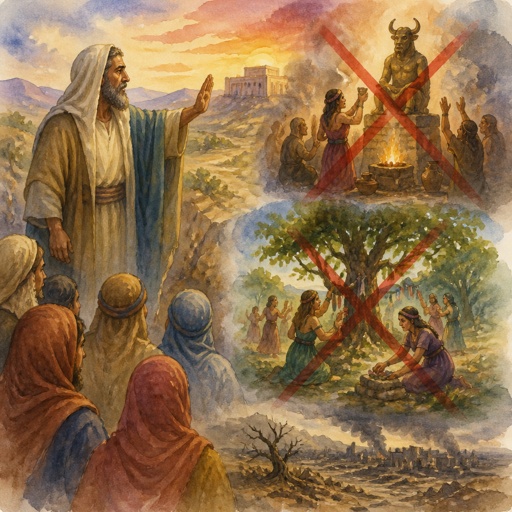
Deut 12:29-32 Warnings given

Deuteronomy 32:29 - "O that they were wise, that they understood this, that they would consider their latter end!"

Exodus 29:29 - "¶ And the holy garments of Aaron shall be his sons' after him, to be anointed therein, and to be consecrated in them."

Exodus 23:28-29

Exodus 32:32 - "Yet now, if thou wilt forgive their sin--; and if not, blot me, I pray thee, out of thy book which thou hast written."

Exodus 23:32 - "Thou shalt make no covenant with them, nor with their gods."

Exodus 35:32 - "And to devise curious works, to work in gold, and in silver, and in brass,"

Exodus 9:32 - "But the wheat and the rie were not smitten: for they were not grown up."

The Plague of Flies - Exodus 8:20-32

The Plague of Flies - Exodus 8:20-32.

The Plague of Flies - Exodus 8:20-32

Numbers 29:32 - "¶ And on the seventh day seven bullocks, two rams, and fourteen lambs of the first year without blemish:"

Exodus 13:17-14:29

Exodus 32:35 - "And the LORD plagued the people, because they made the calf, which Aaron made."

Exodus 29:45 - "¶ And I will dwell among the children of Israel, and will be their God."

Exodus 32:16 - "And the tables were the work of God, and the writing was the writing of God, graven upon the tables."

Exodus 32:14 - "And the LORD repented of the evil which he thought to do unto his people."

The Plague of Darkness - Exodus 10:21-29

The Plague of Darkness - Exodus 10:21-29

The Plague of Darkness - Exodus 10:21-29

The Plague of Darkness - Exodus 10:21-29

The Plague of Darkness - Exodus 10:21-29

The Plague of Darkness - Exodus 10:21-29

The Plague on the Firstborn - Exodus 12:29-38