What does Exodus 29:32 mean?
“And Aaron and his sons shall eat the flesh of the ram, and the bread that is in the basket, by the door of the tabernacle of the congregation.” — Exodus 29:32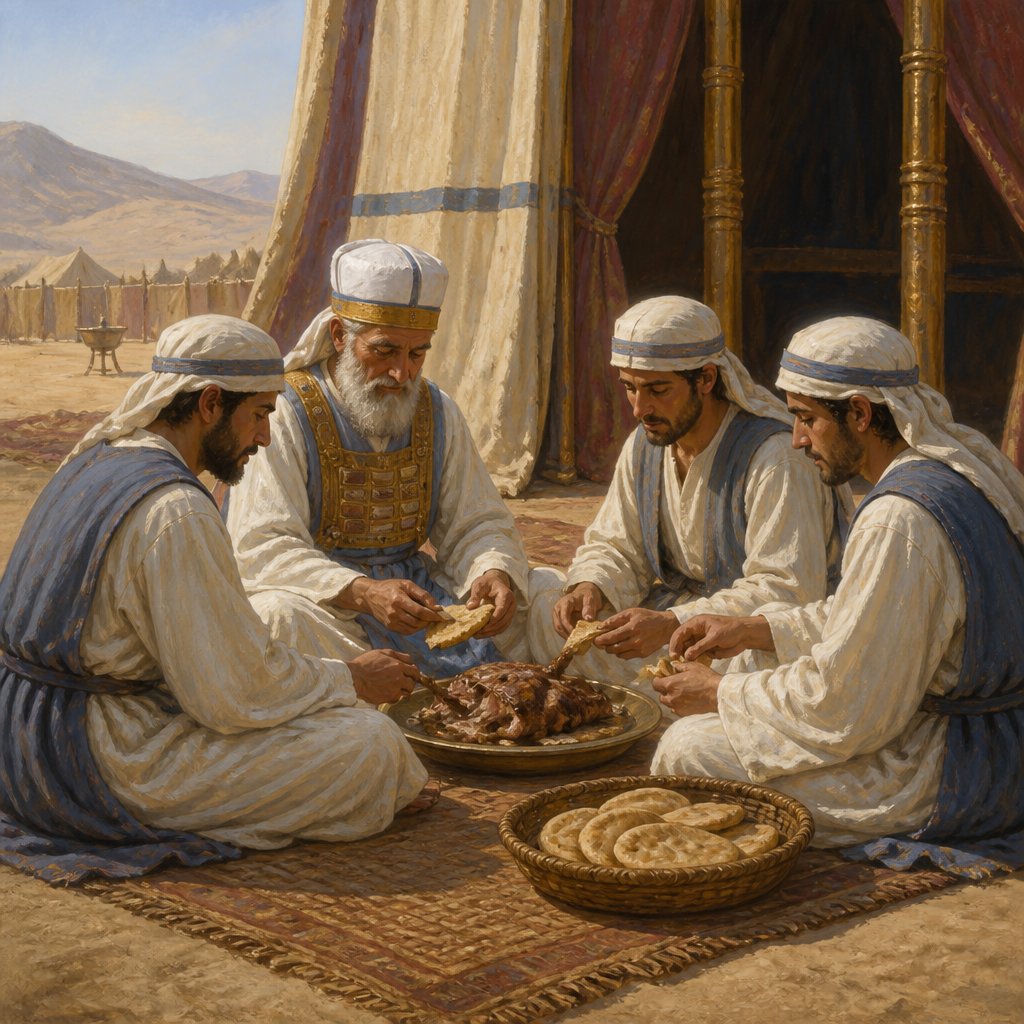
Exodus 29:32 in the King James Version of the Bible states, "And Aaron and his sons shall eat the flesh of the ram, and the bread that is in the basket, by the door of the tabernacle of the congregation." This verse is found in the Book of Exodus, which tells the story of the Israelite's exodus from Egypt and their covenant with God at Mount Sinai. In this particular passage, God is giving Moses detailed instructions for the consecration of Aaron and his sons as priests.
The context of this verse is a crucial moment in the history of the Israelite people. After their liberation from slavery in Egypt, the Israelites have been brought to Mount Sinai, where God enters into a covenant with them and gives them the Law. As part of the covenant, God instructs Moses to consecrate Aaron and his sons as priests, who will serve as intermediaries between the people and God. This consecration process involves various rituals and sacrifices, which are outlined in the preceding verses of Exodus 29.
In verse 32, the focus is on the consumption of the sacrifices. Aaron and his sons are commanded to eat the flesh of the ram and the bread that is in the basket, which is located "by the door of the tabernacle of the congregation." This act of eating the sacrifices is significant for several reasons. First, it symbolizes the priests' participation in the atonement for sin. By consuming the sacrifices, Aaron and his sons are taking part in the ritual cleansing and reconciliation between the people and God.
Second, the act of eating the sacrifices underscores the priests' identification with the people they serve. By sharing in the same food that is offered to God, the priests demonstrate their solidarity with the community and their responsibility to intercede on their behalf. This emphasizes the priestly role as mediators between the people and God, advocating for the people and representing their needs and concerns before the divine presence.
Furthermore, the location of the consumption "by the door of the tabernacle of the congregation" is significant. The tabernacle is the sacred dwelling place of God among the Israelites, and the entrance represents the boundary between the sacred and the profane. By eating the sacrifices at this specific location, Aaron and his sons are further emphasizing their consecration and their proximity to the divine presence. This act serves as a reminder of their sacred duties and responsibilities as priests.
In addition to its immediate context, Exodus 29:32 also carries broader theological themes that are relevant to the entire Bible. One such theme is the idea of sacrifice and atonement. Throughout the Bible, the concept of offering sacrifices as a means of seeking forgiveness and reconciliation with God is a recurring motif. In the New Testament, Jesus is portrayed as the ultimate sacrifice, whose death atones for the sins of humanity once and for all. Thus, the act of consuming the sacrifices in Exodus 29:32 foreshadows the redemptive work of Christ and the communion with God that it enables.
Another important theme in this verse is the concept of priesthood and mediation. The role of the priests as intermediaries between God and the people is central to the religious practices of ancient Israel. Their duties include offering sacrifices, leading the people in worship, teaching the Law, and representing the people before God. This theme finds its ultimate fulfillment in the person of Jesus Christ, who is described in the New Testament as the high priest who intercedes for humanity and offers himself as a sacrifice for their sins.
In conclusion, Exodus 29:32 is a verse that holds significant theological and symbolic importance within the wider biblical narrative. It serves as a reminder of the Israelite's covenant relationship with God, the role of the priests as mediators, and the themes of sacrifice and atonement. It also foreshadows the redemptive work of Christ and the communion with God that it enables. As such, this verse continues to be a source of spiritual insight and reflection for believers today.
Get our apps


Artwork for Exodus 29:32

Exodus 29:32 - "And Aaron and his sons shall eat the flesh of the ram, and the bread that is in the basket, by the door of the tabernacle of the congregation."
"And Aaron and his sons shall eat the flesh of the ram, and the bread that is in the basket, by the door of the tabernacle of the congregation." - Exodus 29:32

Exodus 32:29 - "For Moses had said, Consecrate yourselves to day to the LORD, even every man upon his son, and upon his brother; that he may bestow upon you a blessing this day."

Exodus 32:28

1 Kings 11:29-32

Exodus 32:31-32 So Moses returned to the LORD and said, “Oh, what a great sin these people have committed! They have made gods of gold for themselves. / Yet now, if You would only forgive their sin.... But if not, please blot me out of the book that You have written.” Exodus 32:31-32
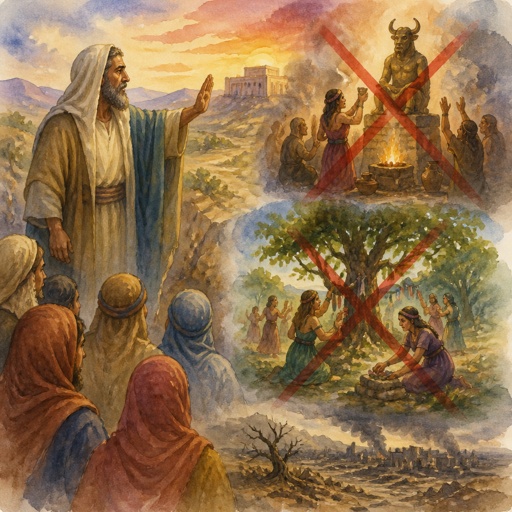
Deut 12:29-32 Warnings given

Deuteronomy 32:29 - "O that they were wise, that they understood this, that they would consider their latter end!"

Exodus 29:29 - "¶ And the holy garments of Aaron shall be his sons' after him, to be anointed therein, and to be consecrated in them."

Exodus 23:28-29

Exodus 32:32 - "Yet now, if thou wilt forgive their sin--; and if not, blot me, I pray thee, out of thy book which thou hast written."

Exodus 23:32 - "Thou shalt make no covenant with them, nor with their gods."

Exodus 35:32 - "And to devise curious works, to work in gold, and in silver, and in brass,"

Exodus 9:32 - "But the wheat and the rie were not smitten: for they were not grown up."

The Plague of Flies - Exodus 8:20-32

The Plague of Flies - Exodus 8:20-32.

The Plague of Flies - Exodus 8:20-32

Numbers 29:32 - "¶ And on the seventh day seven bullocks, two rams, and fourteen lambs of the first year without blemish:"

Exodus 13:17-14:29

Exodus 32:35 - "And the LORD plagued the people, because they made the calf, which Aaron made."

Exodus 29:45 - "¶ And I will dwell among the children of Israel, and will be their God."

Exodus 32:16 - "And the tables were the work of God, and the writing was the writing of God, graven upon the tables."

Exodus 32:14 - "And the LORD repented of the evil which he thought to do unto his people."

The Plague of Darkness - Exodus 10:21-29

The Plague of Darkness - Exodus 10:21-29

The Plague of Darkness - Exodus 10:21-29

The Plague of Darkness - Exodus 10:21-29

The Plague of Darkness - Exodus 10:21-29

The Plague of Darkness - Exodus 10:21-29

The Plague on the Firstborn - Exodus 12:29-38