The Power in Your Hand: Embracing God's Authority
“And thou shalt take this rod in thine hand, wherewith thou shalt do signs.” — Exodus 4:17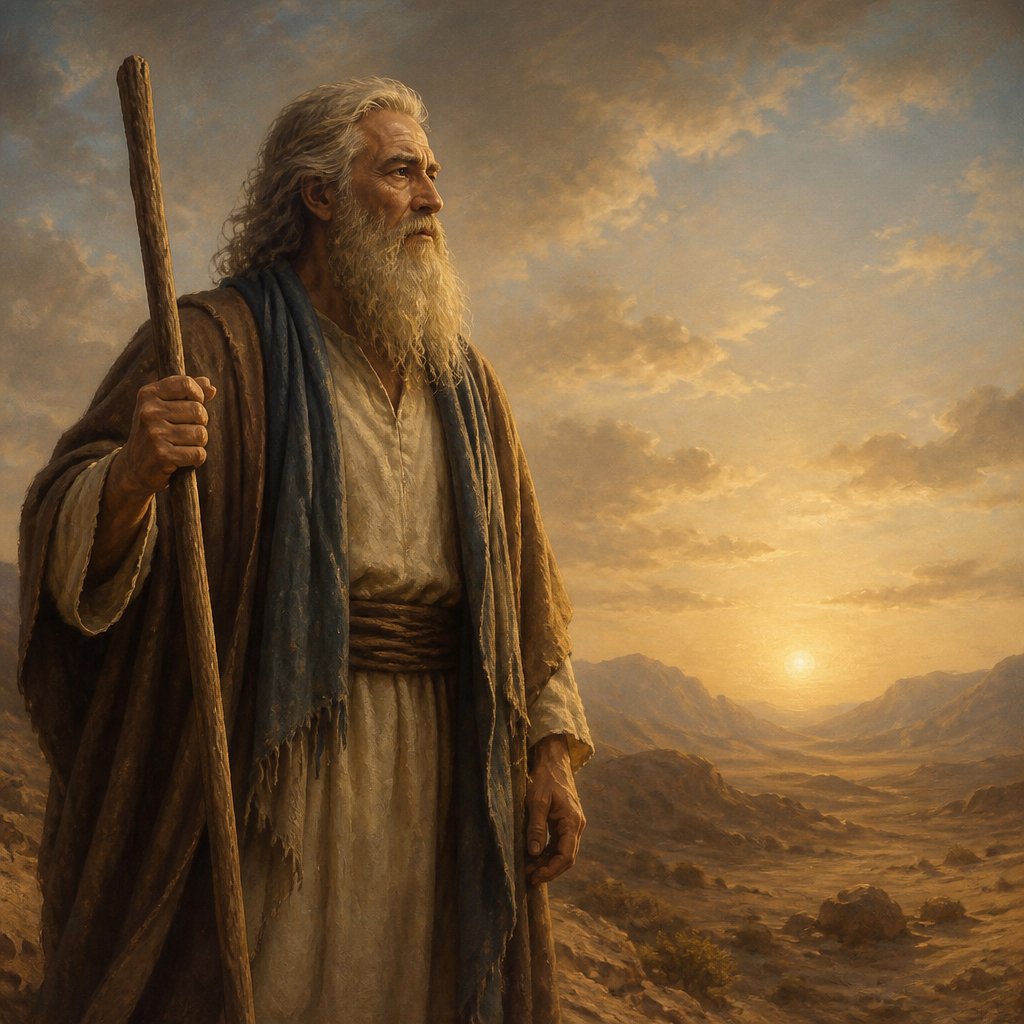
In Exodus 4:17, we encounter a pivotal moment in the life of Moses, a man chosen by God to lead His people out of slavery in Egypt. The verse states, "And thou shalt take this rod in thine hand, wherewith thou shalt do signs." This seemingly simple directive carries profound implications for Moses and for us today.
The rod, a common shepherd's tool, was transformed into an instrument of God's power. It became a symbol of divine authority, capable of performing miracles that would ultimately lead to Israel’s liberation. When God instructed Moses to take the rod in his hand, He was not just sending him on a mission; He was instilling in him the authority and power necessary to fulfill that mission. What we must recognize is that God often uses ordinary objects and humble circumstances to accomplish His extraordinary purposes.
Just as Moses' rod was nothing special in itself, our own lives and abilities may seem unremarkable. Often, we underestimate what God can do through us when we place our trust in Him. This invites us to reflect on our own 'rods'—the tools, gifts, and experiences God has entrusted to us. They may appear trivial or ineffective, but in His hands, they can lead to signs and wonders. Jesus demonstrated this principle during His earthly ministry. He took what was available—loaves and fishes—to feed the multitude. He invites us to bring what we have, no matter how small, to Him, and He will multiply our offerings for His glory.
As we ponder the significance of the rod, we must also consider the context of Moses' journey. When God first called Moses from the burning bush, Moses was filled with excuses and doubts. He questioned his own abilities and feared that the Israelites would not believe him. But God's response was clear and powerful: He showed Moses miraculous signs, including the transformation of his rod into a serpent and back again (Exodus 4:3-4). This encounter was meant to reassure Moses of God’s presence and power; it was the beginning of his journey from self-doubt to a confident leader equipped with God’s authority.
In our own lives, we may feel unequipped or inadequate for the tasks ahead. How often do we hide behind our insecurities, convinced that we cannot make a difference? Like Moses, we may come up with various reasons why we cannot serve God effectively. However, the truth is that our effectiveness comes not from our strength but from the God we serve. God doesn’t seek out the most qualified; He qualifies those He calls. When He says, "And thou shalt take this rod in thine hand," He is reminding us that it is not our skills or station in life that dictate our potential but His power working through us.
As we take up our own 'rods'—our gifts, our passions, our testimonies—we are to do so with confidence, knowing that God is with us. The rod is also a reminder that we are to engage actively in the work of God. It is not enough to have a vision or a calling; we must take action. When we step out in faith and wield our 'rod'—which, for us, could be sharing the Gospel, serving the needy, or simply shining a light in a dark place—we invite God to work through us.
In closing, remember that with God, every ordinary item in our life can become a divine instrument. The power does not rest in the rod itself but in the One who commands its use. So I challenge you today: what is in your hand? Will you embrace it, trusting in God’s authority and power, to do signs and wonders in your life and in the lives of those around you? As you step forward in faith, watch how God transforms the ordinary into the extraordinary, revealing His glory through your willingness to serve.
Get our apps


Artwork for Exodus 4:17

Exodus 4:17 - "And thou shalt take this rod in thine hand, wherewith thou shalt do signs."
"And thou shalt take this rod in thine hand, wherewith thou shalt do signs." - Exodus 4:17

Exodus 17:4 - "And Moses cried unto the LORD, saying, What shall I do unto this people? they be almost ready to stone me."
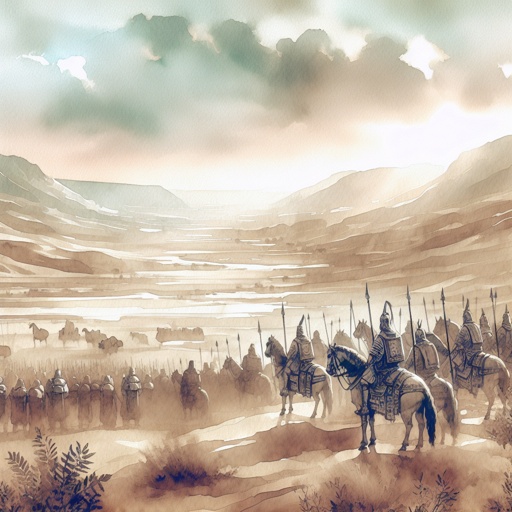
Exodus 17:10

Exodus 17:11

Exodus 17:6

Exodus 17:3

Exodus 17:3

Exodus 17:6

Exodus 17:6

Exodus 24:17

Exodus 17:6

Exodus 30:17 - "¶ And the LORD spake unto Moses, saying,"

Exodus 17:8 - "¶ Then came Amalek, and fought with Israel in Rephidim."
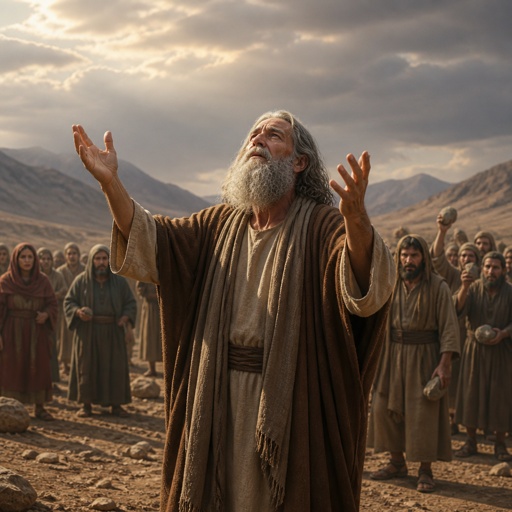
"And Moses cried unto the LORD, saying, What shall I do unto this people? they be almost ready to stone me." - Exodus 17:4

Exodus 13:17-14:29

Exodus 6:17 - "The sons of Gershon; Libni, and Shimi, according to their families."

Exodus 34:17 - "Thou shalt make thee no molten gods."

Exodus 17:15 - "And Moses built an altar, and called the name of it Jehovah-nissi:"

Exodus 17:13 - "And Joshua discomfited Amalek and his people with the edge of the sword."

Exodus 23:4

Exodus 28:4

Exodus 28:4

Exodus 35:17 - "The hangings of the court, his pillars, and their sockets, and the hanging for the door of the court,"

Exodus 28:4

Exodus 28:4

Exodus 24:4

Exodus 23:4

Exodus 16:17 - "And the children of Israel did so, and gathered, some more, some less."

Exodus 39:17 - "And they put the two wreathen chains of gold in the two rings on the ends of the breastplate."