The Burden of the Unjust: Finding Strength in Struggles
“There is no straw given unto thy servants, and they say to us, Make brick: and, behold, thy servants are beaten; but the fault is in thine own people.” — Exodus 5:16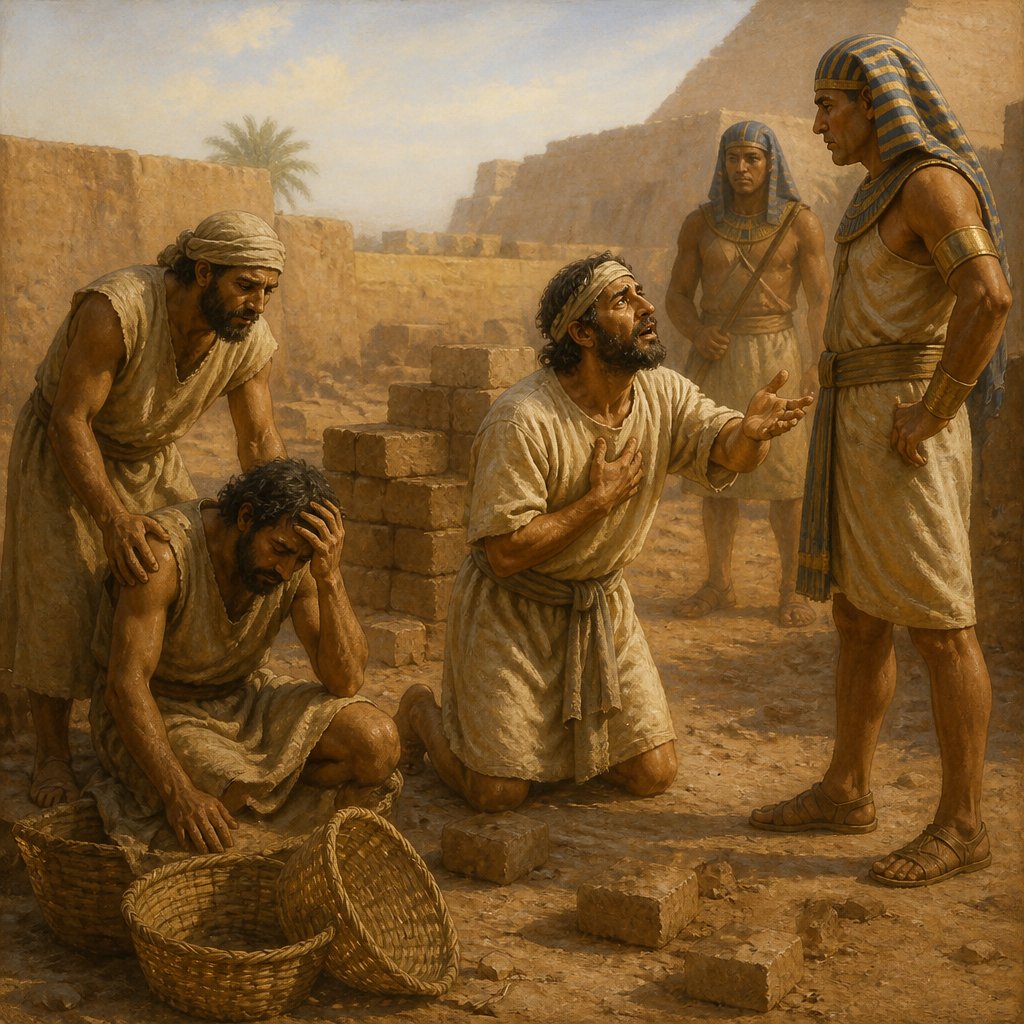
In the heart of Exodus 5:16, we are faced with the raw reality of oppression. The children of Israel, enslaved under Pharaoh’s rule, cry out, "There is no straw given unto thy servants, and they say to us, Make brick: and, behold, thy servants are beaten; but the fault is in thine own people." This verse encapsulates a moment of deep anguish and frustration felt by the Israelites as they navigate the treacherous path of enslavement.
To understand the depth of what this verse conveys, we must first contextualize the situation in which these words were spoken. The Israelites, though God’s chosen people, found themselves at the mercy of a ruthless political regime that saw them not as people but as mere tools for labor. Their task of making bricks was tied to their survival, but they were stripped of the means – the straw needed for the bricks – resulting in impossible expectations and severe punishment. This cycle of inhuman treatment showcases an important truth: when the oppressor demands more than the oppressed can give, the result is not only physical depletion but also spiritual and emotional turmoil.
The plea of the Israelite servants touches upon the nature of an unjust system. They recognize that the responsibility of their suffering does not lie solely upon them, but upon the very oppressors who have manipulated the laws of labor in their favor. "...but the fault is in thine own people." This recognition is critical; it unveils the real issues behind their hardship. In our lives, how often do we find ourselves trapped in situations where we bear blame for the conditions set upon us by others? We must acknowledge that unfair expectations can lead to frustration and even despair.
Yet, even within this moment of oppression, we can glean profound lessons about resilience and God’s merciful character. God did not leave His people devoid of hope. The narrative of Exodus continues beyond their cries, leading to the miraculous deliverance under Moses’ leadership. The suffering voiced in Exodus 5:16 is but the beginning of a story that unfolds into a testament of divine intervention, illustrating that God hears the cries of the oppressed. In our own lives, when we face similar struggles, we are reminded that God is acutely aware of our pain. He sees the injustices that beset us, and He is always at work behind the scenes, orchestrating a path toward deliverance.
Moreover, this verse challenges us to consider our own response to suffering. The Israelites did not remain silent in their anguish; they articulated their pain to their overseers and ultimately to God. Have we embraced such transparency in our moments of distress? Prayer and lament are powerful expressions of our faith and trust in God’s sovereignty even when we feel abandoned in our trials.
As we meditate on these words today, let us reflect on our perceptions of struggle and the burdens we carry. When faced with adversity, it is easy to succumb to feelings of hopelessness, but in Christ, we are reminded that every hardship we face serves a greater purpose. Just as God heard the Israelites' cries, so too does He hear our own. Let us then choose to respond to our trials with faith and to seek His strength through prayer, knowing that our suffering is not in vain.
Finally, let us extend compassion to others who may be bearing burdens similar to those the Israelites faced. Advocacy for justice and offering support to the oppressed mirror the very heart of Christ. In doing so, we participate in God’s work of restoration in our world.
May we live with the assurance that even in our hardest moments, we are not left alone, and the transformative journey of faith leads us toward a promised hope.
Get our apps


Artwork for Exodus 5:16

Exodus 5:16 - "There is no straw given unto thy servants, and they say to us, Make brick: and, behold, thy servants are beaten; but the fault is in thine own people."
"There is no straw given unto thy servants, and they say to us, Make brick: and, behold, thy servants are beaten; but the fault is in thine own people." - Exodus 5:16

Exodus 16:5 - "And it shall come to pass, that on the sixth day they shall prepare that which they bring in; and it shall be twice as much as they gather daily."

Exodus 24:16

Exodus 25:16
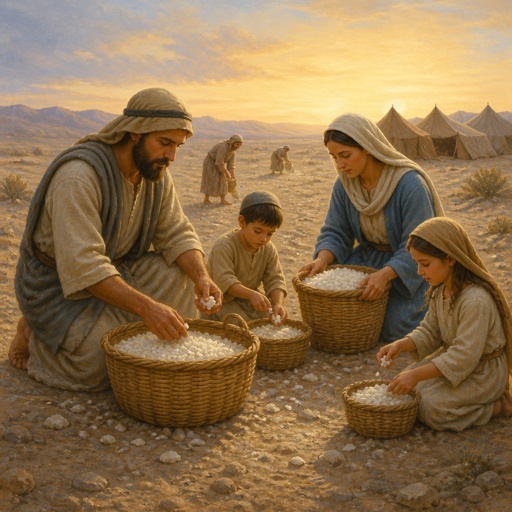
"And it shall come to pass, that on the sixth day they shall prepare that which they bring in; and it shall be twice as much as they gather daily." - Exodus 16:5

Exodus 25:16

Exodus 25:16

Exodus 19:16-20

Exodus 15:5

Exodus 16:11 - "¶ And the LORD spake unto Moses, saying,"

Exodus 16:30 - "So the people rested on the seventh day."

Exodus 22:5

Exodus 22:5

Exodus 22:5

Exodus 16:36 - "Now an omer is the tenth part of an ephah."

In Exodus 16, create the image of manna

Exodus 16:19 - "And Moses said, Let no man leave of it till the morning."

Exodus 4:1-5

Exodus 5:5 - "And Pharaoh said, Behold, the people of the land now are many, and ye make them rest from their burdens."

The Plague of Gnats - Exodus 8:16-19

Exodus 20:16 - "Thou shalt not bear false witness against thy neighbour."

Exodus 36:16 - "And he coupled five curtains by themselves, and six curtains by themselves."

Galatians 5:16-17

Galatians 5:16-17

James 5:16

Exodus 16:17 - "And the children of Israel did so, and gathered, some more, some less."

Exodus 38:16 - "All the hangings of the court round about were of fine twined linen."

Exodus 16:2 - "And the whole congregation of the children of Israel murmured against Moses and Aaron in the wilderness:"

Exodus 25:16 - "And thou shalt put into the ark the testimony which I shall give thee."