What does Exodus 5:16 mean?
“There is no straw given unto thy servants, and they say to us, Make brick: and, behold, thy servants are beaten; but the fault is in thine own people.” — Exodus 5:16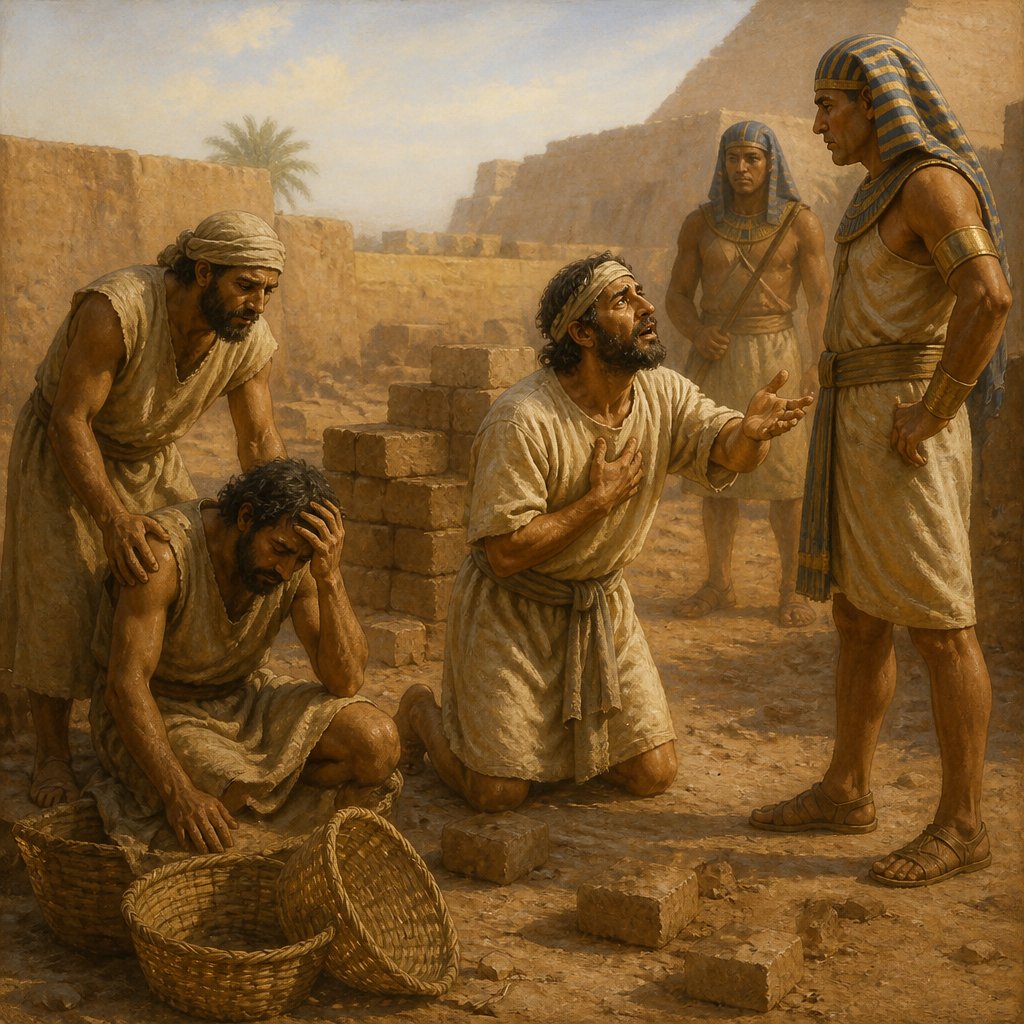
Exodus 5:16 in the King James Version of the Bible states, "There is no straw given unto thy servants, and they say to us, Make brick: and, behold, thy servants are beaten; but the fault is in thine own people." This verse is taken from a conversation between the Israelite foremen and Pharaoh, as the Israelites are being forced into hard labor in Egypt. Let's explore the deeper meaning and significance of this verse in its historical and cultural context, as well as its relevance to contemporary life.
The Book of Exodus is the second book of the Bible and tells the story of the Israelites' liberation from slavery in Egypt. The events depicted in this verse take place after Moses and Aaron have gone to Pharaoh to ask for the Israelites to be released from their bondage. Instead of granting their request, Pharaoh responds by increasing the Israelites' workload and making their lives even more difficult. The context of this verse is crucial for understanding the desperation and hopelessness the Israelites were facing at this time.
The verse captures the frustration and despair of the Israelite foremen as they confront Pharaoh about the lack of straw provided to make bricks. In ancient Egypt, straw was a crucial component in making mud bricks, as it helped bind the bricks together. The absence of straw made their already strenuous work even more challenging. This verse illustrates the injustice and cruelty of the Israelites' situation, as they are forced to labor under oppressive conditions with no relief in sight.
The theme of oppression and injustice is central to this verse and the broader narrative of Exodus. The Israelites' suffering at the hands of the Egyptians is emblematic of the suffering of marginalized and oppressed people throughout history. The verse highlights the abuse of power and the dehumanizing effects of slavery, themes that resonate with contemporary issues of social justice and human rights.
Moreover, the Israelite foremen's plea to Pharaoh reflects the power dynamics at play in society. Despite being in a position of authority, Pharaoh is callous and indifferent to the suffering of the Israelites. His response to their complaints is to blame their own people for the lack of productivity, further perpetuating the cycle of oppression and exploitation. This dynamic parallels the experiences of many who have been mistreated by those in positions of power and authority.
Symbolically, the lack of straw can be interpreted as a metaphor for the absence of support and resources necessary for survival. The Israelites' struggle to make bricks without straw represents the futility of their efforts in the face of insurmountable obstacles. This symbolizes the broader experience of being trapped in a system that is designed to keep them in subjugation.
In a larger theological context, this verse also speaks to the complexity of faith and the challenges of remaining steadfast in the midst of adversity. The Israelites' faith is tested as they endure persecution and hardship, yet they continue to call upon God for deliverance. This serves as a powerful reminder of the resilience and determination of the human spirit in the face of overwhelming odds.
In conclusion, Exodus 5:16 is a poignant and powerful verse that encapsulates the suffering and resilience of the Israelites in their quest for freedom. It speaks to the universal themes of oppression, injustice, and the struggle for liberation, resonating with contemporary issues of social justice and human rights. The verse serves as a reminder of the enduring human spirit and the importance of standing up against systems of oppression. It calls us to reflect on our own roles in addressing injustice and advocating for the rights and dignity of all people.
Get our apps


Artwork for Exodus 5:16

Exodus 5:16 - "There is no straw given unto thy servants, and they say to us, Make brick: and, behold, thy servants are beaten; but the fault is in thine own people."
"There is no straw given unto thy servants, and they say to us, Make brick: and, behold, thy servants are beaten; but the fault is in thine own people." - Exodus 5:16

Exodus 16:5 - "And it shall come to pass, that on the sixth day they shall prepare that which they bring in; and it shall be twice as much as they gather daily."

Exodus 24:16

Exodus 25:16
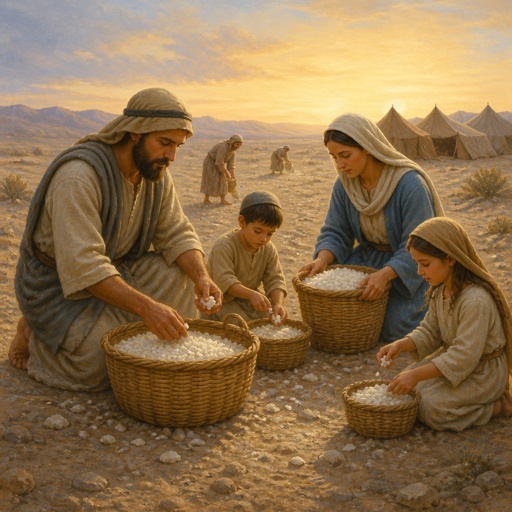
"And it shall come to pass, that on the sixth day they shall prepare that which they bring in; and it shall be twice as much as they gather daily." - Exodus 16:5

Exodus 25:16

Exodus 25:16

Exodus 19:16-20

Exodus 15:5

Exodus 16:11 - "¶ And the LORD spake unto Moses, saying,"

Exodus 16:30 - "So the people rested on the seventh day."

Exodus 22:5

Exodus 22:5

Exodus 22:5

Exodus 16:36 - "Now an omer is the tenth part of an ephah."
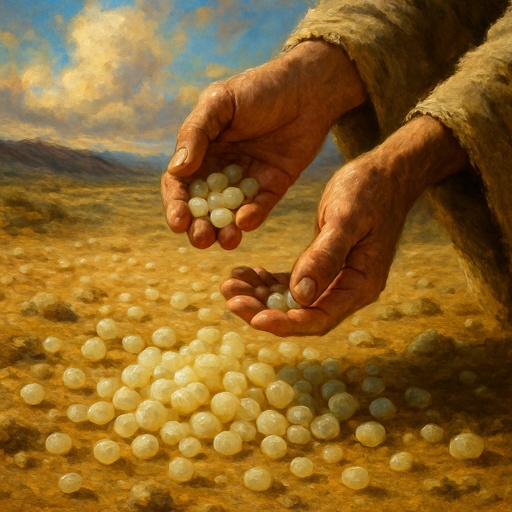
In Exodus 16, create the image of manna

Exodus 16:19 - "And Moses said, Let no man leave of it till the morning."

Exodus 4:1-5

Exodus 5:5 - "And Pharaoh said, Behold, the people of the land now are many, and ye make them rest from their burdens."

The Plague of Gnats - Exodus 8:16-19

Exodus 20:16 - "Thou shalt not bear false witness against thy neighbour."

Exodus 36:16 - "And he coupled five curtains by themselves, and six curtains by themselves."

Galatians 5:16-17

Galatians 5:16-17
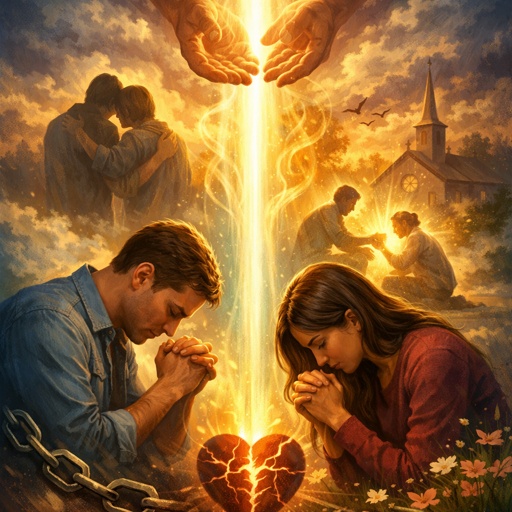
James 5:16

Exodus 16:17 - "And the children of Israel did so, and gathered, some more, some less."

Exodus 38:16 - "All the hangings of the court round about were of fine twined linen."

Exodus 16:2 - "And the whole congregation of the children of Israel murmured against Moses and Aaron in the wilderness:"

Exodus 25:16 - "And thou shalt put into the ark the testimony which I shall give thee."