Rise Up Early: An Invitation to Divine Action
“And the LORD said unto Moses, Rise up early in the morning, and stand before Pharaoh; lo, he cometh forth to the water; and say unto him, Thus saith the LORD, Let my people go, that they may serve me.” — Exodus 8:20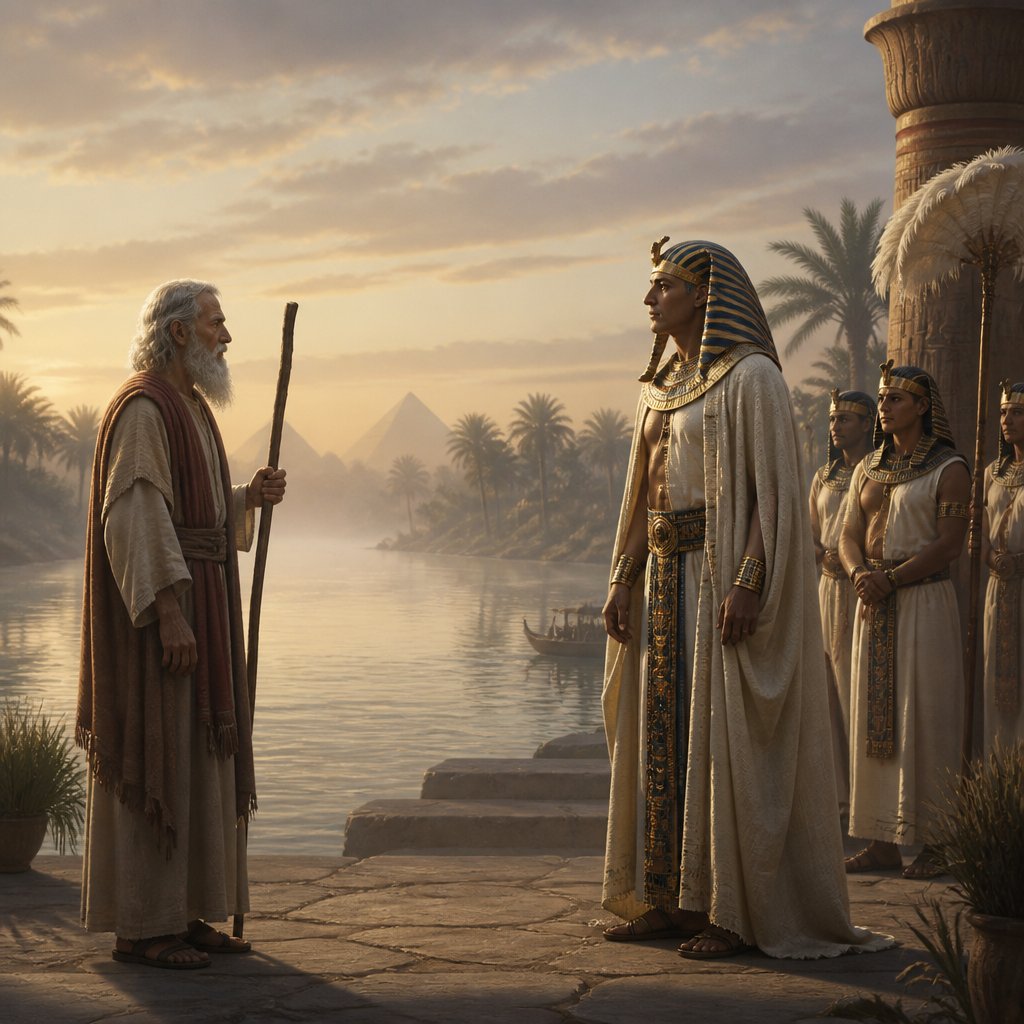
In Exodus 8:20, we find a profound directive from the Lord to Moses as he embarks on a mission to confront Pharaoh. The verse reads: "And the LORD said unto Moses, Rise up early in the morning, and stand before Pharaoh; lo, he cometh forth to the water; and say unto him, Thus saith the LORD, Let my people go, that they may serve me." This simple yet powerful instruction holds deep significance not only for Moses and Pharaoh but also for us today as we navigate our spiritual journeys and life’s challenges.
The command begins with a call to action: "Rise up early in the morning." Morning is a time of renewal, a symbol of hope, and an opportunity to begin anew. It’s no accident that God encourages Moses to approach Pharaoh at this time. Early mornings often present a quiet moment of solitude and reflection. It sets a tone for the day, allowing us to focus our hearts and minds on God before the distractions of the world come rushing in. In our own spiritual walks, how many times do we need to 'rise up early'—to dedicate our first moments to prayer, to reading Scripture, and seeking the Lord’s guidance for the day ahead?
Moses is instructed to stand before Pharaoh, who is described as coming forth to the water. This image is powerful. Water has biblical significance as a source of life and, at times, represents a boundary for the Israelites. By standing before Pharaoh at this moment, Moses is indeed standing at a pivotal intersection of life and authority, confronting a ruler who has the power over God’s people yet lacks authority over God Himself. When we stand before our own ‘Pharaohs’—the challenges, fears, and societal pressures that try to keep us from our divine purpose—it is imperative to recognize the true source of power and authority. Like Moses, we must declare, “Thus saith the LORD.”
In addition, the directive to say, "Let my people go, that they may serve me," is a reminder of our calling as believers. God desires a personal relationship with His people, and true freedom is found in service to Him. The request to let the Israelites go speaks not just to their physical liberation from slavery but to their restoration to their intended purpose as God’s chosen people, who are called to worship and serve Him. In our own lives, we may feel imprisoned by various forms of bondage—sin, anxiety, past failures, or the expectations placed upon us by others. Yet, God calls us to rise up, seek our freedom, and engage in service that is deeply fulfilling and divinely ordained.
Moreover, God’s reassurance that "he cometh forth to the water" should encourage us. This implies not only God’s foreknowledge of Pharaoh’s actions but also His sovereign control over the situation. As we align ourselves with God’s purpose, we too can rest in the knowledge that God is already preparing the way for us to fulfill our mission. There is comfort in knowing that we are not alone; He is with us, orchestrating events even when they appear chaotic from our limited perspective.
As you reflect on Exodus 8:20, consider what God may be calling you to rise up early for. What is your morning routine like? Are you setting aside time to seek God’s face? What bold action might He be asking you to take in confronting the Pharaohs in your life? Is there an area where you feel bondage that He is inviting you to surrender for a life of freedom in Him? Remember, just as Moses was an instrument of God’s deliverance for the Israelites, you too are called to be a vessel for His glory and service.
By taking the time each morning to rise, pray, and engage with Scripture, we position ourselves to hear God's voice and prepare ourselves for the challenges that lie ahead. May we be encouraged to rise up, to stand firm in our faith, and to boldly speak forth what the Lord has commanded, believing in His promises of freedom and service.
Get our apps


Artwork for Exodus 8:20

The Plague of Flies - Exodus 8:20-32.

The Plague of Flies - Exodus 8:20-32

The Plague of Flies - Exodus 8:20-32

Exodus 8:20 - "¶ And the LORD said unto Moses, Rise up early in the morning, and stand before Pharaoh; lo, he cometh forth to the water; and say unto him, Thus saith the LORD, Let my people go, that they may serve me."
"¶ And the LORD said unto Moses, Rise up early in the morning, and stand before Pharaoh; lo, he cometh forth to the water; and say unto him, Thus saith the LORD, Let my people go, that they may serve me." - Exodus 8:20

Exodus 20:8 - "Remember the sabbath day, to keep it holy."
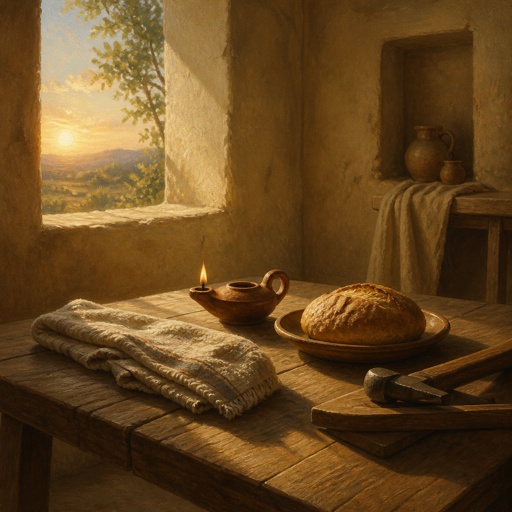
"Remember the sabbath day, to keep it holy." - Exodus 20:8

Exodus 23:20

Exodus 20:2

Exodus 27:20

Exodus 27:20

Exodus 27:20

Exodus 20:14

Exodus 20:15 - "Thou shalt not steal."

Exodus 20:13 - "Thou shalt not kill."

Exodus 27:19-20

Exodus 19:16-20

Exodus 20:14 - "Thou shalt not commit adultery."

Exodus 20:1 - "And God spake all these words, saying,"

Exodus 25:8

Exodus 20:20 - "And Moses said unto the people, Fear not: for God is come to prove you, and that his fear may be before your faces, that ye sin not."

Exodus 20:3 - "Thou shalt have no other gods before me."

The Plague of Locusts - Exodus 10:1-20

The Plague of Locusts - Exodus 10:1-20

The Plague of Locusts - Exodus 10:1-20

The Plague of Locusts - Exodus 10:1-20

The Plague of Locusts - Exodus 10:1-20

The Plague of Locusts - Exodus 10:1-20

The Plague of Locusts - Exodus 10:1-20

The Plague of Locusts - Exodus 10:1-20