What does Exodus 8:20 mean?
“And the LORD said unto Moses, Rise up early in the morning, and stand before Pharaoh; lo, he cometh forth to the water; and say unto him, Thus saith the LORD, Let my people go, that they may serve me.” — Exodus 8:20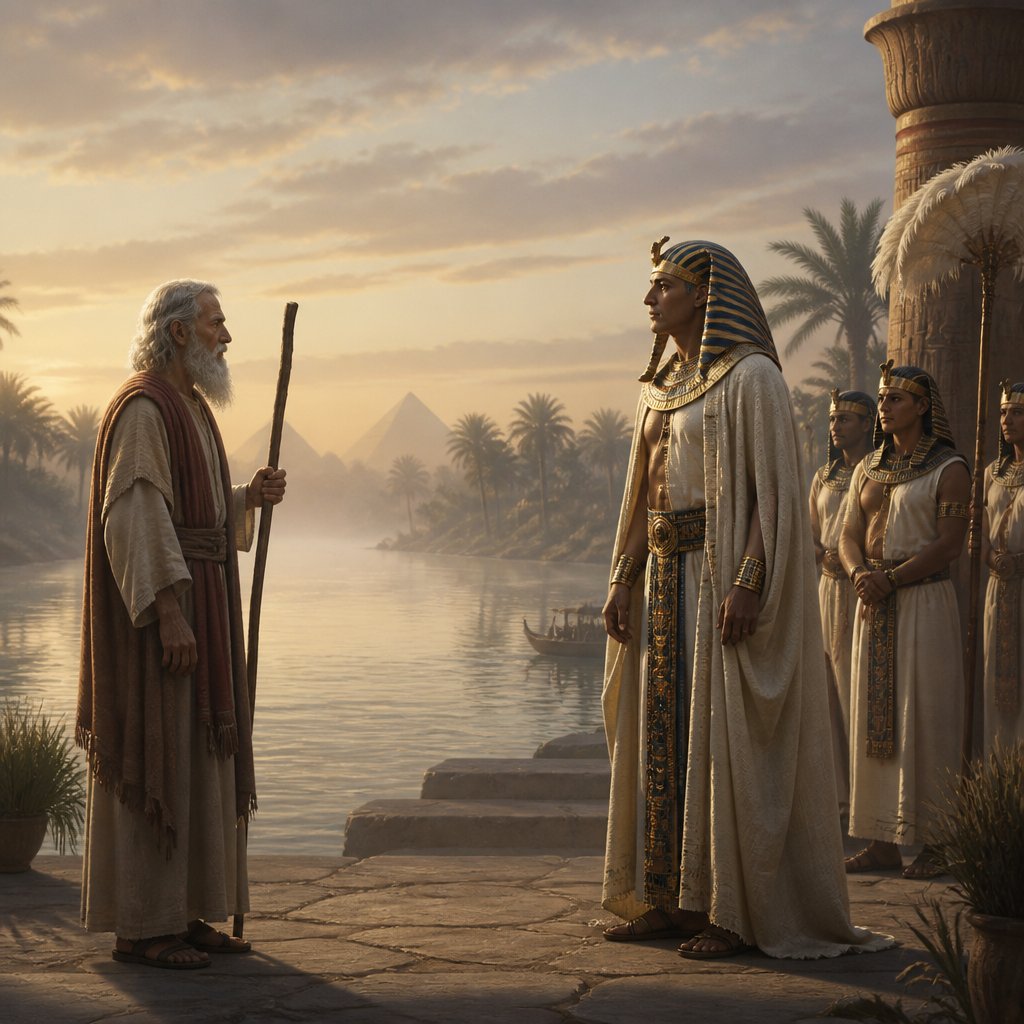
Exodus 8:20 in the King James Version of the Bible reads, "And the Lord said unto Moses, Rise up early in the morning, and stand before Pharaoh; lo, he cometh forth to the water; and say unto him, Thus saith the Lord, Let my people go, that they may serve me."
This verse is part of the larger narrative of the book of Exodus, which recounts the story of the Israelites' liberation from slavery in Egypt. The Israelites had been enslaved in Egypt for generations, and Moses, chosen by God, was tasked with leading them out of bondage. In this specific passage, the Lord commands Moses to approach Pharaoh and demand the release of the Israelite people.
One of the key themes in this verse and the broader narrative of Exodus is the concept of liberation and freedom. The Israelites were oppressed and enslaved by the Egyptians, and this verse serves as a pivotal moment in their journey towards freedom. God is instructing Moses to demand the release of his people from captivity so that they may serve and worship him freely. This theme of liberation is not only physical but also spiritual, as the Israelites are being freed to worship and honor their God in the way they were intended to.
The setting and context of this verse are also important to consider. Pharaoh, the ruler of Egypt, is a powerful and authoritative figure who has repeatedly refused to release the Israelites despite the various plagues that have been inflicted upon the land. The command for Moses to stand before Pharaoh and deliver this message is a bold and defiant act, as it directly challenges the authority of the Egyptian ruler. It sets the stage for a confrontation between God's will and the ruler's stubbornness, highlighting the ongoing struggle between obedience to God and human pride and oppression.
Symbolism is prevalent throughout this verse as well. The imagery of Pharaoh coming forth to the water holds significance, as water is often seen as a symbol of life and purification. Pharaoh's approach to the water can be seen as a representation of his temporal power and worldly authority, which is about to be confronted with the divine authority of God. The demand for the release of the Israelites symbolizes their liberation from bondage and their journey towards a promised land. Additionally, the act of serving God after being freed carries symbolic weight, as it represents the Israelites' devotion and obedience to their true master.
Overall, Exodus 8:20 is a powerful and pivotal verse in the biblical narrative of liberation and freedom. It marks a defining moment in the Israelites' journey towards freedom from oppression and their ultimate obedience to God. The themes of liberation, authority, and obedience, as well as the symbolism of water and the demand for service to God, all contribute to the rich and profound meaning of this verse. It serves as a reminder of the timeless struggle for freedom and the unwavering authority of God over the powers of this world.
Get our apps


Artwork for Exodus 8:20

The Plague of Flies - Exodus 8:20-32.

The Plague of Flies - Exodus 8:20-32

The Plague of Flies - Exodus 8:20-32

Exodus 8:20 - "¶ And the LORD said unto Moses, Rise up early in the morning, and stand before Pharaoh; lo, he cometh forth to the water; and say unto him, Thus saith the LORD, Let my people go, that they may serve me."
"¶ And the LORD said unto Moses, Rise up early in the morning, and stand before Pharaoh; lo, he cometh forth to the water; and say unto him, Thus saith the LORD, Let my people go, that they may serve me." - Exodus 8:20

Exodus 20:8 - "Remember the sabbath day, to keep it holy."
"Remember the sabbath day, to keep it holy." - Exodus 20:8

Exodus 23:20

Exodus 20:2

Exodus 27:20

Exodus 27:20

Exodus 27:20

Exodus 20:14

Exodus 20:15 - "Thou shalt not steal."

Exodus 20:13 - "Thou shalt not kill."

Exodus 27:19-20

Exodus 19:16-20

Exodus 20:14 - "Thou shalt not commit adultery."

Exodus 20:1 - "And God spake all these words, saying,"

Exodus 25:8

Exodus 20:20 - "And Moses said unto the people, Fear not: for God is come to prove you, and that his fear may be before your faces, that ye sin not."

Exodus 20:3 - "Thou shalt have no other gods before me."

The Plague of Locusts - Exodus 10:1-20

The Plague of Locusts - Exodus 10:1-20

The Plague of Locusts - Exodus 10:1-20

The Plague of Locusts - Exodus 10:1-20

The Plague of Locusts - Exodus 10:1-20

The Plague of Locusts - Exodus 10:1-20

The Plague of Locusts - Exodus 10:1-20

The Plague of Locusts - Exodus 10:1-20