The Stubborn Heart: Lessons from Exodus 9:17
“As yet exaltest thou thyself against my people, that thou wilt not let them go?” — Exodus 9:17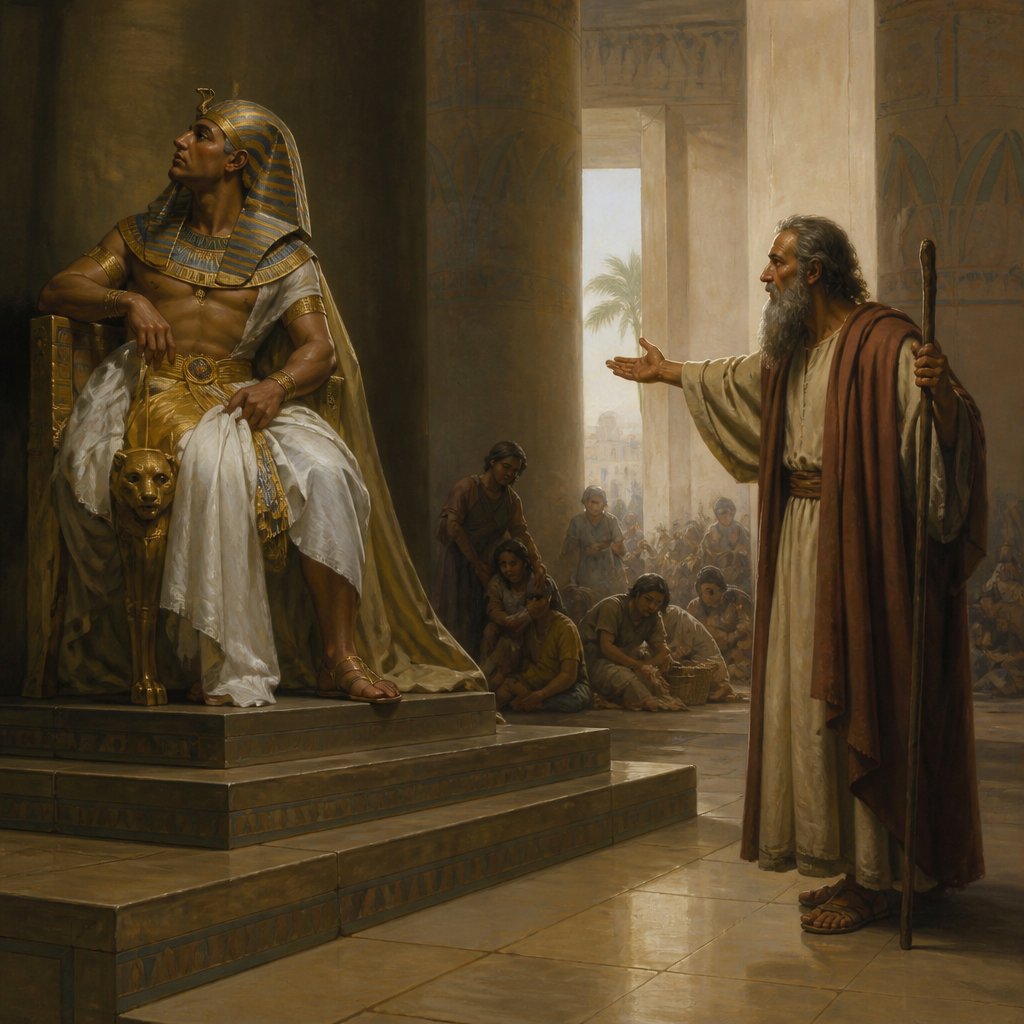
In the heart of the Exodus narrative, we encounter a powerful verse that resonates with both history and personal application. Exodus 9:17 reads: "As yet exaltest thou thyself against my people, that thou wilt not let them go?" This proclamation from God to Pharaoh encapsulates the gravity of rebellion against divine will and the seriousness of human pride.
The context of this verse is critical. The Israelites, who had been enslaved in Egypt for generations, were crying out for liberation. God raised Moses to confront Pharaoh and demand freedom for His people. Pharaoh's heart, however, was hardened; he exalted himself above the very God who commanded him. This refusal to heed God’s words resulted in a series of devastating plagues—a stark demonstration of God’s power over Pharaoh, the self-proclaimed deity of Egypt.
This moment serves as a profound lesson in humility. Pharaoh’s continuous pride stood in stark contrast to the humility required of someone who recognizes the sovereignty of God. Each plague served not only as a warning but also as an invitation to Pharaoh to relent—to lower himself and acknowledge the Lord’s authority. However, pride often blinds us to the truth. We may find ourselves entrenched in stubbornness, choosing to exalt our own understanding, will, and desires above God’s.
Exalting oneself against God often manifests in various aspects of our lives today. It could be through a critical spirit that refuses to forgive, a heart that harbors resentment, or a life that idolizes worldly pleasures over the divine calling. In this narrative, we must ask ourselves: Are we, like Pharaoh, exalting ourselves against God’s purposes for our lives? Are we resisting His call to let go of our sins, our fears, or our ambitions that do not align with His plan?
The phrase "that thou wilt not let them go" carries weight. God was urging Pharaoh to release the Israelites, but this command transcends physical bondage. It speaks against the spiritual enslavement we sometimes impose upon ourselves through our choices. When we hold onto our pride, we are bound by it, unable to experience the true freedom that God intends for us.
In our spiritual walk, we must regularly examine our hearts. Are there areas where we are resisting God’s guidance? Are our pursuits self-serving when they could be aligned with serving others? The willingness to yield our ambitions, desires, and grievances to God is essential for spiritual growth and maturity. Letting go may be challenging, for it often feels like losing a part of ourselves. However, the truth is that holding onto these things only tightens the chains of our own making.
God allows trials, like the plagues, to remind us of our need for Him. They strip away our illusions of control and self-sufficiency, inviting us back into a relationship grounded in faith and trust. The path to true freedom begins with surrender—acknowledging that we cannot navigate life on our own strength. Like the Israelites who eventually crossed the Red Sea, we are called to step into God’s plan—not on the basis of our worthiness, but on His unending grace.
In reflecting on Pharaoh’s hardened heart, we must pray for the humility to recognize when we are resisting God. Let us choose, instead of sitting atop our thrones of pride, to walk beside the humble and broken, trusting God to lead us into freedom, purpose, and a life of service. The journey of faith is one of continual letting go and surrendering to God’s will, where true liberation awaits those who choose to trust Him fully.
As we meditate on Exodus 9:17, may we not be likened to Pharaoh, but to the people of God whose hearts are receptive, ready to embrace the joyous freedom He offers as we relinquish all that binds us.
Get our apps


Artwork for Exodus 9:17

Exodus 9:17 - "As yet exaltest thou thyself against my people, that thou wilt not let them go?"
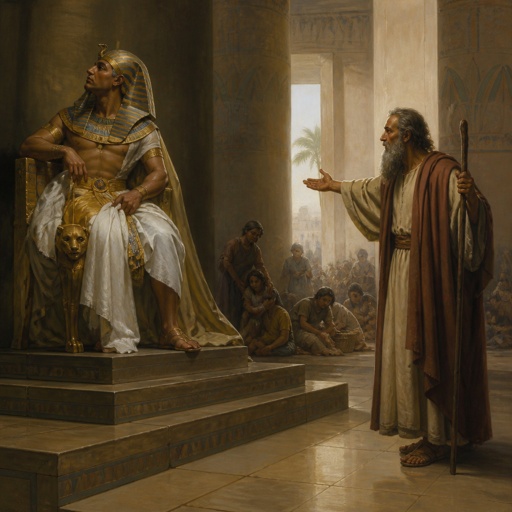
"As yet exaltest thou thyself against my people, that thou wilt not let them go?" - Exodus 9:17

The Plague Death on Livestock - Exodus 9:1-7

The Plague Death on Livestock - Exodus 9:1-7

The Plague on Livestock - Exodus 9:1-7

The Plague on Livestock - Exodus 9:1-7

Exodus 17:9 - "And Moses said unto Joshua, Choose us out men, and go out, fight with Amalek: to morrow I will stand on the top of the hill with the rod of God in mine hand."
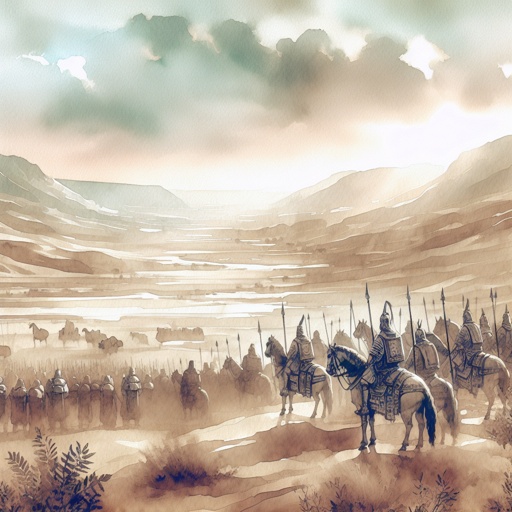
Exodus 17:10

Exodus 17:11

Exodus 17:6

Exodus 17:3

Exodus 17:3

Exodus 17:6

Exodus 17:6

Exodus 24:17

Exodus 17:6

Exodus 30:17 - "¶ And the LORD spake unto Moses, saying,"

Exodus 17:8 - "¶ Then came Amalek, and fought with Israel in Rephidim."

Exodus 40:9
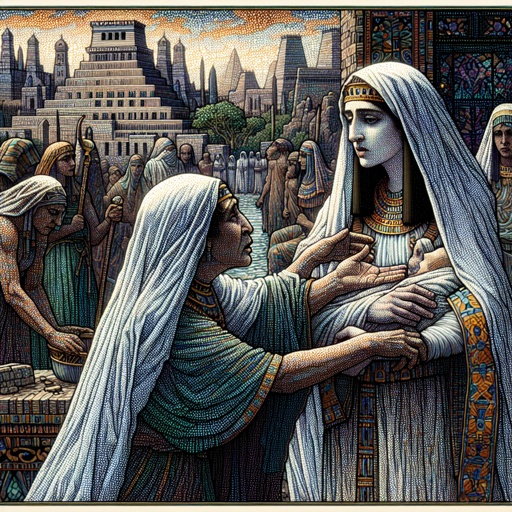
Exodus 2:9

Exodus 2:9

Exodus 13:17-14:29

Exodus 6:17 - "The sons of Gershon; Libni, and Shimi, according to their families."

Exodus 34:17 - "Thou shalt make thee no molten gods."

Exodus 17:15 - "And Moses built an altar, and called the name of it Jehovah-nissi:"

Exodus 17:13 - "And Joshua discomfited Amalek and his people with the edge of the sword."

Exodus 24:9-11

Exodus 35:17 - "The hangings of the court, his pillars, and their sockets, and the hanging for the door of the court,"

Rev 9:17

Exodus 16:17 - "And the children of Israel did so, and gathered, some more, some less."