What does Exodus 9:17 mean?
“As yet exaltest thou thyself against my people, that thou wilt not let them go?” — Exodus 9:17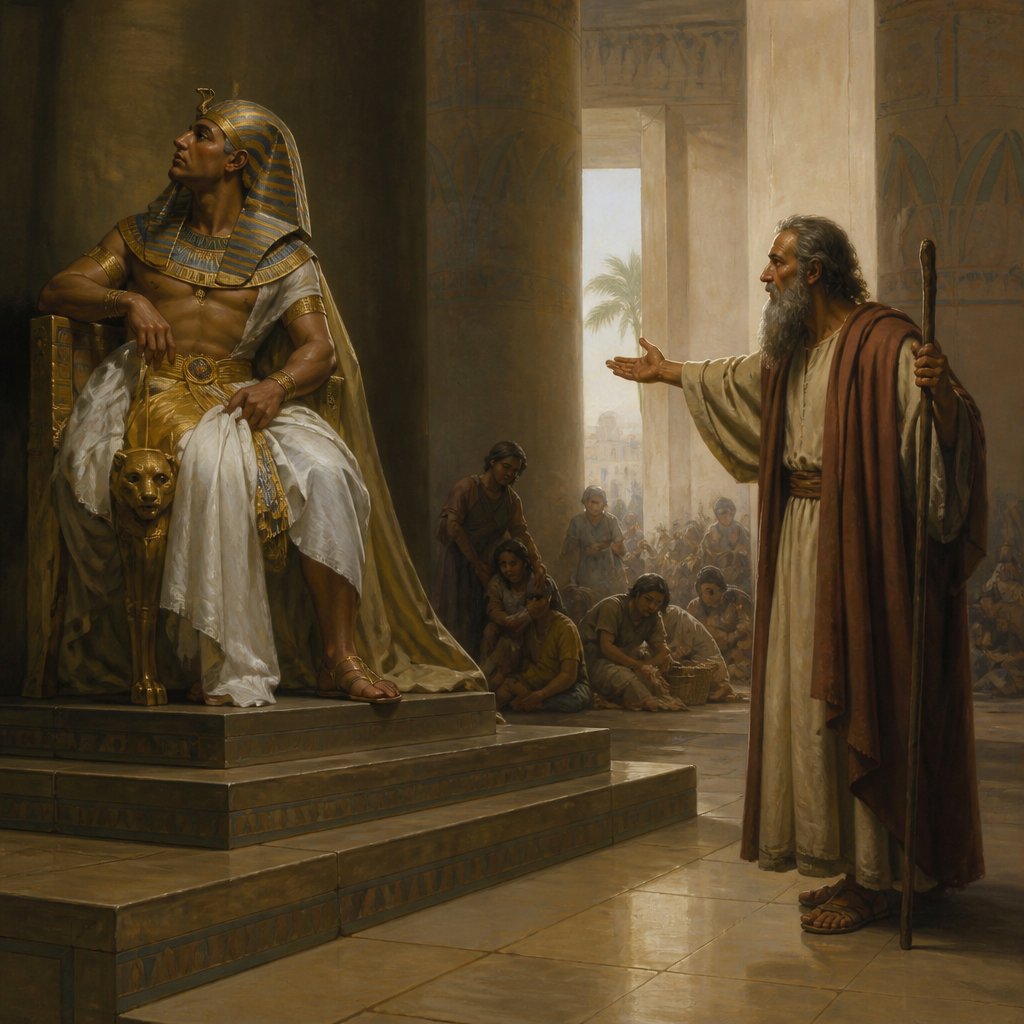
Exodus 9:17 (KJV) says, "As yet exaltest thou thyself against my people, that thou wilt not let them go?"
This verse is part of the story of the ten plagues of Egypt, which is found in the book of Exodus in the Old Testament. The ten plagues occurred as a result of Pharaoh's refusal to let the Israelites, who were enslaved in Egypt, go free. In this particular verse, God is confronting Pharaoh through Moses, questioning why he continues to resist the release of the Israelites, despite the devastation brought on by the plagues.
This verse sheds light on several important themes, including the sovereignty of God, the consequences of disobedience, and the redemption of God's people. It also speaks to the power dynamics between rulers and oppressed people, as well as the idea of justice and judgment.
One of the central themes in this verse is the sovereignty of God. Throughout the story of the plagues, God demonstrates His ultimate authority over the natural world and over the rulers of the earth. Despite Pharaoh's attempts to defy God's will, the plagues serve as a powerful reminder that God is in control. This theme is further emphasized in the New Testament, where Jesus is presented as the ultimate authority, and all rulers and authorities are subject to Him.
The verse also highlights the consequences of disobedience. Pharaoh's refusal to release the Israelites led to the devastating plagues that affected the entire land of Egypt. This serves as a cautionary tale about the repercussions of defying God's commands. It also speaks to the broader biblical theme of sin and its consequences, as well as the importance of repentance and obedience.
Furthermore, this verse speaks to the theme of the redemption of God's people. Despite Pharaoh's resistance, God remained committed to delivering the Israelites from bondage. The plagues ultimately paved the way for their liberation, illustrating God's faithfulness to His promises and His ability to deliver His people from oppression. This theme is further developed in the broader biblical narrative, culminating in the ultimate redemption through Jesus Christ.
In its historical context, this verse also sheds light on the power dynamics between rulers and oppressed people. Pharaoh, as the ruler of Egypt, held immense power and authority, and his refusal to release the Israelites reflected the systemic injustice and abuse of power that characterized their enslavement. The plagues served as a challenge to his authority and a demonstration of God's solidarity with the oppressed.
Finally, this verse carries rich symbolism that extends beyond its immediate context. The plagues themselves are often interpreted as symbolic acts of judgment and deliverance, foreshadowing God's ultimate judgment on sin and His deliverance of His people. The ongoing conflict between God and Pharaoh symbolizes the larger spiritual struggle between good and evil, and the refusal to let the Israelites go represents the stubbornness of the human heart in the face of God's grace and mercy.
In conclusion, Exodus 9:17 (KJV) is a powerful and multi-layered verse that speaks to the sovereignty of God, the consequences of disobedience, the redemption of His people, and the broader themes of justice and power dynamics. Its relevance extends far beyond its historical context, offering timeless truths about the nature of God and His relationship with humanity.
Get our apps


Artwork for Exodus 9:17

Exodus 9:17 - "As yet exaltest thou thyself against my people, that thou wilt not let them go?"
"As yet exaltest thou thyself against my people, that thou wilt not let them go?" - Exodus 9:17

The Plague Death on Livestock - Exodus 9:1-7

The Plague Death on Livestock - Exodus 9:1-7

The Plague on Livestock - Exodus 9:1-7

The Plague on Livestock - Exodus 9:1-7

Exodus 17:9 - "And Moses said unto Joshua, Choose us out men, and go out, fight with Amalek: to morrow I will stand on the top of the hill with the rod of God in mine hand."
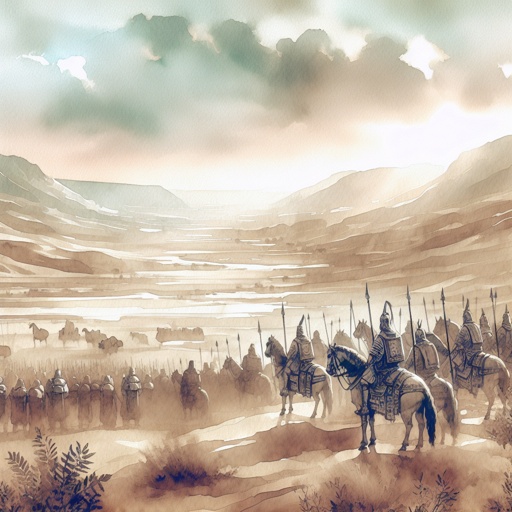
Exodus 17:10

Exodus 17:11

Exodus 17:6

Exodus 17:3

Exodus 17:3
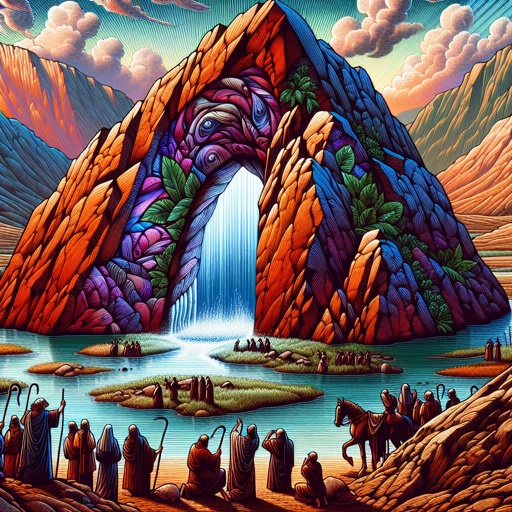
Exodus 17:6

Exodus 17:6

Exodus 24:17

Exodus 17:6

Exodus 30:17 - "¶ And the LORD spake unto Moses, saying,"

Exodus 17:8 - "¶ Then came Amalek, and fought with Israel in Rephidim."

Exodus 40:9
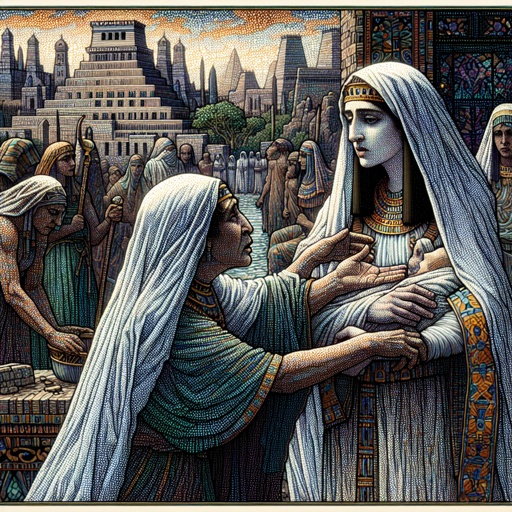
Exodus 2:9

Exodus 2:9

Exodus 13:17-14:29

Exodus 6:17 - "The sons of Gershon; Libni, and Shimi, according to their families."

Exodus 34:17 - "Thou shalt make thee no molten gods."

Exodus 17:15 - "And Moses built an altar, and called the name of it Jehovah-nissi:"

Exodus 17:13 - "And Joshua discomfited Amalek and his people with the edge of the sword."

Exodus 24:9-11

Exodus 35:17 - "The hangings of the court, his pillars, and their sockets, and the hanging for the door of the court,"

Rev 9:17

Exodus 16:17 - "And the children of Israel did so, and gathered, some more, some less."