Restoration Through Obedience: The Legacy of the Sons of Immer
“And of the sons of Immer; Hanani, and Zebadiah.” — Ezra 10:20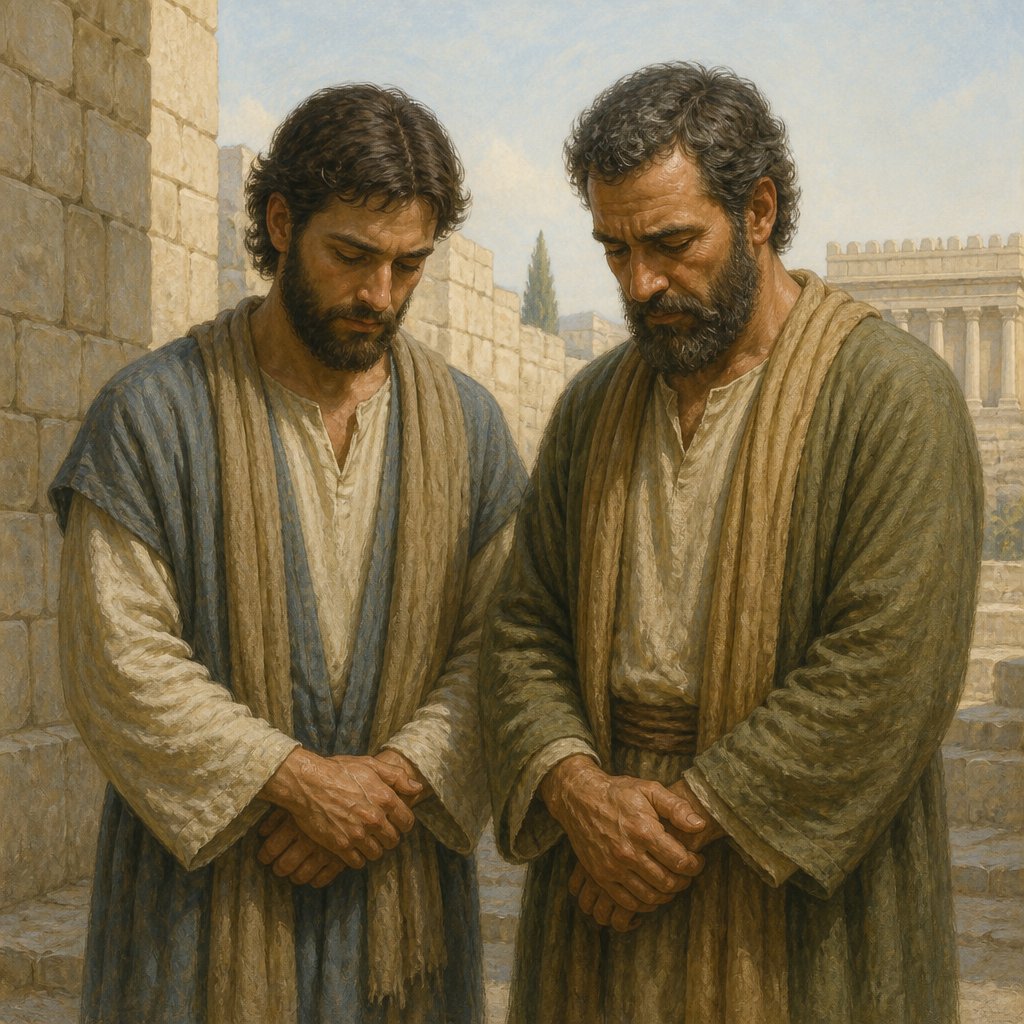
The Book of Ezra captures a pivotal moment in the history of Israel—a time when the exiled people returned to their homeland, faced the challenge of restoring their identity, worship, and community after years of captivity in Babylon. Among the names listed in Ezra 10, verse 20—"And of the sons of Immer; Hanani, and Zebadiah"—we find not just a genealogical record but also a reflection of the broader themes of restoration and obedience, which resonate profoundly with believers today.
The mention of specific names like Hanani and Zebadiah signifies the importance of individual contributions to the collective identity of the community. In biblical times, one's lineage meant everything. It denoted family, honor, and heritage. However, more than that, it illustrates how God uses individuals to execute His divine plan. Each name represents not just a person, but an entire family line committed to the restoration of the people of Israel. This invites us to reflect on the roles we play in our families and communities, recognizing that obedience to God can have far-reaching effects.
The context of Ezra's time was characterized by spiritual renewal and reform. Upon the return from exile, the Israelites were confronted with their mixed marriages and the compromises that had introduced foreign worship within their midst (Ezra 10:1-5). Ezra's leadership and the people's response showcase a desire for holiness and a return to the covenant made with God. In this moment of critical decision-making, the focus turned to personal responsibility. Although many were entangled in disobedience, individuals like Hanani and Zebadiah took a stand, aligning themselves firmly with God's command.
As we explore this idea of restoration through obedience, we can draw parallels to our own lives. Each believer is called to a life marked by obedience to God’s Word, similar to the descendants of Immer. The challenge is often much the same: to examine the influences in our lives and ensure they align with our commitment to God. Are there areas in our lives where we find ourselves compromising? Are we, like the Israelites, forming bonds that lead us away from our intended purpose? These questions are critical for our spiritual health, just as they were for the Israelites returning from Babylon.
The names "Hanani" and "Zebadiah" can also serve as reminders that obedience is often a public witness to God’s transformative power. Each step taken by these men was a testament to their faith and their desire to return to righteous living. In our current context, our faithfulness in small or mundane aspects of life can collectively contribute to the broader vision of God’s kingdom. It encourages us to think about how our relationships, our decisions, and our interactions with others reflect our commitment to God.
In addition, Ezra 10:20 embodies the grace of God in the midst of human failure. The past struggles of the Israelites—particularly with idolatry—are met not with condemnation but with an invitation to return home and reclaim their identity as God’s chosen people. This grace is mirrored in our lives today: regardless of our past mistakes, God's call to restoration remains firm. Just as Hanani and Zebadiah stepped forward to be a part of the change and healing, we too are invited to take ownership of our spiritual journey, relying on God's grace and power to guide us back.
As you meditate on the names of these sons of Immer, reflect on the areas in your life where you are called to obedience. Consider the legacy you are building as an individual and as a part of the body of Christ. May the willingness of Hanani and Zebadiah to restore their community inspire you to act boldly in your faith, embracing the grace of restoration even when faced with challenges. Ultimately, every act of obedience contributes toward the larger narrative of God's kingdom being established on earth, one faithful follower at a time.
Get our apps


Artwork for Ezra 10:20

Ezra 10:20 - "And of the sons of Immer; Hanani, and Zebadiah."
"And of the sons of Immer; Hanani, and Zebadiah." - Ezra 10:20

Ezra 10:10-12

Ezra 10:10 - "And Ezra the priest stood up, and said unto them, Ye have transgressed, and have taken strange wives, to increase the trespass of Israel."

Ezra 2:20 - "The children of Gibbar, ninety and five."

Ezra 10:3

Ezra 3:10

Ezra 10:3

Ezra 10:5 - "Then arose Ezra, and made the chief priests, the Levites, and all Israel, to swear that they should do according to this word. And they sware."

Ezra 7:10 - "For Ezra had prepared his heart to seek the law of the LORD, and to do it, and to teach in Israel statutes and judgments."

Ezra 10:38 - "And Bani, and Binnui, Shimei,"

Ezra 10:37 - "Mattaniah, Mattenai, and Jaasau,"

Ezra 10:40 - "Machnadebai, Shashai, Sharai,"

Ezra 10:32 - "Benjamin, Malluch, and Shemariah."

Ezra 10:36 - "Vaniah, Meremoth, Eliashib,"

Ezra 10:35 - "Benaiah, Bedeiah, Chelluh,"

Ezra 10:42 - "Shallum, Amariah, and Joseph."

Ezra 10:41 - "Azareel, and Shelemiah, Shemariah,"

Ezra 10:39 - "And Shelemiah, and Nathan, and Adaiah,"

Ezra 10:34 - "Of the sons of Bani; Maadai, Amram, and Uel,"
"The children of Gibbar, ninety and five." - Ezra 2:20

Ezra 2:10 - "The children of Bani, six hundred forty and two."

Ezra 10:21 - "And of the sons of Harim; Maaseiah, and Elijah, and Shemaiah, and Jehiel, and Uzziah."

Ezra 10:24 - "Of the singers also; Eliashib: and of the porters; Shallum, and Telem, and Uri."

Ezra 10:28 - "Of the sons also of Bebai; Jehohanan, Hananiah, Zabbai, and Athlai."

Ezra 10:31 - "And of the sons of Harim; Eliezer, Ishijah, Malchiah, Shemaiah, Shimeon,"

"Azareel, and Shelemiah, Shemariah," - Ezra 10:41

"And Bani, and Binnui, Shimei," - Ezra 10:38

"And Shelemiah, and Nathan, and Adaiah," - Ezra 10:39

"Vaniah, Meremoth, Eliashib," - Ezra 10:36