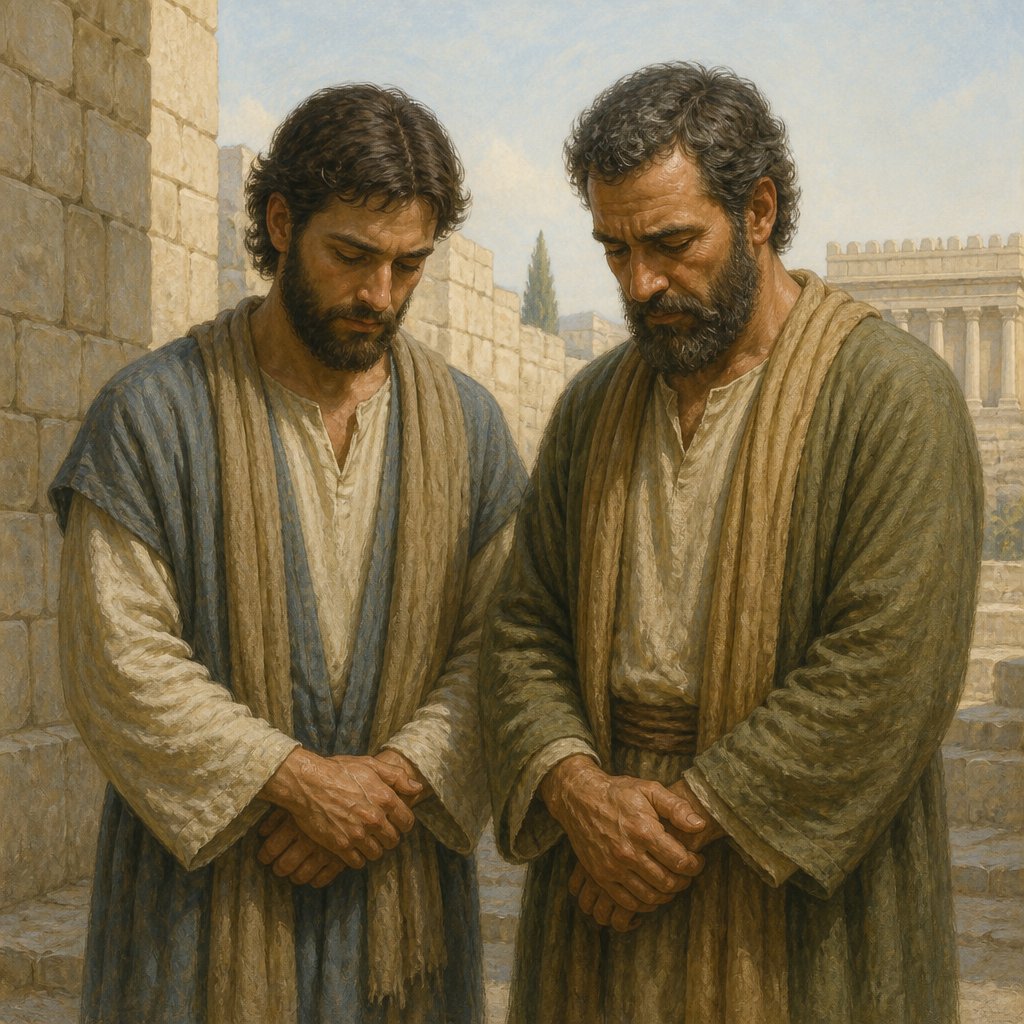
Ezra 10:20 (KJV) - "And of the sons of Immer; Hanani, and Zebadiah."
The Book of Ezra is a historical account of the return of the Jewish people from their exile in Babylon to Jerusalem, and their subsequent rebuilding of the temple. The verse, Ezra 10:20, is part of a list of men who had taken foreign wives and were instructed to separate from them as part of the religious reforms being implemented at the time. This verse specifically mentions the sons of Immer, Hanani, and Zebadiah, as individuals who had taken foreign wives and were now being held accountable for their actions.
In order to understand the significance of this verse, it is important to look at the broader context of the Book of Ezra and the themes that are prevalent throughout. The primary theme in this book is the restoration of the Jewish community and their commitment to following the law of God. The return from exile was not simply a physical return to their homeland, but also a spiritual and moral return to their faith and obedience to God.
The issue of intermarriage with foreign women was a major concern at the time, as it was seen as a threat to the purity of the Jewish community and their commitment to the covenant with God. The leaders of the community recognized that this practice needed to be addressed in order to maintain the moral integrity of their people and their relationship with God. This is why we see the specific mention of the sons of Immer and their foreign wives in Ezra 10:20, as they were being called to account for their actions and instructed to separate from their foreign wives.
The importance of this verse lies in its portrayal of the commitment to following God's law and the willingness to make difficult choices in order to maintain the purity of the community. It also speaks to the idea of accountability and the need for individuals to take responsibility for their actions, even when it may require making difficult and unpopular decisions.
Furthermore, the mention of Hanani and Zebadiah serves as a reminder that even those who held positions of leadership and authority were not exempt from the expectations of obedience to God's law. This accountability was meant to be applied to all members of the community, regardless of their social status or role within the society.
Symbolically, the verse can be seen as a representation of the broader theme of separation and devotion to God. The act of separating from foreign wives was not just a physical separation, but also a spiritual one, signifying a recommitment to the covenant and a rejection of practices that were contrary to God's law. This can also be seen as a representation of the broader idea of spiritual purity and the need to maintain a distinct identity as God's chosen people.
In conclusion, Ezra 10:20 holds significant meaning within the broader context of the Book of Ezra and the themes of restoration, obedience, and accountability. It serves as a reminder of the importance of following God's law and the willingness to make difficult choices in order to maintain the spiritual integrity of the community. The verse also symbolizes the broader theme of separation and devotion to God, as the sons of Immer are called to separate from their foreign wives as a sign of their renewed commitment to the covenant. Ultimately, Ezra 10:20 serves as a powerful representation of the unwavering dedication of the Jewish people to their faith and the importance of maintaining their spiritual purity.
Get our apps


Artwork for Ezra 10:20

Ezra 10:20 - "And of the sons of Immer; Hanani, and Zebadiah."
"And of the sons of Immer; Hanani, and Zebadiah." - Ezra 10:20

Ezra 10:10-12

Ezra 10:10 - "And Ezra the priest stood up, and said unto them, Ye have transgressed, and have taken strange wives, to increase the trespass of Israel."

Ezra 2:20 - "The children of Gibbar, ninety and five."

Ezra 10:3

Ezra 3:10

Ezra 10:3

Ezra 10:5 - "Then arose Ezra, and made the chief priests, the Levites, and all Israel, to swear that they should do according to this word. And they sware."

Ezra 7:10 - "For Ezra had prepared his heart to seek the law of the LORD, and to do it, and to teach in Israel statutes and judgments."

Ezra 10:38 - "And Bani, and Binnui, Shimei,"

Ezra 10:37 - "Mattaniah, Mattenai, and Jaasau,"

Ezra 10:40 - "Machnadebai, Shashai, Sharai,"

Ezra 10:32 - "Benjamin, Malluch, and Shemariah."

Ezra 10:36 - "Vaniah, Meremoth, Eliashib,"

Ezra 10:35 - "Benaiah, Bedeiah, Chelluh,"

Ezra 10:42 - "Shallum, Amariah, and Joseph."

Ezra 10:41 - "Azareel, and Shelemiah, Shemariah,"

Ezra 10:39 - "And Shelemiah, and Nathan, and Adaiah,"

Ezra 10:34 - "Of the sons of Bani; Maadai, Amram, and Uel,"
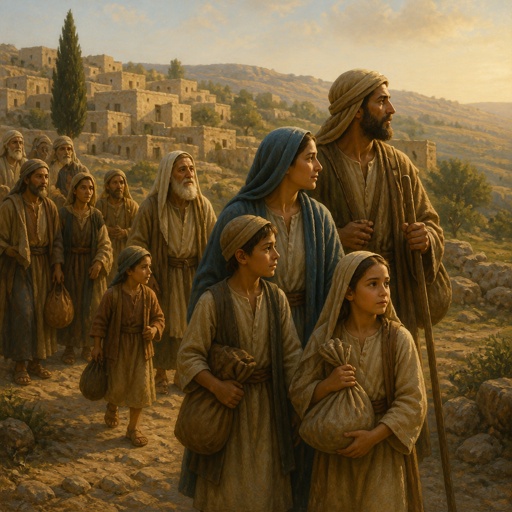
"The children of Gibbar, ninety and five." - Ezra 2:20

Ezra 2:10 - "The children of Bani, six hundred forty and two."

Ezra 10:21 - "And of the sons of Harim; Maaseiah, and Elijah, and Shemaiah, and Jehiel, and Uzziah."

Ezra 10:24 - "Of the singers also; Eliashib: and of the porters; Shallum, and Telem, and Uri."

Ezra 10:28 - "Of the sons also of Bebai; Jehohanan, Hananiah, Zabbai, and Athlai."

Ezra 10:31 - "And of the sons of Harim; Eliezer, Ishijah, Malchiah, Shemaiah, Shimeon,"

"Azareel, and Shelemiah, Shemariah," - Ezra 10:41

"And Bani, and Binnui, Shimei," - Ezra 10:38

"And Shelemiah, and Nathan, and Adaiah," - Ezra 10:39

"Vaniah, Meremoth, Eliashib," - Ezra 10:36